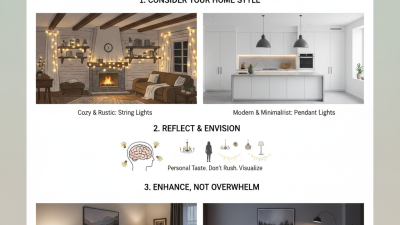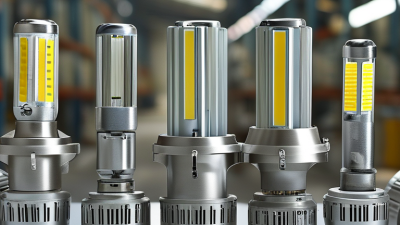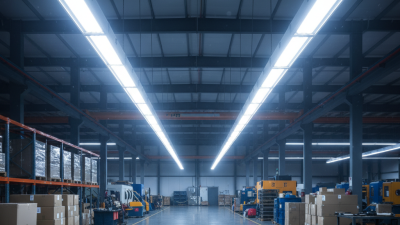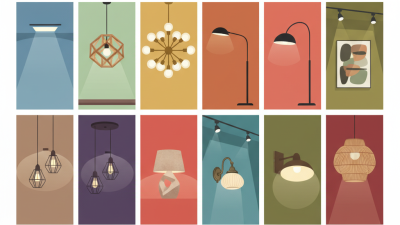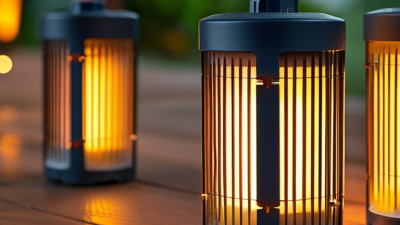


Choosing the 2026 Best Decoration Lights for Global Buyers requires more than following fashion. Buyers need beauty, safety, performance, and dependable supply.
Randall Whitehead, an architectural lighting designer and author, has observed, “Good lighting is not about the fixtures; it is about the effect.” That principle remains practical. A warm pendant above a dining table can create intimacy. A string of outdoor lights can transform a plain balcony after sunset. Yet attractive images do not guarantee a reliable product.
This guide examines Decoration Lights for homes, hotels, restaurants, retail spaces, and seasonal events. It considers brightness, color temperature, color rendering, energy use, materials, installation, and maintenance. Buyers should also check voltage compatibility, plug standards, IP ratings, certifications, packaging quality, and warranty support. These details matter across different markets.
Small details matter.
A 2700K bulb may feel welcoming indoors. A 4000K source may suit a commercial display better. Waterproof ratings must match real exposure, not just marketing claims. Metal finishes can look premium, but thin coatings may scratch during shipping. LED efficiency is valuable, although low consumption alone does not prove long-term quality.
There is no perfect universal choice. A light that performs well in a dry hotel lobby may fail outdoors in heavy rain. Supplier claims should be tested through samples, technical documents, and clear communication. Some comparisons remain imperfect because prices, freight costs, and local requirements change.
This introduction sets a practical direction for global buyers. The goal is not to promote the brightest product. It is to identify Decoration Lights that deliver atmosphere, reliability, and sensible value in real spaces.
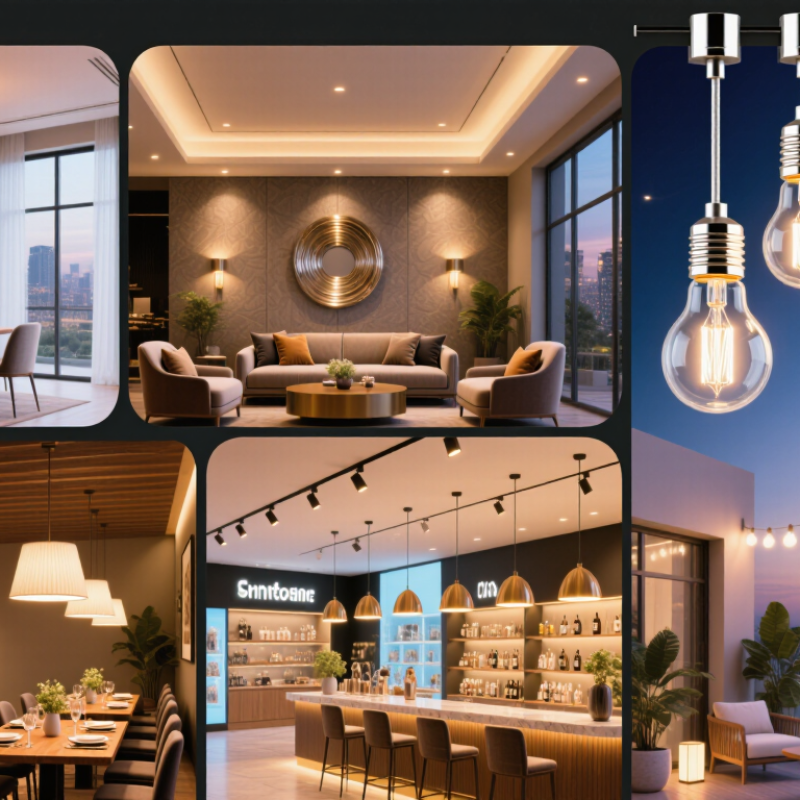
Decoration lights are lighting products designed to improve the atmosphere of homes, shops, gardens, events, and public spaces. They include string lights, curtain lights, lanterns, pathway lights, and programmable indoor fixtures. Unlike ordinary task lighting, they focus on mood, visual appeal, and spatial identity. A warm glow can make a small patio feel welcoming. A soft curtain of light can change a plain wall completely.
In 2026, decoration lights matter because buyers expect more than attractive shapes. They want lower energy use, safer materials, longer service life, and simple controls. LED technology remains practical for many projects because it produces less heat and supports efficient operation. Battery, solar, and low-voltage options can also help in areas with limited wiring access. However, performance depends on climate, installation quality, and maintenance. Weather resistance should be checked carefully, not assumed. Ratings and test documents matter.
Global buyers also need to consider local electrical requirements, plug types, recycling rules, and language on safety instructions. During product evaluations, I have seen attractive lights fail because connectors weakened after repeated outdoor exposure. That lesson is easy to overlook. Color accuracy, cable flexibility, timer settings, and spare components deserve equal attention. A reliable supplier should provide clear specifications, inspection records, and responsive technical support. Decoration lights are not only decorative objects. They influence comfort, safety, operating costs, and how people experience a space.
For global buyers, LED decoration lights are generally the most energy-efficient option. The chart compares representative luminous-efficacy values for common lighting technologies, measured in lumens per watt. Higher efficacy means more light output from the same amount of electricity.
Values are representative midpoints of commonly published technical ranges: incandescent 10–17 lm/W, halogen 15–25 lm/W, and LED 80–120 lm/W. Actual performance varies by product design, color temperature, driver, and operating conditions.
2026 Best Decoration Lights for Global Buyers?
Main Types of Decoration Lights for Different Global Markets
Decoration lights should match climate, architecture, and buying habits. No single type works everywhere. Warm-white string lights suit restaurants, balconies, and small retail spaces because they create a relaxed atmosphere. Curtain lights perform well in hotels and event venues, especially where tall glass walls need visual depth. They are easy to install, but cable management is often underestimated.
Festoon lights fit outdoor dining areas and public celebrations. Their larger bulbs remain visible across wide spaces. In windy or rainy regions, buyers should check sealing quality, mounting strength, and suitable IP protection. Solar-powered lights can reduce wiring work in sunny markets. However, cloudy seasons may shorten operating hours. This option needs realistic testing, not attractive packaging claims.
LED strips support shelves, signs, counters, and architectural edges. They are popular in markets that prefer modern interiors and adjustable colors. Controllers, heat dissipation, and replacement access deserve attention. Projection lights create strong seasonal effects, but they need a clear surface and careful brightness control. In some regions, supply voltage and plug formats vary, so importers should verify compatibility before shipment. Local electrical requirements also need confirmation.
A practical buying process starts with a sample order. Test brightness after several hours, inspect heat, and measure power use. My earlier assumption that brighter always means better was wrong. Excessive brightness can make a welcoming space feel harsh. Durable decoration depends on small details, including connectors, timers, packaging, and installation instructions.
| Main Light Type | Best-Fit Global Markets | Typical Applications | Common Product Configuration | Recommended IP Rating | Typical Color and Control Options | Key Buyer Considerations | Typical Compliance Focus |
|---|---|---|---|---|---|---|---|
| LED String Lights | North America, Europe, Australia, Middle East, Southeast Asia | Christmas trees, patios, balconies, restaurants, weddings, retail displays and festivals | Low-voltage LED strings, usually 5–20 m per set; connectable versions are widely used for commercial decoration | IP20 indoorIP44–IP65 outdoor | Warm white, cool white, multicolor; steady, flashing, timer, remote-control or app-control options | Check LED spacing, connector design, adapter input range, replaceability, wire color and seasonal packaging | Electrical safety, EMC, adapter safety and market-specific plug requirements |
| Fairy Lights | Europe, North America, Japan, South Korea and gift-oriented retail markets | Bedrooms, tables, glass jars, event centerpieces, gift packaging, hospitality interiors and DIY projects | Fine copper or silver wire with miniature LEDs; battery, USB or low-voltage adapter powered | IP20 indoorIP44 outdoor sheltered | Warm white is common; also available in cool white, RGB, twinkle and remote-controlled versions | Evaluate battery compartment safety, wire durability, heat generation, timer function and child-accessible parts | Battery-product safety, low-voltage safety and applicable EMC requirements |
| Curtain Lights | Europe, North America, hotels, event venues and online home-decor markets | Windows, backdrops, wedding stages, photo walls, bedrooms, shopfronts and hospitality spaces | Vertical light drops connected to a horizontal header cable; common widths range from approximately 2–3 m | IP20 indoorIP44 outdoor sheltered | Warm white, cool white, multicolor; cascading, wave, twinkle and timer modes | Confirm drop length, hanging method, cable spacing, power distribution and whether sections can be connected | Electrical safety, EMC and ingress protection claims supported by test documentation |
| Icicle Lights | North America, Europe, the United Kingdom and cold-season holiday markets | Rooflines, eaves, fences, balconies, retail façades and winter festival installations | Horizontal cable with drops of varied lengths; commercial models may use connectable sections | IP44 minimum for sheltered outdoor useIP65 for exposed areas | Warm white, cool white and multicolor; static, flashing and programmable patterns | Prioritize weather sealing, UV-resistant cable, strain relief, snow or wind tolerance and end-to-end connectivity | Outdoor electrical safety, ingress protection, EMC and regional plug or transformer requirements |
| Net Lights | North America, Europe, Australia and commercial landscaping markets | Hedges, shrubs, trees, railings, walls, fences, event structures and seasonal landscaping | Grid-shaped LED network; common panels are approximately 1.5–3 m wide and 1.5–2 m high | IP44–IP65 outdoor | Warm white, cool white, multicolor, timer, dimming and synchronized effects | Check mesh dimensions, installation coverage, connector layout, power loading and ease of removal after events | Outdoor safety, ingress protection, EMC and energy-efficiency information where required |
| LED Rope Lights | Construction, hospitality, retail, landscaping and architectural markets worldwide | Stair edges, cabinets, façades, pathways, signage outlines, bars, restaurants and exhibition booths | Flexible LED strip enclosed in a round or flat protective jacket; supplied in reels or cuttable sections | IP20 indoorIP65–IP68 outdoor or wet areas | Single-color, tunable white, RGB or RGBW; dimming and digital pixel control available | Confirm cutting intervals, minimum bend radius, heat dissipation, connector sealing and mounting accessories | Low-voltage safety, EMC, thermal performance and declared IP rating |
| LED Neon Flex | North America, Europe, the Middle East and premium commercial interiors | Store signage, hospitality interiors, architectural outlines, gaming rooms, exhibitions and façades | Uniformly diffused flexible LED tube, commonly powered through a low-voltage driver | IP20 indoorIP65 outdoor | Single-color, tunable white, RGB and RGBW; dimming or programmable control options | Review light uniformity, profile size, bending direction, end-cap sealing, driver capacity and mounting clips | Driver safety, EMC, thermal management, photobiological safety and ingress protection |
| Solar Decorative Lights | Australia, Southern Europe, North America, Africa, South Asia and off-grid locations | Gardens, pathways, patios, fences, balconies, outdoor events and low-maintenance landscaping | LED light set with photovoltaic panel, rechargeable battery, controller and dusk-to-dawn operation | IP44–IP65 outdoor | Warm white, cool white and multicolor; steady, flashing, sensor and timer modes | Compare panel efficiency, battery capacity, winter performance, charging time, autonomy and regional sunlight conditions | Battery safety, charger or controller safety, EMC and outdoor ingress protection |
| Projection and Laser-Effect Lights | North America, Europe, holiday retail, event production and entertainment venues | Building façades, seasonal events, parties, retail windows and temporary outdoor displays | Projector housing with interchangeable patterns, rotating effects or LED-based image projection | IP20 indoorIP44–IP65 outdoor models | Static patterns, motion effects, timers, remote control and music synchronization | For laser products, verify laser class, beam safety, aiming controls, installation height and local restrictions | Optical radiation safety, electrical safety, EMC and outdoor weather protection |
| Festoon and Bulb String Lights | North America, Europe, Australia, restaurants, resorts and event-rental markets | Outdoor dining areas, cafés, weddings, festivals, pergolas, gardens and market stalls | Heavy-duty cable with spaced sockets or integrated LED bulbs; connectable commercial systems are common | IP44–IP65 outdoor | Warm white, neutral white, dimmable and selectable bulb shapes or filament-style effects | Check socket sealing, cable gauge, suspension support, bulb replacement and maximum connectable length | Electrical safety, outdoor-use rating, socket protection, EMC and regional voltage compatibility |
| Pathway and Stake Lights | North America, Europe, Australia and residential landscaping markets | Driveways, walkways, gardens, hotels, parks and outdoor event routes | Ground stake with integrated LED head; available in mains-powered, low-voltage and solar versions | IP44–IP65 outdoor | Warm white, cool white, color-changing, dusk-to-dawn and motion-sensor options | Assess light distribution, stake strength, cable burial requirements, battery life and glare control | Outdoor electrical safety, ingress protection, mechanical stability and battery safety where applicable |
For global buyers, decoration lights should be compared by performance, safety, and service life, not appearance alone. The U.S. Department of Energy reports that modern LED packages can exceed 200 lumens per watt in laboratory conditions, while finished products usually deliver less. Ask suppliers for tested efficacy, wattage, lumen output, and rated operating hours. A bright display is not automatically a good display.
Color quality changes the buying experience. Check the color rendering index, correlated color temperature, dimming range, and flicker performance. Warm white around 2700–3000K suits hospitality spaces, while cooler light can support retail displays. ENERGY STAR data indicates that qualified LED holiday light strings use about 80% less energy and last far longer than incandescent alternatives. However, advertised savings can weaken when controllers, transformers, or dense layouts are added.
Outdoor projects need an appropriate IP rating, UV-resistant insulation, secure connectors, and stable performance across local temperatures. Confirm input voltage, plug configuration, control protocol, and replacement-part availability before ordering. IEC 60598-based testing can provide useful evidence, but certificates should match the exact model, not only a product family. I would also request a sample batch. Color shifts, loose seals, and awkward installation often appear only after handling. That small test may prevent a costly shipment mistake.
2026 Best Decoration Lights for Global Buyers?
Energy Efficiency, Smart Controls, and Material Innovations
As a sourcing adviser, I examine decorative lights under real operating conditions. In 2026, efficient LED systems remain the practical choice for homes, hotels, and retail spaces. Look for low wattage, stable brightness, and replaceable power components. A warm 2700K setting can create comfort without excessive glare. Check voltage compatibility before ordering internationally. Small savings become significant.
Smart controls now extend beyond simple phone switching. Timers can reduce overnight energy use, while daylight sensors adjust brightness near windows. Motion detection works well in corridors and temporary displays. Choose systems with clear privacy settings and secure software updates. Interoperability also matters when buyers manage several lighting systems. Fancy controls are not always useful.
Material choices deserve equal attention. Recycled aluminum can improve heat management and support longer service life. Durable polycarbonate shades resist impact better than thin acrylic in busy venues. Some manufacturers use bio-based plastics, but their environmental claims need verification. Ask for recycled-content evidence, safety testing, and end-of-life guidance. Check ingress protection ratings for outdoor installations. Do not assume waterproof means stormproof.
I have seen buyers focus on appearance and overlook replacement access. That mistake increases maintenance costs. Modular designs usually simplify repairs, although they may look less seamless. Energy labels and regional compliance documents should be reviewed before shipment. One weakness remains: smart lighting can become outdated quickly. A simple manual override is still worth keeping.
2026 Best Decoration Lights for Global Buyers?
International buyers should assess decoration lights as electrical systems, not seasonal ornaments. The International Energy Agency reports that lighting uses about 15% of global electricity. Efficient LED systems can reduce demand substantially, but only when drivers, wiring, and controls match the installation. The U.S. Department of Energy reports that LEDs use at least 75% less energy than incandescent lamps and can last up to 25 times longer. These figures are useful, not absolute. Poor ventilation, unstable voltage, and overloaded adapters shorten service life.
Installation details deserve equal attention. Confirm the destination voltage, frequency, plug format, cable length, and mounting surface before ordering. Outdoor products need an appropriate IP rating under IEC 60529. IP65 may protect against water jets, but it does not guarantee safe underwater use. Follow IEC 60598 requirements for luminaires and verify driver documentation. Keep connectors above standing water. Use strain relief at every cable entry. Small omissions create large risks.
Compliance evidence should travel with the shipment. Ask for test reports, declarations, material records, and traceable production details. Requirements may involve electrical safety, electromagnetic compatibility, chemical restrictions, and recycling rules. They differ by market. A familiar conformity mark is not enough. Customs may also request accurate product descriptions and tariff information. One weakness in many purchasing plans is assuming factory testing equals site safety. It does not. Installation quality remains the unfinished part.