Top Advantages of Tri-Proof Lights for Your Lighting Needs?
In the evolving world of lighting solutions, Tri-Proof Lights stand out for their durability and versatility. John Smith, a lighting expert with over a decade of experience, says, “Tri-Proof Lights are essential for environments that demand reliability.” These lights are designed to withstand harsh conditions, making them ideal for industrial and commercial spaces.
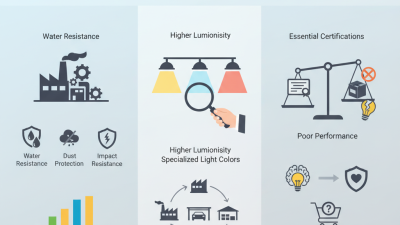
The advantages of Tri-Proof Lights extend beyond mere functionality. They are resistant to water, dust, and impact, ensuring longevity. Many businesses are turning to these lights to cut down on maintenance costs. However, choosing the right type and installation can still be a challenge.
While the benefits are clear, some users overlook important installation factors. Improper placement can diminish the lights' effectiveness. It’s crucial to assess the environment carefully and seek expert advice when needed. Embracing Tri-Proof Lights can transform your lighting landscape, but a thoughtful approach is vital for optimal results.
Understanding Tri-Proof Lights: Definition and Key Features
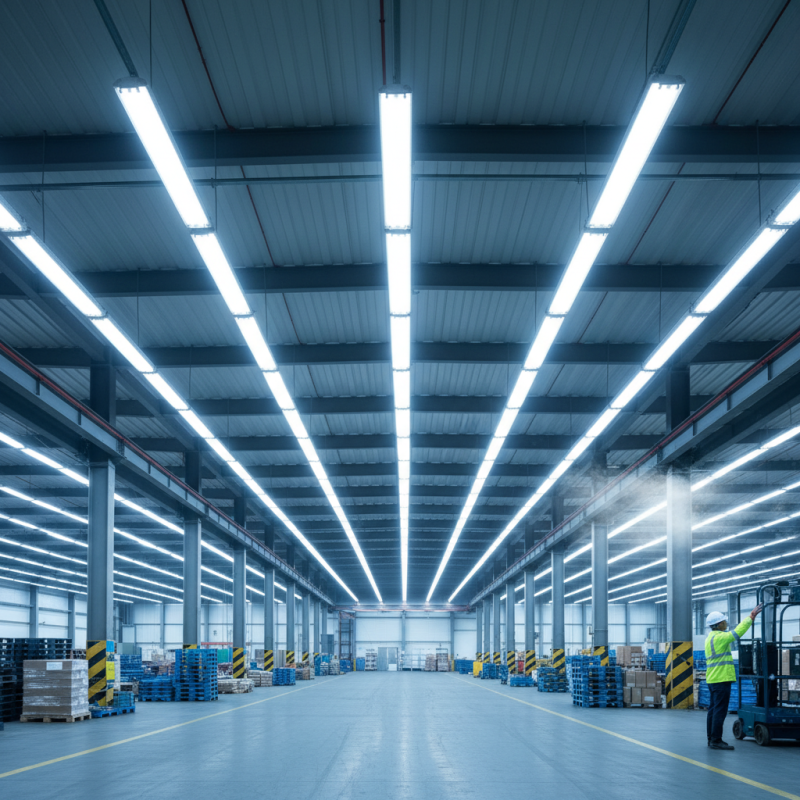
Tri-proof lights are versatile lighting solutions designed to withstand harsh environments. They are known for their resistance to water, dust, and impact. This makes them ideal for warehouses, factories, and outdoor areas. The robust construction ensures longevity and reliability, reducing the need for frequent replacements.
One key feature of tri-proof lights is their energy efficiency. These lights often use LED technology, which consumes less power compared to traditional lighting. They provide bright illumination while lowering electricity costs. However, the initial investment may be higher. Still, the long-term savings can make them worthwhile. Choosing the right tri-proof light requires understanding the specific requirements of your environment.
Another aspect to consider is the installation process. Some tri-proof lights are easy to install, requiring minimal tools. However, others may need professional assistance. Proper installation is crucial to ensure optimal performance. It's important to weigh the benefits against potential challenges. Tri-proof lights are not a one-size-fits-all solution, and careful thought should be given before making a decision.
Top Advantages of Tri-Proof Lights for Your Lighting Needs
Durability and Longevity: Why Tri-Proof Lights Outlast Traditional Fixtures
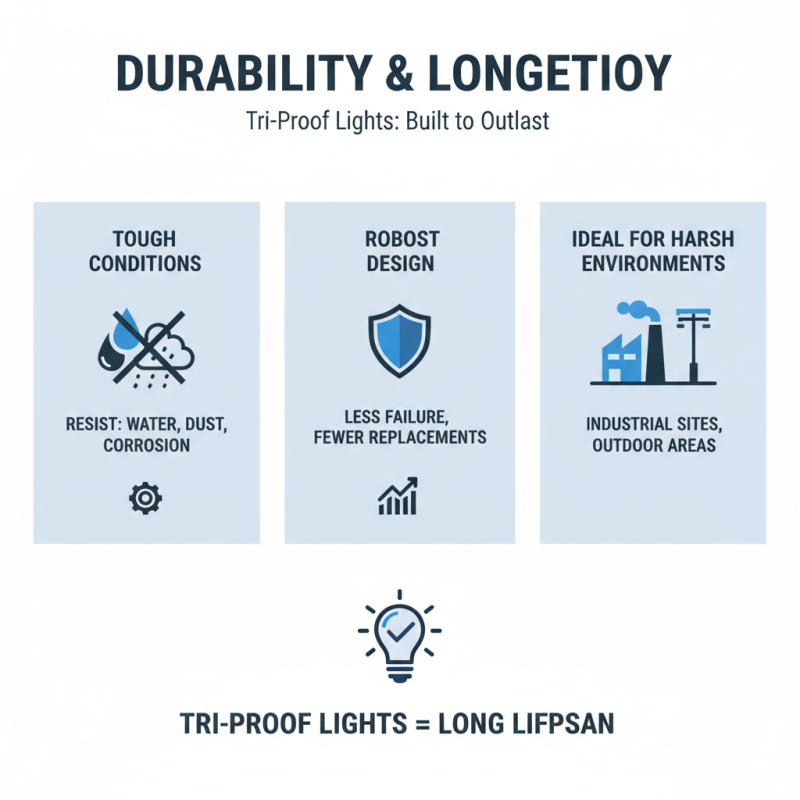
Tri-proof lights are designed to withstand tough conditions. Their durability sets them apart from traditional lighting fixtures. These lights resist water, dust, and corrosion. This means they are perfect for harsh environments, like industrial sites and outdoor areas. Their robust design ensures they won’t easily fail or need frequent replacements.
Longevity is another key advantage. Tri-proof lights typically last longer than conventional bulbs. Many can last over 50,000 hours, significantly reducing maintenance costs. This extended lifespan often leads to fewer disruptions in workspaces. However, it's important to consider that even the best products can fail unexpectedly. Regular inspections are necessary to ensure optimal performance.
In terms of energy efficiency, tri-proof lights also stand out. They often consume less power while providing bright illumination. This feature appeals to businesses aiming to lower energy bills. Yet, one must be cautious of the initial investment cost. While these lights save money over time, the upfront expense can be significant. Careful planning is essential for maximizing their benefits.
Energy Efficiency: Cost Savings with Tri-Proof Lighting Solutions
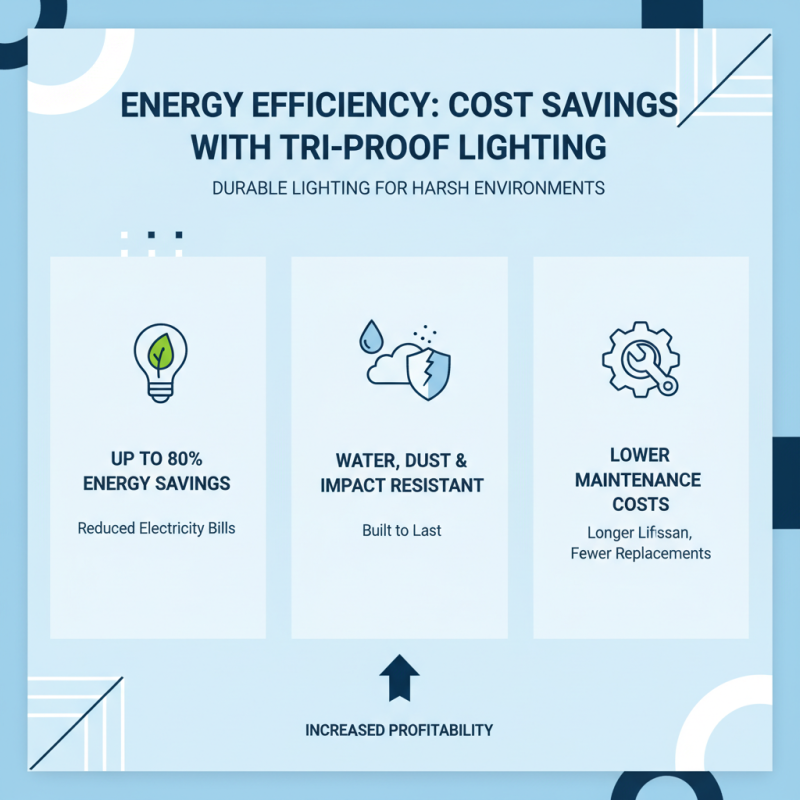
Tri-proof lights have become increasingly popular due to their energy efficiency. These lights are specifically designed to withstand harsh environments. They are resistant to water, dust, and impacts. This durability not only enhances their lifespan but also decreases the need for frequent replacements.
Using tri-proof lighting solutions leads to significant cost savings. They consume less energy compared to traditional lighting, leading to lower electricity bills. Over time, these savings add up. Facilities can reroute those funds into other operational needs. Businesses looking for sustainable options are finding tri-proof lights to be an increasingly viable choice.
Tips: When selecting tri-proof lights, consider your specific environment. Dimly lit areas may benefit from higher lumen output. Ensure proper installation to maximize efficiency. Regular cleaning helps maintain performance, as dust accumulation can hinder light output.
Versatility: The Diverse Applications of Tri-Proof Lights in Various Environments
Tri-proof lights are becoming increasingly popular across various environments. Their versatility makes them an ideal choice for different applications. For instance, they are often used in warehouses, factories, and outdoor settings. These lights can withstand dust, moisture, and extreme temperatures, making them reliable in harsh conditions. This durability ensures they provide consistent lighting in places that may otherwise pose a challenge.
In commercial kitchens, tri-proof lights are essential. They not only provide bright illumination but also resist water and steam. This is crucial for safety and functionality. Similarly, in parking garages, the robust design ensures that the lights work well despite varying weather conditions. However, selecting the right type can be challenging given the wide range of options available.
Some might overlook the installation process, thinking it is straightforward. In reality, it requires careful planning to maximize their effectiveness. The placement and positioning of these lights can significantly affect their performance. Finding the right balance between coverage and brightness can lead to unintended areas of darkness. Understanding these nuances is necessary for optimal results.
Installation and Maintenance: Simplifying the Use of Tri-Proof Lights
Tri-proof lights are increasingly popular for various lighting needs. Their ability to resist water, dust, and impact makes them ideal for challenging environments. Installation can be straightforward, but it's crucial to consider the settings. Ensuring proper ceiling height and mounting location is essential for optimal performance. Sometimes, users may overlook these factors, leading to ineffective illumination.
Maintenance of tri-proof lights is another key aspect. Regular cleaning is necessary to keep them functioning well, especially in dusty areas. Users often forget this simple task, which can diminish light output over time. It’s also vital to check for any signs of wear or damage. Neglecting upkeep can lead to unforeseen outages, causing frustration and additional costs.
Tri-proof lights are designed for easy handling. They typically come with user-friendly instructions. However, complexities can arise in installation if not followed correctly. Understanding electrical connections is important. Many might struggle with this step, leading to improper setups. Seeking help from professionals can be a wise choice in such cases.



 Email
Email Whatsapp
 WeChat