What is the Best Ceiling LED Lights for Your Home?
Choosing the best ceiling LED lights for your home involves understanding both functionality and aesthetics. Ceiling LED lights are becoming the preferred choice due to their energy efficiency and longevity. According to the U.S. Department of Energy, LED lights use at least 75% less energy than traditional incandescent bulbs, leading to significant savings on energy bills.
The market for ceiling LED lights is booming. A recent report estimates the global LED lighting market will reach $150 billion by 2025. This growth indicates that more homeowners are recognizing the benefits of these versatile lights, from reducing energy consumption to enhancing the overall ambiance of a room. When making a choice, consider factors like brightness, color temperature, and design. These elements can greatly impact your home's atmosphere.
Yet, it's essential to reflect on your actual needs. Choosing the wrong ceiling LED lights can diminish your space's potential. Poor quality lights may flicker or alter colors, ruining your carefully curated decor. Think about how each option aligns with your lifestyle and aesthetic preferences. This thoughtful approach can lead to a more satisfying selection.
Factors to Consider When Choosing Ceiling LED Lights for Home
When choosing ceiling LED lights for your home, there are several important factors to consider.
The brightness of the lights plays a key role. Think about the lumens; higher lumens mean brighter light.
A good range for living spaces is around 600 to 800 lumens. Don’t rush this decision.
Different rooms require different brightness. Kitchens might need more light compared to cozy bedrooms.
Another factor is the color temperature. This affects the mood of your space. Cooler tones provide energy, while warmer tones create comfort.
Consider how you want each room to feel. Also, think about the style of the fixtures. Your ceiling lights should blend with your home decor.
A sleek, modern design may not suit a rustic space. This mismatch can be unappealing.
Energy efficiency is essential. Look for features that lower your energy bills. Dimming options can also create flexibility in lighting.
Yet, not all dimmers pair well with LED bulbs. Test them to avoid frustration later. Lastly, think about installation.
Some fixtures require professional help, while others are DIY-friendly. Weigh the costs and your comfort level with tools.
This step is often overlooked but can save you time and money.
Types of Ceiling LED Lights Suitable for Different Rooms
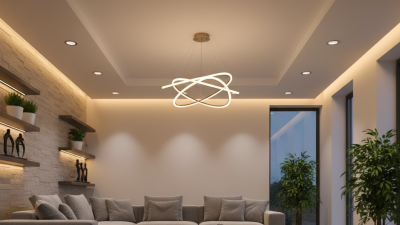
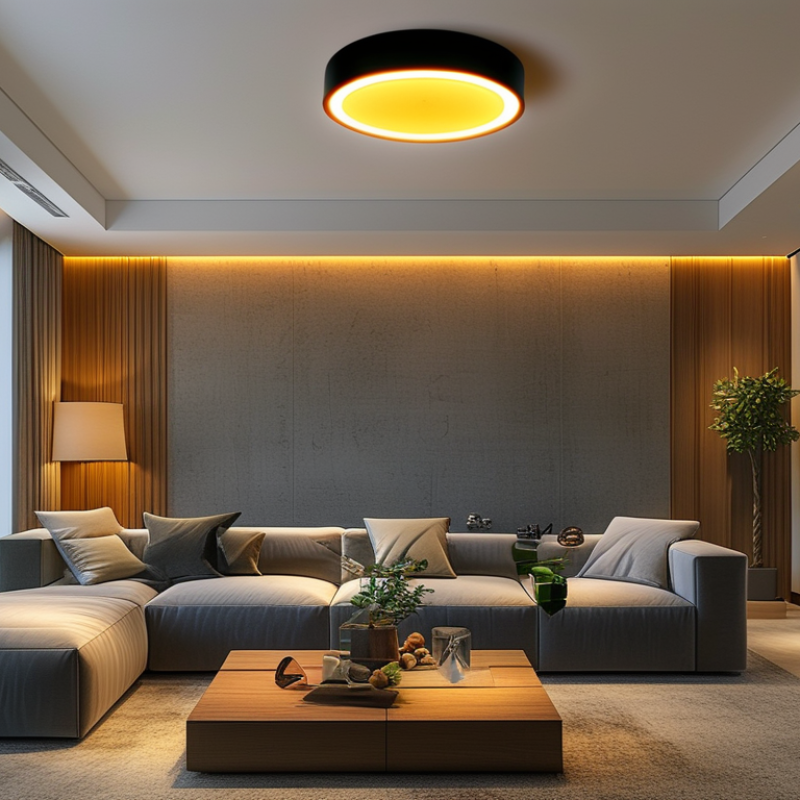
Choosing the right ceiling LED lights can significantly enhance your home's ambiance. Different types serve various room purposes. For living areas, consider warm white lights. They create a cozy atmosphere. Use flush-mount fixtures or pendant lights for style and functionality.
In kitchens, bright, cool white lights are ideal. They illuminate workspaces effectively. Recessed lights or adjustable track lighting can be great options. Ensure the lighting covers all cooking areas.
For bedrooms, soft, dimmable options promote relaxation. Look for ceiling fixtures with warm tones. Using a combination of ambient and task lighting can add depth to the space.
Tips: Always think about your room's mood. Lighting should match the activity. Test different brightness levels to find what works best. Don't forget to consider energy efficiency. Selecting high-quality LED lights saves money and reduces environmental impact. Remember, not all lights fit every mood or activity. Try different styles to see what resonates with you.
What is the Best Ceiling LED Lights for Your Home? - Types of Ceiling LED Lights Suitable for Different Rooms
| Room Type |
LED Light Type |
Brightness (Lumens) |
Color Temperature (Kelvin) |
Average Lifespan (Hours) |
| Living Room |
Recessed LED Lights |
800 - 1200 |
3000K - 4000K |
25,000 |
| Kitchen |
Flush Mount LED Lights |
1000 - 1600 |
4000K - 5000K |
25,000 |
| Bedroom |
Dimmable LED Ceiling Panels |
600 - 1000 |
2700K - 3000K |
30,000 |
| Bathroom |
Waterproof LED Ceiling Lights |
800 - 1200 |
3000K - 4000K |
25,000 |
| Dining Room |
Chandelier LED Lights |
800 - 1600 |
3000K - 3500K |
20,000 |
Energy Efficiency and Lifespan of Ceiling LED Lights
When choosing ceiling LED lights for your home, considering energy efficiency and lifespan is crucial. LED lights stand out in these areas, offering up to 80% energy savings compared to traditional bulbs. They convert most energy into light, minimizing waste. A high-quality LED can last over 25,000 hours. This longevity translates to lower maintenance costs, making them a smart choice for homeowners looking to save.
Tips: Opt for dimmable LED options to adjust brightness. This flexibility enhances comfort and can reduce energy costs even further. Also, consider the color temperature that suits your space. Warmer tones create a cozy ambiance, while cooler tones are ideal for work areas.
Some users may find that the initial cost of LED lighting is higher. This can be a deterrent. However, the long-term savings often outweigh this upfront investment. A little research is necessary to find the best options. Read user reviews and check for reliable certifications. Not every LED light is created equal, and understanding these differences is essential for making a confident purchase.
Features and Technologies in Modern Ceiling LED Lighting
Modern ceiling LED lighting incorporates advanced features and technologies that enhance both functionality and aesthetics. One key aspect is energy efficiency. According to the U.S. Department of Energy, LED lights consume up to 75% less energy than traditional incandescent bulbs. This substantial reduction not only lowers electricity bills but also extends the lifespan of the lights, with many LED fixtures lasting over 25,000 hours. This is a significant consideration for homeowners looking to reduce their carbon footprint while saving on costs.
Another notable feature is the capability for smart technology integration. Many contemporary LED ceiling lights can be programmed and controlled via smartphones or voice assistants. A report from Markets and Markets projects the smart lighting market will reach $82.4 billion by 2027. This trend emphasizes user-friendly designs that cater to modern lifestyles. Dimming options and color temperature adjustments further allow homeowners to customize their lighting environments. However, with such advancements, potential challenges arise. Not all users may find smart technology intuitive, which can lead to frustration.
Lastly, the aesthetic variety available in ceiling LED lighting is impressive. From minimalist designs to ornate fixtures, there’s something for every home decor style. Yet, the abundance of options can be overwhelming. Choosing the right style and features often depends on individual preferences and the specific needs of a space. Balancing aesthetics with practicality is crucial but not always straightforward.
Installation Tips for Ceiling LED Lights in Your Home
When installing ceiling LED lights, proper placement and techniques are crucial. Many homeowners overlook that the correct height affects light dispersion. According to the U.S. Department of Energy, well-placed lights can reduce energy costs by up to 30%. Consider using a measuring tape to ensure a consistent height across all fixtures.
It’s important to choose fixtures that reflect your room's purpose. For example, dimmable lights in a living area create a cozy atmosphere. Experts recommend using warm light for bedrooms and cooler tones for kitchens. Pay attention to the wattage. Lights with higher lumens provide better brightness without consuming excessive energy.
A few installation tips can enhance the process. Always switch off power before starting. Check for studs and wiring in the ceiling before drilling. This prevents accidents and ensures a clean finish. Review the specific fixture's instructions. Not all installations are identical. Mistakes can lead to uneven lighting and discomfort. Choosing the right tools helps streamline your work, but it’s okay to ask for help if needed.



 Email
Email Whatsapp
 WeChat