2026 Best Ceiling Led Lights for Modern Home Illumination?
In recent years, the lighting industry has seen a significant shift towards energy-efficient solutions. Ceiling LED lights have emerged as a leading choice among homeowners. According to the U.S. Department of Energy, LED lights use up to 75% less energy than traditional incandescent bulbs. This data underlines why modern ceilings often highlight LEDs for illumination.
The design landscape for ceiling LED lights is becoming increasingly diverse. From sleek designs to eye-catching fixtures, options abound. Consumers are drawn to these lights not just for efficiency but also for their aesthetic appeal. However, selecting the right ceiling LED lights can be challenging. Not every product delivers the same quality of light or durability. It's crucial to consider factors such as lumen output and color temperature.
As we approach 2026, we will explore the best ceiling LED lights that combine form and function. We will address common pitfalls in the selection process, ensuring that homeowners make informed decisions. Investing in quality lighting can transform spaces, but not all products are created equal. Understanding these nuances can lead to better experiences in modern home illumination.
Types of Ceiling LED Lights Ideal for Modern Homes
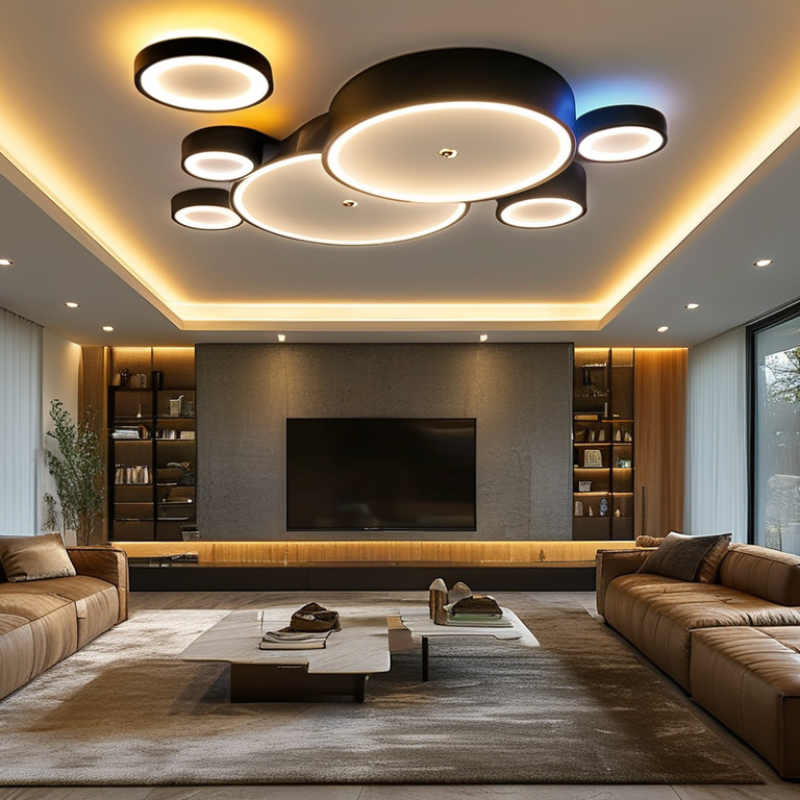
When choosing ceiling LED lights for a modern home, several types can enhance both aesthetics and functionality. Flush-mount lights offer a sleek profile, perfect for low ceilings. They provide ample illumination without protruding into the available space. Alternatively, recessed lighting integrates seamlessly into the ceiling, creating a clean look and highlighting specific areas. Consider pendant lights as an artistic choice; they can serve as a focal point in dining or living areas.
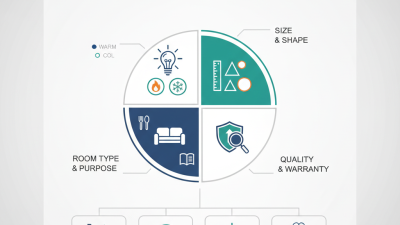
Tips: When selecting lights, think about the color temperature. Warmer tones create a cozy atmosphere, while cooler hues promote alertness. Test out different fixtures in your space before making a final decision.
Another option is track lighting, which allows for adjustable heads to direct light where needed. This versatility makes it ideal for both task and ambient lighting. Moreover, combining types can create layers of light, enhancing depth in your interiors. Experimenting with dimmers can adjust brightness levels easily.
Tips: Always consider the room's purpose. Kitchens often benefit from brighter, cooler lights, while bedrooms may need soft, warm illumination for relaxation. Don’t overlook energy efficiency. Opt for fixtures that minimize energy consumption while maximizing output.
Benefits of Using LED Lights for Home Illumination
LED lights have revolutionized home illumination with their numerous benefits.
They offer energy efficiency, longevity, and superior lighting quality compared to traditional bulbs.
This makes them an excellent choice for modern homes. With a lifespan of up to 25,000 hours,
LED lights reduce the frequency of replacements. This cost-saving aspect appeals to many homeowners.
When selecting LED lights, consider the color temperature.
Warm white lights create a cozy atmosphere, while cool white lights promote alertness.
Think about your living spaces. Kitchens may benefit from brighter lights, whereas bedrooms feel peaceful with softer tones.
It’s crucial to balance functionality and ambiance.
Tips: Check for dimmable options to adjust brightness based on your needs.
Also, inspect the lumens rating to ensure you achieve the desired brightness.
Remember, not all LED lights are created equal. Some may flicker or buzz, requiring careful selection.
Explore your options and make informed decisions for a well-lit home.
Key Features to Consider When Choosing Ceiling Lights
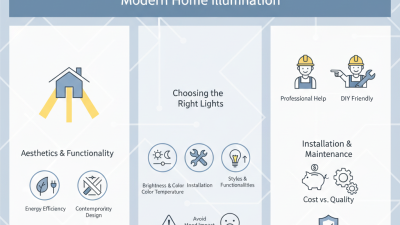
When choosing ceiling lights for modern homes, several key features stand out. Brightness is crucial. A well-lit room enhances visibility and comfort. Consider the lumen output when evaluating options. Adjustable brightness can cater to different moods and activities. Dimming functions can create a cozy ambience for evenings.
Color temperature also impacts the feel of a space. Warmer tones create a relaxing atmosphere. Cooler tones can energize a room, perfect for workspaces. Think about functionality, too. Some lights come with smart capabilities. These allow for remote control and integration with home systems.
Design shouldn’t be overlooked. The aesthetic should match your home’s interior. Chandeliers offer elegance, while flush mounts provide a minimalist look. Not all lights are easy to install, so check the installation requirements. Pay attention to maintenance as well. Some designs are harder to clean. Making thoughtful choices can elevate your home’s overall vibe.
2026 Best Ceiling LED Lights for Modern Home Illumination
This chart illustrates the key features of modern ceiling LED lights that are essential for home illumination in 2026. The data represents average values for lumens output, energy efficiency, lifespan, and color temperature, highlighting the performance metrics that consumers should consider when selecting ceiling lights.
Top Trends in Ceiling LED Lighting for 2026
In 2026, ceiling LED lights continue to evolve with modern design trends. Homeowners seek innovative lighting solutions that blend aesthetics and functionality. Minimalist designs remain popular, using clean lines and soft, flattering light. Dim-to-warm features are also gaining traction, allowing users to adjust the warmth of their lights based on mood and time of day.
Choosing the right ceiling LED lights can enhance any room's ambiance. Consider ceiling-mounted fixtures with adjustable brightness. They offer versatility. Look for options that integrate smart technology. Smart LED lights can be controlled via an app, allowing for effortless customization. However, it’s essential to ensure compatibility with existing home systems. Testing is key before finalizing a choice.
Pay attention to color temperature. Warmer lights create a cozy atmosphere, while cooler tones enhance focus. Experimenting with different shades can lead to surprising results. Remember that quality matters. Not all LED lights are created equal, and inferior options may flicker or produce a harsh glow. Aim for reliability and durability in your choices to maximize long-term satisfaction.
Maintenance Tips for Long-lasting LED Ceiling Lights
Maintaining LED ceiling lights is crucial for longevity and efficiency. According to a recent industry report, proper care can extend their lifespan up to 25,000 hours. Regular cleaning is essential. Dust and grime can accumulate, reducing brightness and affecting performance. Use a soft cloth and mild detergent to avoid scratching the surface.
The placement of LED lights also impacts their durability. Ensure they are installed in well-ventilated areas. Overheating can significantly shorten their lifespan. Studies show that ambient temperature can influence LED efficiency, causing flickering and color shifts. It may be worth considering a timer or dimmer switch to regulate usage.
Monitoring the power supply is another vital aspect of maintenance. Fluctuating voltage can damage the circuitry in LED lights. Installing surge protectors can help to mitigate this risk. While many LED products are designed to last, proactive maintenance is key to maximizing their performance and energy efficiency. The small effort invested today can result in significant savings tomorrow.



 Email
Email Whatsapp
 WeChat