Best Moisture-Proof Lamp Options for 2026 Buyers?
In the world of lighting, selecting the right Moisture-Proof Lamp is essential for various environments. As James Carter, a leading expert in lighting design, states, “The right lighting can transform a space while protecting it from moisture damage.” This emphasizes the importance of choosing quality lamps that can withstand humid conditions.
Many consumers are unaware of the specific features to look for in Moisture-Proof Lamps. Understanding IP ratings and material durability can prevent future problems. Some might assume all lights are created equal, but that's a misconception.
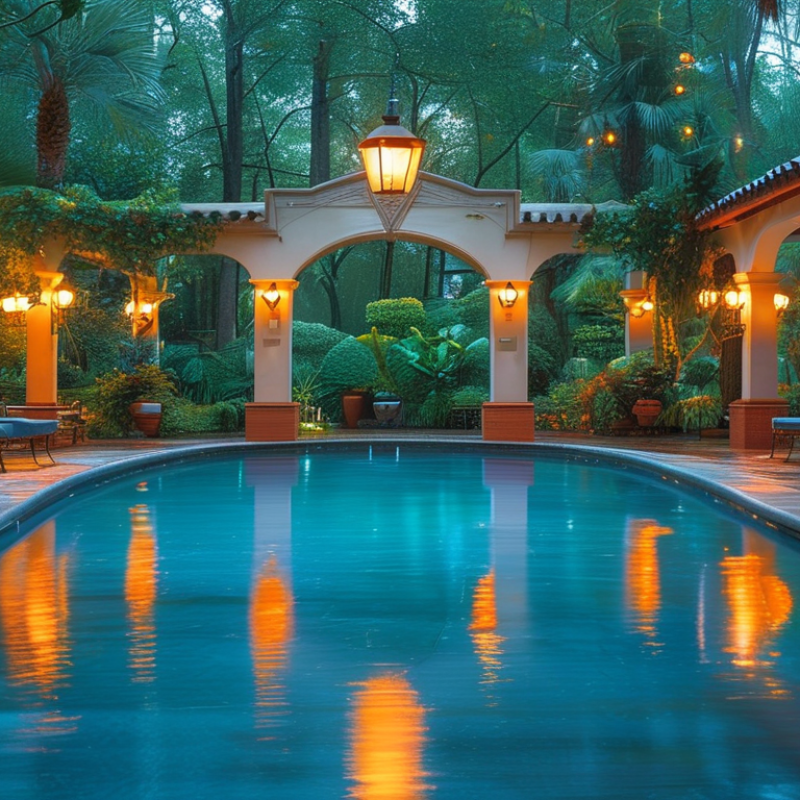
Choosing a Moisture-Proof Lamp involves evaluating usage. Whether for indoor pools or outdoor patios, the application dramatically impacts effectiveness. Investing in reliable options ensures longevity. However, not all moisture-proof solutions live up to expectations. Consumers must navigate various brands and claims. Making the right choice often requires research and actual product reviews, reflecting on unnecessary risks taken in past purchases.
Best Moisture-Proof Lamp Technologies for 2026: An Overview
When considering moisture-proof lamp technologies for 2026, various options emerge. Innovative designs focus on durable materials that resist corrosion. For instance, LED lamps with sealed circuits are ideal for humid environments. These designs prevent water damage and ensure longevity, which is crucial for outdoor settings or areas with high moisture.
Tips: Look for lamps that boast IP ratings. An IP rating indicates the level of protection against water and dust. Higher ratings mean better durability in wet conditions.
Sensing technology is also a key trend. Some moisture-proof lamps can automatically adjust brightness based on humidity levels. This enhances user experience while maximizing energy efficiency. However, these advanced features may lead to higher initial costs.
Tips: Assess your specific needs before investing in smart features. Understanding your living space can help determine necessity versus luxury. Finding a balance can prevent overspending while ensuring functional lighting.
Key Features to Consider in Moisture-Proof Lighting Solutions
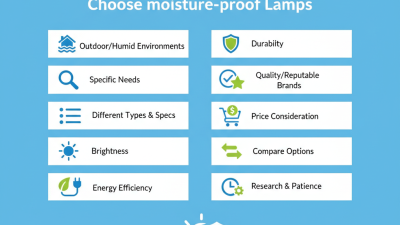
When selecting moisture-proof lighting, understanding key features is essential. Look for durability and IP ratings, which indicate resistance to water and dust. A higher IP rating means better protection against moisture. This is crucial for outdoor settings or humid environments.
Energy efficiency matters too. Consider LED options, as they consume less power and last longer. Their ability to function well in varying temperatures adds to their appeal. Ease of installation is another factor. Choose lights that allow quick setup and minimal maintenance. This makes it easier for any homeowner or facility manager.
Reflect on your specific needs before making a decision. Not all options will suit every environment. Think about placement and potential exposure to elements. Lighting solutions must balance aesthetic appeal with functional requirements. It’s important to evaluate these aspects, even if it takes time.
Industry Trends: Rising Demand for Waterproof Lighting in 2026
The demand for waterproof lighting is on the rise as we approach 2026. More buyers are seeking moisture-proof lamps for various settings.
Outdoor spaces, workshops, and wet areas require lighting that can withstand the elements. This trend highlights a growing awareness of enduring quality in consumer choices.
Recent studies show that consumers prioritize durability. They want lights that resist water and humidity. Many options are available, but not all meet expectations.
Some products can claim to be waterproof, yet fail in demanding conditions. It's crucial to assess real-world performance, especially in unpredictable weather.
Additionally, aesthetics cannot be overlooked. Buyers want visually appealing designs that complement their spaces. However, achieving both style and functionality can be challenging.
Some manufacturers may compromise on design for better moisture protection. This dual necessity creates a market where thoughtful choices are essential.
As moisture-proof lamps become essential, consumers must remain vigilant. Understanding the specifications and performance before purchase is key.
Relying on expert reviews and testing is advisable to make informed decisions.
Comparative Analysis: Performance Metrics of Leading Moisture-Proof Lamps
When choosing moisture-proof lamps, performance metrics are crucial. Look for key features like brightness, energy efficiency, and durability. These aspects determine how well a lamp can withstand damp environments. A high lumen output is important for clarity in dark conditions. However, not all lamps deliver consistent brightness over time.
Water resistance ratings also play a significant role. Many buyers may overlook this metric. A lamp’s IP rating indicates its ability to block moisture. Lamps with higher ratings are typically robust. These lamps might cost more upfront, but they often save money in the long run by lasting longer.
Consider user feedback when assessing reliability. Reviews can reveal common issues, such as flickering or bulb burnout. Some models may promise high performance but fail in real conditions. It’s essential to weigh personal experiences alongside technical specifications. Investing in well-reviewed options can ensure satisfaction.
Consumer Insights: What Buyers Prioritize in Moisture-Resistant Lighting
When shopping for moisture-resistant lighting, buyers focus on several key factors. Durability is paramount. Lights need to withstand humidity and dampness. Many consumers desire materials that offer robust protection against moisture. They also look for options that can handle temperature fluctuations without degrading.
Energy efficiency ranks high on buyers' lists. Consumers are becoming more eco-conscious. They want lights that save energy and reduce electricity bills. Additionally, ease of installation is another priority. A complicated setup can be a deterrent. Buyers appreciate products that come with clear instructions and minimal tools required.
Aesthetic appeal shouldn’t be overlooked. Attractive designs can enhance an indoor or outdoor space. Many consumers prefer versatile styles that fit various settings. However, a balance between form and function is critical. Buyers often reflect on whether a lamp can truly deliver on performance while looking good. This emphasizes the ever-evolving market where understanding consumer priorities remains essential.



 Email
Email Whatsapp
 WeChat