10 Best Tri-Proof Lights for Ultimate Durability and Efficiency?
Tri-Proof Lights have emerged as a vital component in various industries, including manufacturing and outdoor services. These lights are designed to withstand harsh conditions, offering superior durability, efficiency, and safety. According to a recent report from the Global Lighting Association, the market for Tri-Proof Lights is expected to grow by 25% over the next five years, driven by the increasing demand for reliable lighting solutions.
Expert in industrial lighting, Dr. Alex Thompson emphasizes the importance of Tri-Proof Lights: "They are essential for ensuring safety in environments that face extreme conditions." This insight highlights the need for robust lighting options that can resist moisture, dust, and impacts while maintaining energy efficiency.
However, selecting the right Tri-Proof Light can be challenging. The market is crowded, and quality can vary widely. Some products might not meet safety standards or provide the longevity advertised. Ensuring the right choice requires careful consideration and expertise, making informed decisions critical for operational success.
Introduction to Tri-Proof Lights and Their Importance
Tri-proof lights have become essential in various environments where durability and efficiency matter. These lights are designed to withstand moisture, dust, and impact. They are especially important in industries such as manufacturing, kitchens, and outdoor settings. According to a report by the International Energy Agency, lighting accounts for about 15% of the global electricity consumption. Efficient lighting solutions can significantly reduce energy costs.
The growing demand for tri-proof lights reflects an industry shift towards sustainable practices. Recent studies show that LED tri-proof lights can save up to 80% more energy compared to traditional fluorescent lights. Their lifespan typically exceeds 50,000 hours, which means less frequent replacements. However, not all tri-proof lights are created equal. Potential buyers should assess the IP rating, lumens, and materials used to ensure they meet specific needs.
Despite their advantages, there is a need for caution. In some cases, the market features products that do not meet advertised standards. Consumers should be vigilant and consider third-party certifications. This ensures that the lights they purchase deliver on durability and efficiency claims. Reliable information from trusted sources can help guide purchase decisions in this diverse market.
Durability and Efficiency of Tri-Proof Lights
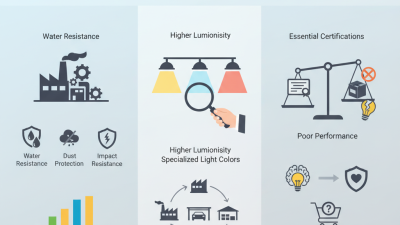
This chart illustrates the performance ratings of tri-proof lights based on key durability and efficiency factors, highlighting their critical features for robust applications.
Key Features of Durable Tri-Proof Lights to Consider
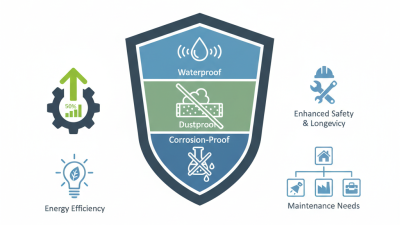
When selecting durable tri-proof lights, understanding key features is crucial. These lights withstand tough environments, making them ideal for various applications. Their design often includes resistance to dust, water, and impact. This means better longevity and decreased maintenance costs. Look for lights that meet or exceed industry standards for these ratings.
Another essential feature is energy efficiency. Smart design usually leads to lower energy consumption. Many tri-proof lights utilize LED technology. LEDs offer brighter illumination while consuming less power than traditional bulbs. Pay attention to the lumens rating; higher numbers indicate brighter output. Also, consider the color temperature. A cooler temperature can create a more productive atmosphere.
It's vital to assess installation options as well. Some models allow for easy mounting and versatility. Look for lights with different configurations to suit your space. Keep in mind that user experience may vary. Some individuals report challenges in installation or brightness levels. Research and read multiple reviews. This can offer insights into performance in real-world scenarios. Balancing durability with efficiency is key to making a wise choice.
Top 10 Tri-Proof Lights: Performance and Efficiency Ratings
When selecting tri-proof lights, durability and efficiency must be top considerations. These lights
excel in resisting harsh conditions. They are made to withstand water, dust, and impacts. This makes them ideal for a variety of
environments, from factories to outdoor settings.
Performance ratings play a critical role in evaluating these lights. Lumens provide insight into brightness levels. Higher lumens
mean more illumination. It's essential to find the right balance between energy consumption and light output. Different scenarios
demand different light intensities. For instance, high ceilings require more powerful options.
Material quality also impacts reliability. Tough housing materials help to prevent damage. Some might focus on affordability, missing
out on essential features. An adequate warranty is also a good indicator of a product's trustworthiness. User reviews can provide
additional insights into real-world performance. This feedback is invaluable when considering long-term investment in durability.
Comparative Analysis of Price and Value in Tri-Proof Lights
In the realm of lighting solutions, tri-proof lights stand out due to their unmatched durability and efficiency. A recent industry report indicates that the global market for tri-proof lights is poised to grow at a compound annual growth rate (CAGR) of 7.5% through 2027. This growth reflects increasing demand in harsh environments, such as factories and outdoor settings.
When evaluating price versus value, it’s crucial to consider lifespans and energy efficiency. Many tri-proof lights provide an average lifespan of 50,000 hours. This is significantly higher than traditional lighting options. The initial cost may be higher, but savings on replacement and energy bills soon justify the investment. Efficiency ratings show that some tri-proof models consume up to 80% less power than incandescent bulbs.
However, not all products deliver the same performance. Some budget models may lack essential features, leading to premature failure. It's vital to scrutinize independent reviews and reliability reports. Understanding specific use cases can help consumers make informed choices. Better performance often comes at a price, but a balance of features and longevity must guide purchasing decisions.
Maintenance Tips for Maximizing the Lifespan of Tri-Proof Lights
Tri-proof lights are designed to withstand harsh environments. To maximize their lifespan, regular maintenance is essential. Common issues include dust accumulation and moisture infiltration. A study by the Lighting Research Center shows that proper cleaning can improve light output by up to 30%.
Cleaning every few months enhances both performance and durability. Use a soft microfiber cloth to wipe off dust. Avoid abrasive materials that can scratch surfaces. Additionally, ensure seals are intact. This prevents moisture from compromising internal components.
Regular inspections are vital yet often overlooked. Check for signs of wear or damage, like flickering or dimming. According to industry reports, proactive maintenance can extend a light’s lifespan by an impressive 50%. Understanding these best practices contributes to performance and safety in workplaces.



 Email
Email Whatsapp
 WeChat