How to Choose the Best Ceiling Led Lights for Your Home
When it comes to home lighting, choosing the right Ceiling Led Lights can transform your space. These lights are known for their energy efficiency and modern designs. However, many homeowners face challenges in making the right selection. It is not just about brightness. You must consider size, style, and purpose. Each room in your home may have different lighting needs.
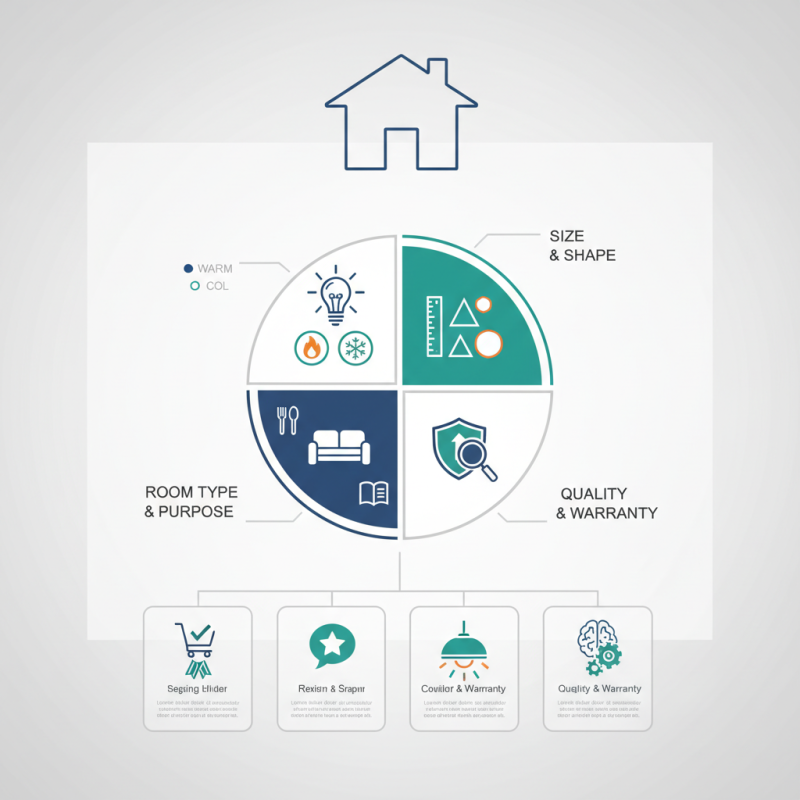
Perhaps you want bright lights for the kitchen but softer ones for the bedroom. The color temperature also matters. Do you prefer warm or cool illumination? These factors can significantly affect the atmosphere of a room. It is easy to get overwhelmed by the options available. Some homeowners may rush the decision, only to find their choices don't fit well.
Understanding these details helps make an informed decision. Researching brands and reading reviews adds credibility to your choice. Look for lights that are not only stylish but also have a good warranty. Quality matters as well. Ceiling Led Lights have the potential to enhance your home, but only if chosen wisely. Reflecting on your preferences and needs can lead to a more satisfying outcome.
Understanding the Different Types of Ceiling LED Lights Available
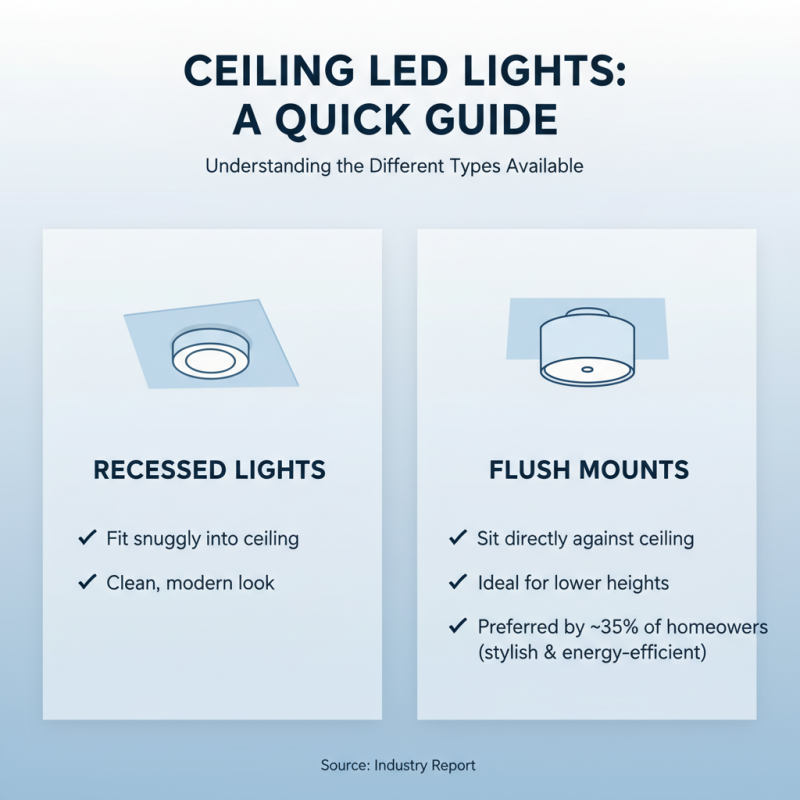
When choosing ceiling LED lights, understanding the various types is crucial. There are several options available, each with unique features. For instance, recessed lights fit snugly into the ceiling, providing a clean and modern look. Flush mounts, on the other hand, sit directly against the ceiling and are ideal for lower heights. According to a recent industry report, about 35% of homeowners prefer flush mounts for their stylish appearance and energy efficiency.
Another popular type is pendant lighting, which hangs from the ceiling. They often serve as statement pieces in dining areas or kitchens. A compelling statistic shows that pendant lights can increase the ambiance of a room by 50%, making them a favorite for homeowners looking to elevate their decor. Additionally, track lighting offers flexibility. It allows users to direct light wherever needed, making it suitable for art displays or highlighting architectural features.
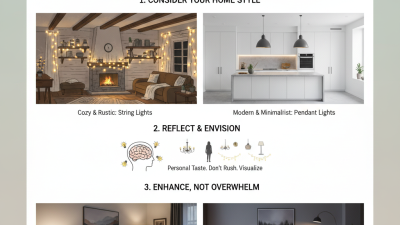
Tips: Consider your room's height when choosing light types. High ceilings work well with pendants, while low ceilings benefit from flush mounts. Check for wattage compatibility to avoid overheating. Lastly, take the time to evaluate your aesthetic preferences. It's essential to select lights that not only fit your functional needs but also resonate with your personal style. Sometimes, the best choice may require revisiting and reflecting on your initial thoughts.
Factors to Consider When Choosing Ceiling LED Lights for Your Home
Choosing the right ceiling LED lights for your home involves several important factors. First, consider the size of your space. A small room may require fewer lights, while larger areas can benefit from multiple sources. Think about brightness, too. The lumens rating will help you understand how much light you need.
Another aspect to evaluate is the color temperature. Warm white lights create a cozy atmosphere, while cool white lights are better for working areas. Don't forget to assess energy efficiency as well. Look for lights that offer long life and low energy consumption.
Tips: Measure your ceiling height. This helps in selecting fixtures that fit without overwhelming the space. Always factor in the room's purpose when choosing brightness and color. Lastly, consider
dimmable options for versatility.
Sometimes decisions can be tough. You may find a style that looks good but doesn't provide enough light. Reflect on your choices, and don’t rush. The right lighting will enhance your home, making it inviting and functional.
Evaluating Brightness and Color Temperature for Optimal Lighting
Choosing the right ceiling LED lights can greatly enhance your home’s atmosphere. A key factor in this decision is the evaluation of brightness and color temperature. Brightness is measured in lumens. The more lumens, the brighter the light. According to the U.S. Department of Energy, a typical room needs between 1,000 to 2,000 lumens for adequate illumination. This standard may vary based on individual needs and room usage.
Color temperature, measured in Kelvin (K), is another crucial aspect. A warmer color temperature, around 2700K, offers a cozy, inviting feel perfect for living areas. In contrast, cooler temperatures, up to 5000K, resemble daylight and are suitable for workspaces. The American Lighting Association suggests using a range of color temperatures to create visual interest. However, it's essential to reflect on how these temperature variations make one feel. Personal reactions to light can differ significantly.
Some may find brighter, cooler light invigorating, while others may feel uncomfortable. There’s also a complexity in achieving the right balance of brightness and temperature. Too bright a light can cause glare and discomfort, while too dim can lead to eye strain. When selecting ceiling LED lights, carefully consider these factors to create a welcoming and functional space.
Brightness and Color Temperature Comparison for LED Ceiling Lights
This chart compares the brightness levels (in lumens) of various color temperatures for LED ceiling lights, helping you to decide which option fits your home lighting needs best.
Energy Efficiency and Longevity of LED Ceiling Lights Explained
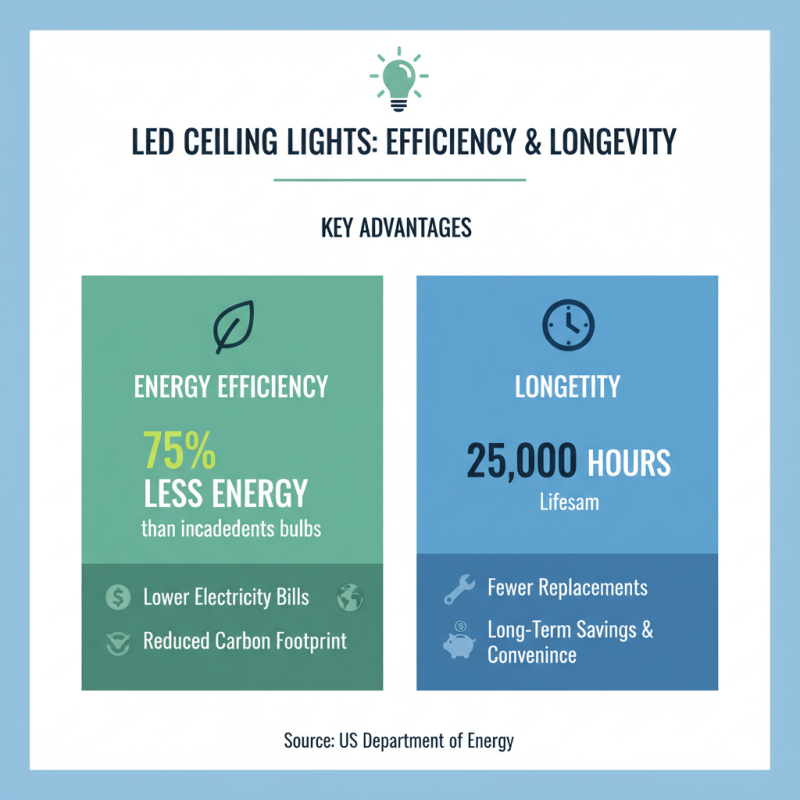
When choosing ceiling LED lights, energy efficiency and longevity are key factors. According to the U.S. Department of Energy, LED lights use at least 75% less energy than incandescent bulbs. This significant reduction leads to lower electricity bills and a smaller carbon footprint. Furthermore, LED lights have a lifespan of about 25,000 hours. In contrast, traditional bulbs may last only 1,000 hours. Such durability means fewer replacements, enhancing long-term savings and convenience.
When selecting LED ceiling lights, consider your specific needs. Look for options that provide a warm color temperature for a cozy atmosphere in living spaces. Bright, cool lights work well in work areas like kitchens or garages. Additionally, ensure the lumens output meets your lighting requirements. Higher lumens mean brighter light, which works well in larger rooms.
Tip: Always check the Energy Star rating on LED lights for assurance of quality and efficiency. This rating can guide you toward products that meet high standards. Another tip is to consider dimmable LED options for flexible lighting control, allowing you to adjust brightness according to your mood or activity. Lastly, remember, not all LED products are created equal; researching and reading reviews can help you make informed decisions.
Installation Tips and Maintenance for Ceiling LED Light Fixtures
When installing ceiling LED lights, proper planning is essential. Start by assessing the size of the room. A well-lit area enhances both comfort and functionality. Look for dark corners that need extra light. Create a layout before you start. This will guide your installation and ensure an even distribution of light.
For installation, turn off the power at the circuit breaker. Safety should be your top priority. Use a sturdy ladder for reach. Ensure the fixture is securely mounted to avoid any accidents later. Check that all connections are tight and properly insulated. Sometimes, this is where errors happen. A loose wire could lead to flickering or worse.
After installation, remember to maintain your lights. Regularly dust the fixtures to keep them clean. Accumulated dust can dull the brightness. Check for any flickering or dimming. This could indicate an issue with the electrical supply or the fixture itself. Identifying these problems early can save time and money in the long run. It's crucial to stay attentive to how your lights perform over time.
How to Choose the Best Ceiling LED Lights for Your Home - Installation Tips and Maintenance for Ceiling LED Light Fixtures
| Dimension |
Details |
| Light Type |
Recessed, Flush Mount, Pendant |
| Wattage |
12W to 50W |
| Lumens |
800 to 4000 lumens |
| Color Temperature |
Warm White (2700K), Cool White (4000K), Daylight (5000K) |
| Installation Type |
Hardwired, Plug-in |
| Lifespan |
25,000 to 50,000 hours |
| Dimmable |
Yes/No |
| Maintenance Tips |
Regular dusting, checking for loose connections |



 Email
Email Whatsapp
 WeChat