How to Choose Changecolor Lights for Your Next Project?
In the realm of modern lighting design, Changecolor Lights have emerged as a transformative element for both aesthetic and functional purposes. A report by the American Lighting Association indicates that color-changing technology has grown by over 35% in commercial applications in the last three years. This trend reflects a shifting demand among consumers who seek customizable environments.
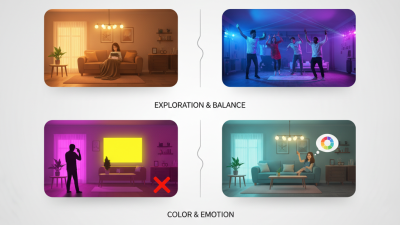
Choosing the right Changecolor Lights for your project is crucial. Many designers underestimate the impact of color on mood and perception. Studies show that color can influence emotions and behaviors, making it a powerful tool in creating engaging spaces. However, navigating the countless options on the market can be overwhelming. Not every product delivers on its promise, and lighting quality varies significantly.
It's essential to evaluate materials, features, and energy efficiency when selecting Changecolor Lights. Not all brands are created equal. Misjudging the specifications can lead to unsatisfactory results and wasted resources. Think about your project's goals and how color dynamics play a role. Understanding these elements will ensure better outcomes in your design endeavors.
Understanding Changecolor Lights: Types and Applications
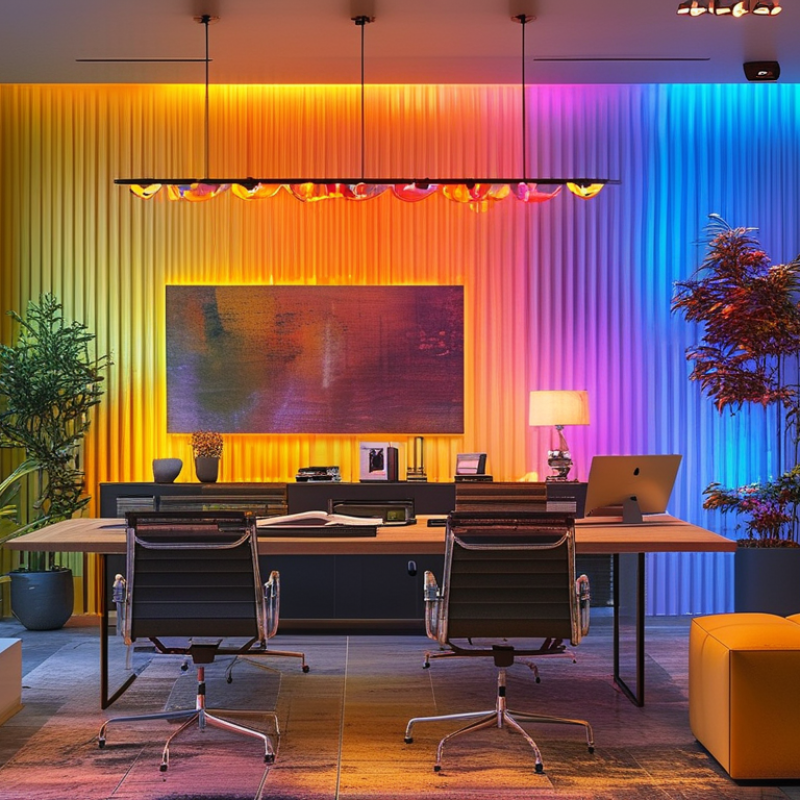
Changecolor lights come in various types, each suited for different applications. Understanding these types can greatly enhance your project. For example, RGB LED lights blend red, green, and blue to create a wide spectrum of colors. They are popular for decorative lighting in homes, parties, and events. These lights allow users to change colors easily, adding vibrancy to any space.
Another type is tunable white lights. These lights offer a range of white tones, from warm to cool. They are ideal for settings where mood matters, such as in offices or cafes. By adjusting the color temperature, you can influence how people feel in the space. However, selecting the wrong type for your setting can dampen the intended atmosphere.
Considering the voltage and energy efficiency of changecolor lights is essential. Some lights may consume more power than expected. This could affect both the environment and your budget. Always check the specifications. Explore several options and test them. Making the right choice now can save you time and frustration in your next project.
Key Considerations for Selecting Changecolor Lights
When selecting changecolor lights for your next project, several key considerations are vital for making an informed decision. First, assess the color temperature. According to industry reports, a temperature range of 2700K to 3000K is ideal for creating a warm and inviting atmosphere. Higher temperatures are often favored in commercial spaces to enhance productivity.
Think about the energy efficiency as well. LED changecolor lights consume up to 75% less energy compared to traditional bulbs. This transition not only reduces electricity bills but also extends the lifespan of the lights, an essential factor in sustainability. The average LED lasts about 25,000 hours, which can significantly lower maintenance costs over time.
When designing the space, consider the brightness level. Higher lumens can create more visibility, particularly in task-oriented areas. Choose dimmable options to easily adjust the ambiance. Remember, the flexibility of changecolor lights allows adaptation to different moods or activities, enhancing both functionality and aesthetics.
Tips: Test samples in your setting before purchase. This helps evaluate how the lights interact with your color palette and furniture. Pay attention to dimming capabilities, as not all changecolor lights perform well at lower levels. Lastly, keep in mind that too many colors can create a chaotic atmosphere. Aim for a cohesive color scheme that complements the overall design.
Comparison of Changecolor Light Features
This chart displays key features of changecolor lights, including brightness in lumens, color range in RGB, power consumption in watts, lifespan in hours, and average price in USD. When selecting changecolor lights for your project, consider these factors to make an informed decision.
Comparing Brightness and Color Temperature in Changecolor Lights
When selecting changecolor lights, understanding brightness and color temperature is crucial. Brightness is measured in lumens, indicating how much light a bulb emits. Higher lumens mean a brighter space. However, brighter isn't always better. Too much brightness can be harsh, affecting the room's ambiance. For cozy areas, aim for lower lumen bulbs to create a warm atmosphere.
Color temperature, measured in Kelvin, influences the mood of a room. It ranges from warm (around 2700K) to cool (over 5000K). Warm light provides a relaxing vibe, perfect for bedrooms or living rooms. In contrast, cool light can enhance focus, suitable for workspaces. Experimenting with different temperatures is essential. You might find that a warm light feels too subdued, while cool light may seem overly clinical.
Balancing brightness and color temperature is not straightforward. Personal preferences vary. Some people prefer a bright, cool light for art projects, while others need soft, warm light for relaxing. It’s worth trying combinations in your space before making a final choice. Documenting your preferences can help refine your selection process.
Evaluating Durability and Eco-friendliness of Changecolor Lights
When selecting changecolor lights for your project, durability and eco-friendliness are crucial factors to examine. Durable lights withstand wear and tear over time, maintaining performance and appearance. High-quality materials often indicate longer life spans. Fragile options may save money upfront but might require frequent replacements. This could lead to more waste.
Tip: Check for materials like polycarbonate or tempered glass. These are often more durable than standard plastic. Look for lights with a good warranty; it’s a sign of confidence from the manufacturer.
Eco-friendliness is also essential. Look for energy-efficient options that reduce electricity consumption. LED changecolor lights are a popular choice. They last longer and consume less energy than traditional bulbs. Opting for eco-friendly lights helps reduce your carbon footprint.
Tip: Research energy ratings. The higher the rating, the more efficient the light. Consider recyclability when disposing of old lights. Not all bulbs can be easily recycled, which can harm the environment. These considerations not only influence your choice but also reflect personal values and responsibility towards the planet.
How to Choose Changecolor Lights for Your Next Project? - Evaluating Durability and Eco-friendliness of Changecolor Lights
| Feature |
Standard Values |
Eco-friendliness Rating |
Durability (Hours) |
| Lifespan |
25,000 - 50,000 hours |
★★★★☆ |
40,000 |
| Energy Efficiency |
Up to 80% |
★★★★★ |
N/A |
| Materials Used |
Recyclable Plastic |
★★★★☆ |
N/A |
| Color Temperature Range |
2700K - 6500K |
★★★★☆ |
N/A |
| Warranty |
2-5 years |
★★★★☆ |
N/A |
Budgeting for Changecolor Lights: Costs and Long-term Value
When budgeting for changecolor lights, consider both initial costs and long-term value. Recent reports highlight that high-quality changecolor lights can range from $30 to $200 per unit. This price varies depending on features and brand. Invest in reputable products to ensure durability and energy efficiency. According to the U.S. Department of Energy, LED technology, commonly used in changecolor lights, can save up to 75% in energy costs compared to traditional incandescent bulbs.
However, don’t overlook maintenance costs. Some lights require frequent bulb changes, which can accumulate over time. A study by the Lighting Research Center indicates that the lifetime of LED lights can reach 25,000 hours, while others may last significantly less. This variance affects overall savings. Think about your project’s scope and usage frequency.
Reflect on the technology and design suited for your needs. The initial investment may be higher, but the potential savings in energy and replacement can justify the cost. Choosing changecolor lights that fit your budget requires a careful assessment of both immediate expenses and future benefits. Having a clear understanding will guide you in making the right decision, balancing short-term expenses with long-term rewards.



 Email
Email Whatsapp
 WeChat