How to Choose the Right Lighting Fixture for Your Home
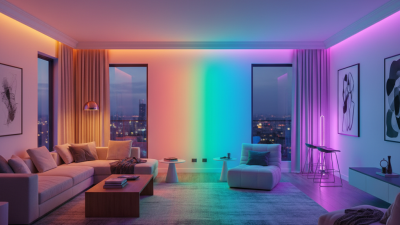
Choosing the right lighting fixture for your home can significantly enhance the overall atmosphere. Lighting expert, Jane Doe, emphasizes, "A well-chosen lighting fixture can transform any room into a welcoming space." This statement highlights the power of lighting in shaping our environments.
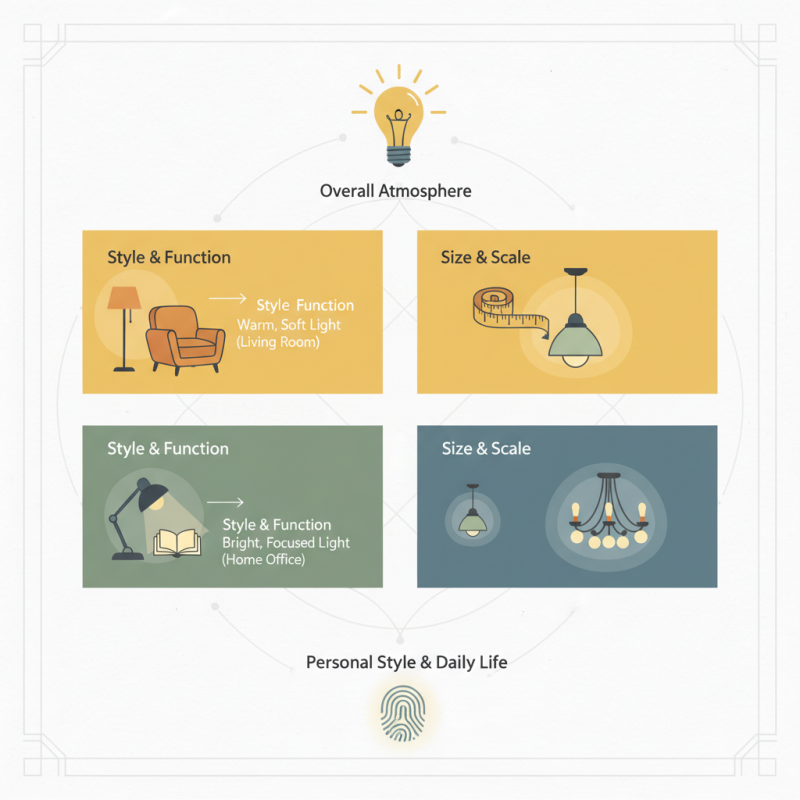
When selecting a lighting fixture, consider the style and function. Each room requires specific illumination to serve its purpose effectively. For instance, a cozy living room may benefit from warm, soft lighting, while a home office needs bright, focused light. It’s easy to overlook these details, but they are crucial in creating a balanced ambiance.
Moreover, the size and scale of the fixture matter. A large chandelier might overwhelm a small dining room, while a tiny pendant may not provide enough light in a spacious kitchen. It's critical to reflect on these aspects when making your selection. Ultimately, your choice reflects your personal style and enhances your daily life.
Understanding Different Types of Lighting Fixtures for Home Use
Choosing the right lighting fixture can significantly change your home's atmosphere. Understanding the different types is essential. Ceiling mounts are common. They work well in most rooms. Pendant lights add elegance. They are great over dining areas or kitchen islands. Floor lamps provide versatility. You can move them around easily.
When selecting fixtures, consider the room's purpose. Soft lighting is ideal for bedrooms. It creates a calm ambiance. Bright lighting works well in workspaces. It helps with focus and productivity.
Tips: Match your fixtures to the room's style. Modern homes look great with minimalist designs. Vintage pieces may complement traditional decor nicely. Also, think about dimensions. Oversized fixtures can overwhelm small spaces. Conversely, tiny lights can get lost in large rooms.
A well-lit space can boost your mood. Lighting affects not just visibility but also emotion. Experiment with different bulbs. Warm hues promote relaxation. Cool tones can energize. There’s no perfect formula; personal preference plays a significant role. Remember, the best choice reflects your unique taste.
Evaluating Your Space: Size, Function, and Ambiance Considerations
When choosing lighting fixtures for your home, consider the size of your space. A small room may be overwhelmed by a large chandelier. Conversely, a spacious living area needs fixtures that can fill the space without feeling lost. Aim for balance. A well-proportioned light can transform an area, enhancing its overall appearance.
Functionality is equally important. Different rooms serve varied purposes, requiring distinctive lighting approaches. A cozy reading nook benefits from focused light, while a kitchen may need broad, even illumination. Adjustable fixtures can accommodate multiple tasks. Think about how you use each space.
Finally, ambiance plays a crucial role. Soft, warm lighting creates comfort, while bright lights can energize the room. Experiment. Sometimes, a dimmer switch is all you need for versatility. Be aware that light fixtures can impact your mood. The right choice can elevate the atmosphere of your home. Reflect on what each area should convey and choose accordingly.
Choosing the Right Style: Matching Fixtures to Your Home's Decor
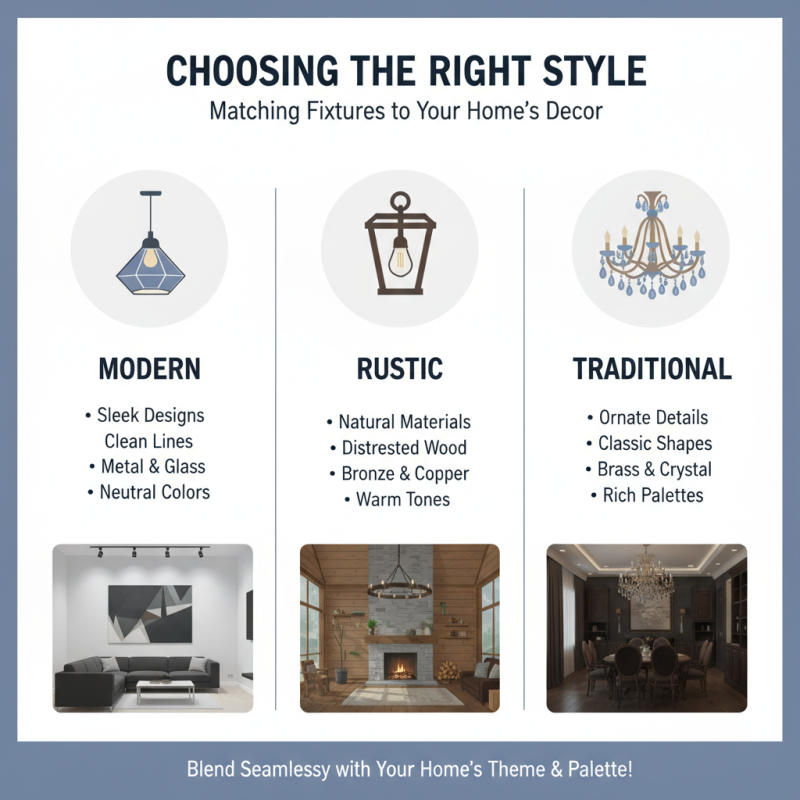
When choosing lighting fixtures, style is key. The right fixture can enhance your home's decor. Take time to consider the overall theme of your space. Is it modern, rustic, or traditional? Your lighting should blend seamlessly with your furniture and color palette.
For a contemporary look, opt for sleek fixtures with clean lines. Metallic finishes can add a touch of sophistication. If your decor leans towards the rustic, consider fixtures made from wood or wrought iron. These materials can create warmth and character in any room. Mixing styles can also work if done thoughtfully.
Don't forget about functionality. Each fixture should suit the space it occupies. A brightly lit dining area needs a different approach than a cozy reading nook. Experiment with different designs and placements. Sometimes, what looks good on paper may not fit well in reality. Trust your instincts but be open to change.
Energy Efficiency: Selecting Eco-Friendly and Cost-Effective Options
Choosing energy-efficient lighting fixtures is essential for modern homes. Environmentally-friendly options can save money and reduce your carbon footprint. LED and CFL bulbs are two excellent choices. They last longer than traditional incandescent bulbs, meaning fewer replacements contribute to waste.
Consider the brightness and color temperature of the bulbs. Warmer tones create a cozy atmosphere, while cooler tones enhance focus. It's important to match the lighting with the room's function. For example, brighter lighting works well in kitchens and workspaces, whereas softer lighting suits living rooms and bedrooms.
Keep in mind that not all energy-efficient options are created equal. Some may have a higher upfront cost but save more over time. Researching and comparing different fixtures can be time-consuming. However, it's worth the effort to maximize efficiency. Embrace the trial and error of finding the right balance between aesthetics and performance. Selecting eco-friendly and cost-effective lighting can significantly impact both your home and the environment.
Installation Tips: Ensuring Safe and Effective Fixture Placement
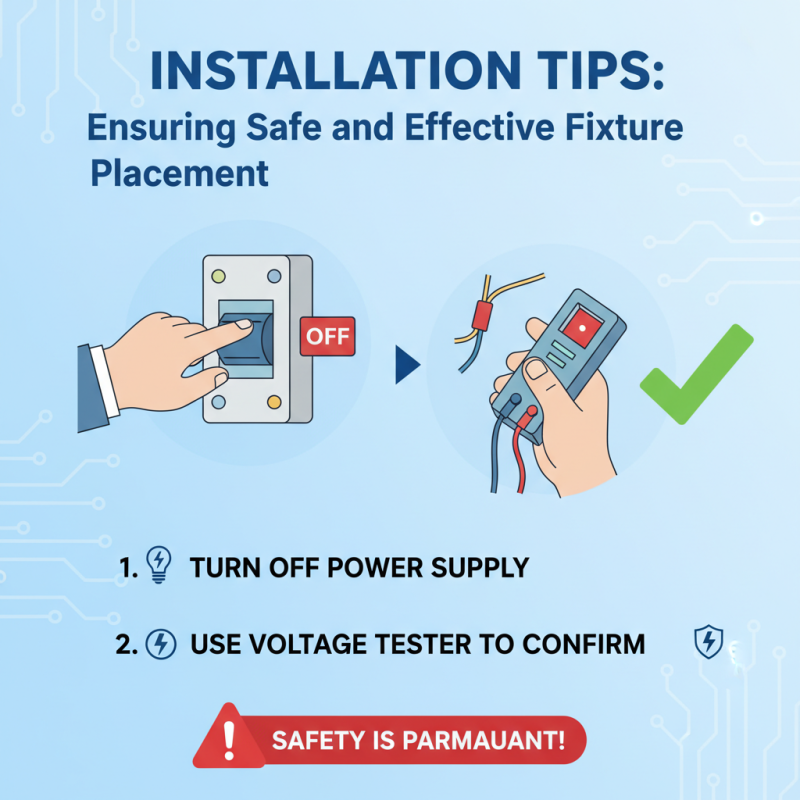
When installing lighting fixtures, safety is paramount. Begin by turning off the power supply to the area where you plan to work. Use a reliable voltage tester to confirm that the power is indeed off. This simple step prevents electrical accidents during installation.
Consider the height and placement of the fixture. A general rule is to hang pendant lights about 30 inches above a dining table. For wall sconces, positioning them about 60 inches from the floor works well. Make sure they are aligned with the room's design. Overhead fixtures should provide sufficient light without being cramped against the ceiling.
Always follow the manufacturer's installation instructions. If the fixture is heavy, ensure it is anchored properly to support its weight. For complex setups, don't hesitate to consult a professional. Mistakes can lead to improper installation, reducing functionality. Take time to review your work before turning the power back on. The right lighting can transform a room, so it's worth getting it right.



 Email
Email Whatsapp
 WeChat