How to Choose the Best Decoration Lights for Your Home?
When it comes to enhancing the ambiance of your home, choosing the right Decoration Lights is crucial. Renowned interior designer, Sarah Thompson, once said, "The right lighting can transform a space from ordinary to extraordinary." This statement emphasizes the importance of thoughtfully selecting lighting that reflects your style and meets your functional needs.
Decoration Lights can dramatically alter the atmosphere of any room. From brightening a cozy corner to highlighting artwork, they serve multiple purposes. A variety of styles are available, including string lights, chandeliers, and wall sconces. Each option has unique features that cater to different tastes and spaces. However, with so many choices, the selection process can be overwhelming. It is essential to consider factors like room size, existing decor, and personal preferences.
Many homeowners struggle with matching their lighting choices to their overall design vision. Some may even rush into decisions, only to realize later that their lights clash with the decor. To avoid this pitfall, take your time and explore how various Decoration Lights fit your home. Always reflect on how each choice aligns with your desired atmosphere. Consider not just aesthetics, but also functionality, ensuring your selections enhance your living space effectively.
Factors to Consider When Choosing Decoration Lights
When selecting decoration lights for your home, several factors come into play. Lighting can dramatically change moods and perceptions. Studies suggest that the right lighting can enhance a room's aesthetic by up to 30%. It's essential to consider the purpose of the lighting. Do you want to create a cozy atmosphere or a bright, energetic space? Each goal requires different types of lights.
One critical element is brightness. The lumen output should match the size of the room. For instance, a small living room may only require 1,500 lumens. In contrast, a large dining area might need up to 5,000 lumens. Adjusting the brightness can influence not just the look but also the functionality of the space.
Tips: Match the color temperature to your style. Warm tones (2700-3000K) create intimacy. Cool tones (4000K and above) evoke freshness. Remember, layering different light sources can add depth; consider combining ambient, task, and accent lighting.
Consider the style and design of the fixtures too. Historical data shows that stylish lights can increase home value by approximately 15%. However, make sure the lights match your existing decor to enhance coherence.
Lastly, reflect on sustainability. Energy-efficient lights save money and are better for the environment. LEDs can last up to 25,000 hours, making them a smart long-term choice.
Types of Decoration Lights for Different Home Styles
When decorating your home, choosing the right lighting is essential. Different home styles require distinct types of decoration lights to create the desired ambiance. According to a report by the American Society of Interior Designers, over 75% of homeowners consider lighting a crucial factor in home design. This statistic highlights the importance of selecting the right fixtures.
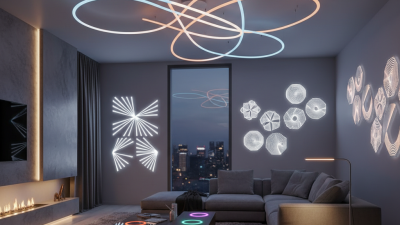
For modern spaces, sleek pendant lights or LED strips can enhance the minimalistic decor. A well-placed LED strip can illuminate shelves or corners, adding depth. In contrast, traditional homes often benefit from chandeliers or ornate wall sconces. These fixtures add elegance and warmth. A survey from Houzz found that 68% of homeowners prefer classic lighting options in vintage-style homes.
Eclectic spaces thrive on a mix of styles. Unique fairy lights or colored lanterns can introduce a playful touch. However, balance is key. Too many competing styles may lead to a chaotic feel. A report by the National Association of Home Builders indicates that proper lighting can increase home value by up to 10%. Understanding your home's unique style is crucial for making informed lighting decisions.
Tips for Selecting the Right Brightness and Color Temperature
Choosing the right brightness and color temperature for your home decor lights significantly impacts mood and functionality. The Illuminating Engineering Society recommends maintaining specific luminance levels. For living areas, 100-300 lumens per square meter is ideal. In contrast, kitchens can benefit from higher brightness, around 300-500 lumens per square meter. Understanding these guidelines allows you to create the perfect atmosphere.
Color temperature plays a crucial role as well. Measured in Kelvin (K), temperatures below 3000K create a warm, cozy effect, suitable for bedrooms and dining rooms. Conversely, temperatures above 4000K provide a cooler, energizing feel, often preferred in workspaces. Studies show that warmer lights promote relaxation, while cooler lights enhance alertness and focus.
Balancing brightness and color can be challenging. Many homeowners overlook the impact of dimmers and smart lighting options that allow flexibility. For instance, using adjustable lights can help tailor the experience for various activities. However, this balance requires thoughtful consideration of the space's function and desired ambiance. As you select lighting, keep in mind that experimentation may be necessary to achieve your ideal setting.
How to Choose the Best Decoration Lights for Your Home?
| Lighting Type |
Brightness (Lumens) |
Color Temperature (Kelvin) |
Best Use Case |
| String Lights |
100 - 300 |
2700K - 3000K |
Outdoor & Indoor Decor |
| LED Strip Lights |
300 - 1200 |
3000K - 6500K |
Accent Lighting & Dimmable Areas |
| Fairy Lights |
50 - 200 |
2200K - 3000K |
Festive Events & Ambiance |
| Wall Sconces |
200 - 800 |
2700K - 3500K |
Room Ambiance & Functional Lighting |
| Table Lamps |
100 - 600 |
3000K - 5000K |
Reading & Task Lighting |
Energy Efficiency and Cost-Effectiveness of Illumination Options
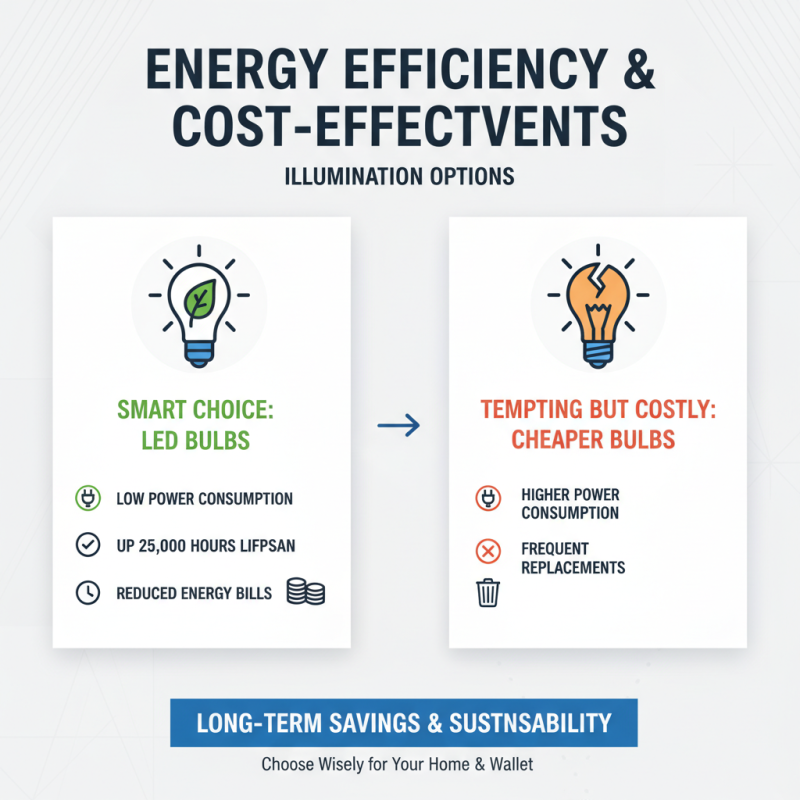
When selecting decoration lights for your home, focusing on energy efficiency is essential. Energy-efficient bulbs, like LEDs, consume less power. They can last up to 25,000 hours. This significantly reduces replacement frequency and overall energy bills. You might feel tempted by cheaper options, but they often lead to higher long-term costs.
Understanding wattage is another important factor. Lower wattage may save energy but might not provide desired brightness. Balance is key. Some homeowners overlook lumens, which measure brightness. Avoid compromising ambient lighting for lower energy use. Think practically about how each room will utilize light.
Consider using timers and dimmers to improve cost-effectiveness. These tools can reduce energy consumption based on actual needs. Yet, people often underestimate their impact. Reflect on your daily routines to make the most of these features. Ultimately, being mindful of energy options in decoration lights can save money while enhancing home aesthetics. Your choices can lead to a sustainable haven.
Placement Strategies for Optimal Light Distribution in Your Home
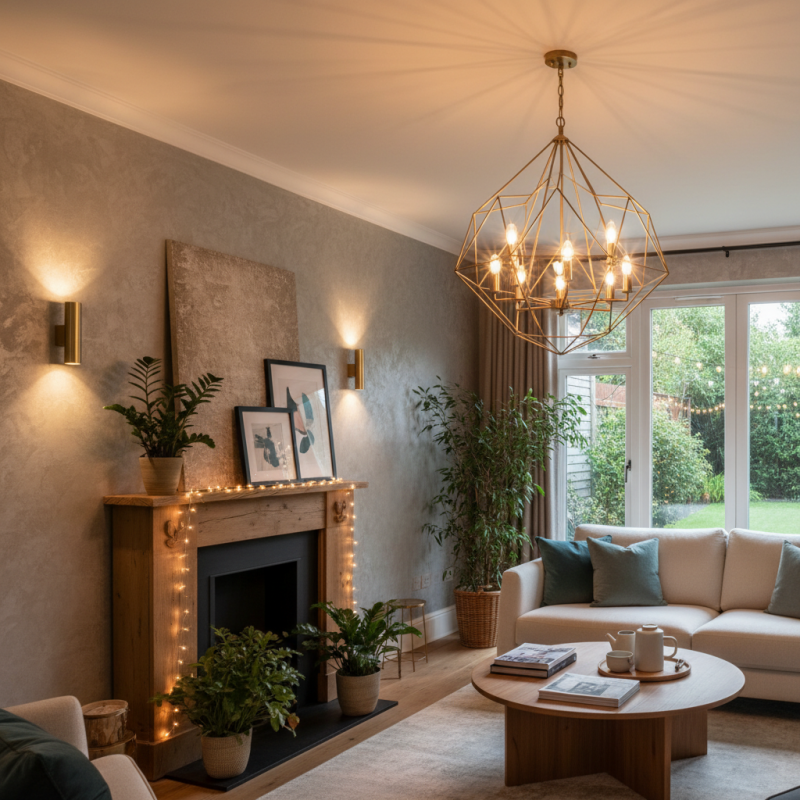
Creating a warm and inviting atmosphere in your home often starts with the right lighting. Placement strategies are crucial for achieving optimal light distribution. Start by assessing each room. Consider natural light sources and how they interact with artificial lights. For living rooms, place lights in corners to maximize spread. Use wall sconces to create layers, adding depth and warmth.
In dining areas, consider pendant lights directly above tables. This draws attention to the space while providing adequate illumination. Think about task lighting in kitchens. Under-cabinet lights help with food preparation, while ceiling fixtures brighten the whole room. Reflect on the heights of your lights. Too high can create shadows; too low may overwhelm.
Don’t overlook the importance of dimmers. They allow flexibility for different moods and times of day. Experimenting with placement can lead to unexpected results. Perhaps a fixture you thought fit perfectly doesn’t seem right. Adjusting the distance or angle can make a significant difference in ambiance. Remember, it’s about balance and personal preference.
Light Distribution Analysis for Home Decoration



 Email
Email Whatsapp
 WeChat