How to Choose the Best Tri-Proof Lights for Your Needs?
Choosing the best Tri-Proof Lights can be challenging. "Lighting is not just about brightness; it’s about durability and efficiency," says John Smith, an expert in lighting solutions. His statement highlights the critical aspects of selecting the right lighting for various environments.
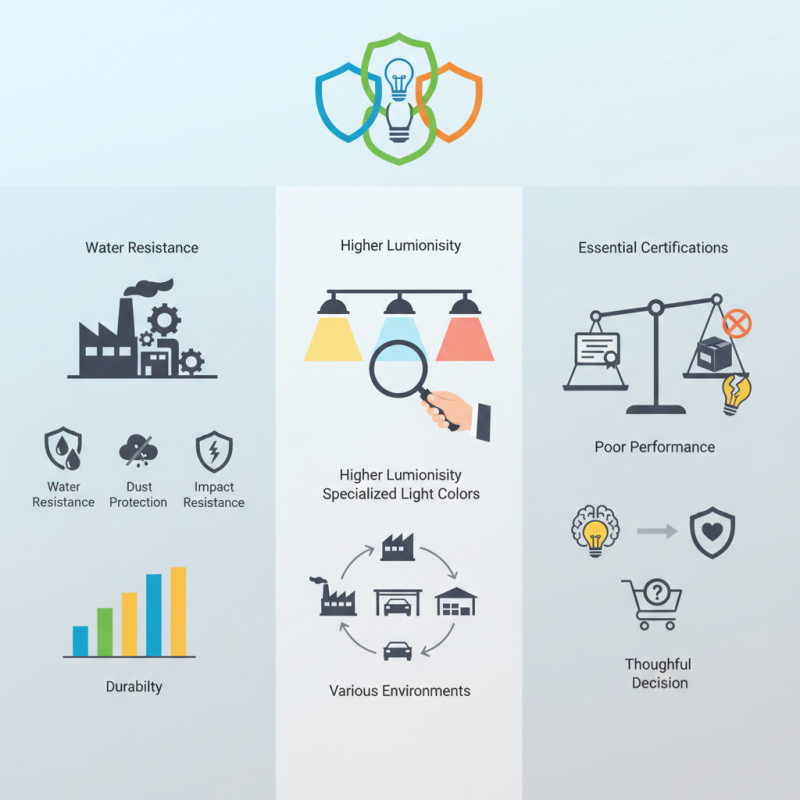
Tri-Proof Lights are designed to withstand harsh conditions, making them ideal for industrial and outdoor settings. They must meet specific criteria, such as water resistance, dust protection, and impact resistance. However, not all products are equal. Some claim to be Tri-Proof but lack essential certifications. This can lead to poor performance and premature failures.
Understanding your specific needs is crucial. For instance, certain areas may require higher luminosity or specialized light colors. The variety available can be overwhelming, and misinformation might lead to mistakes. It's vital to research and compare different brands. Thus, finding the perfect Tri-Proof Light isn't just a purchase; it's a thoughtful decision that impacts functionality and safety.
Understanding Tri-Proof Lights: Key Features and Benefits
Tri-proof lights are essential for demanding environments. They are designed to be waterproof, dustproof, and shockproof. This makes them ideal for areas like bathrooms, warehouses, and outdoor spaces. Understanding their key features is crucial for making an informed choice.
One of the significant benefits is their durability. Tri-proof lights often have high IP ratings, ensuring protection from water and dust. Another feature to consider is the brightness level. Selecting the right lumens can affect visibility significantly. Energy efficiency is another important factor. Many models offer long-lasting LED options, saving on electricity bills.
There can be drawbacks as well. Not all tri-proof lights are easy to install. Some might require professional help, leading to additional costs. It’s essential to assess your capability before choosing. Additionally, not every model works well in extreme temperatures. Make sure to check the specifications. Choosing the wrong one can lead to frustration. Pay attention to these details for the best outcome.
Different Types of Tri-Proof Lights and Their Applications
Tri-proof lights are essential in environments needing robustness against harsh conditions. These lights are primarily used in areas exposed to water, dust, and corrosion. According to industry reports, the adoption of tri-proof lighting solutions has grown by over 40% in industrial sectors in recent years. This increase is driven by the demand for reliable and energy-efficient lighting.
There are three main types of tri-proof lights: waterproof, dustproof, and corrosion-resistant. Waterproof lights are ideal for outdoor settings. They withstand heavy rain and direct water exposure. Dustproof options are perfect for factories or construction sites, preventing debris accumulation. Corrosion-resistant lights are designed for chemical industries. They endure harsh chemical processes, prolonging lifespan and maintaining efficiency. Each type has unique benefits tailored to specific applications.
However, choosing the right tri-proof light requires consideration. Not all options are suitable for every environment. The light output and energy efficiency can vary significantly by model. Some users report issues with brightness levels in densely packed facilities. Others face challenges with installation in complex settings. It’s crucial to evaluate these elements thoroughly before making a purchase. Understanding the unique needs of your space can prevent costly mistakes.
Factors to Consider When Choosing Tri-Proof Lights
When selecting tri-proof lights, various factors come into play. An important aspect is the environment where these lights will be used. Whether in a factory, warehouse, or outdoor space, specific requirements must be met. According to a recent industry report, over 70% of users prefer lights that are resistant to dust, water, and impact. Understanding your environment's challenges helps ensure the right choice.
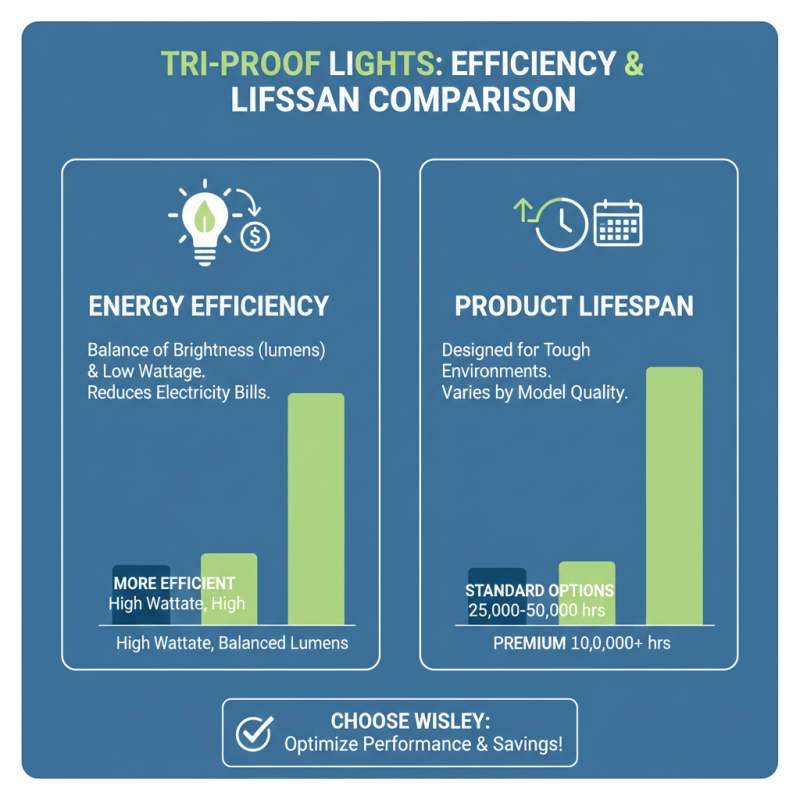
Another critical consideration is energy efficiency. Many tri-proof lights are designed with LED technology, which can significantly reduce energy consumption. A study indicated that LED lights can save up to 80% on electricity bills compared to traditional lighting. However, not all LED products perform equally. Some options may promise energy efficiency but fail to deliver in harsh environments.
Light output and quality are also essential. The lumens produced can vary widely. Certain tri-proof lights may provide a brighter output, but lower CRI values could affect visibility. Research shows that a CRI above 80 is preferable in workspaces. Users may find themselves reflecting on the light quality and output needed for specific tasks. Balancing brightness and color quality is vital.
Installation and Maintenance Tips for Tri-Proof Lights
When installing tri-proof lights, placement is crucial. Ensure they are positioned to maximize light coverage. Commonly, these lights are suitable for areas prone to moisture, dust, and impact.
Consider their IP rating, which indicates water and dust resistance. A rating of at least IP65 is usually recommended for outdoor applications.
Routine maintenance is essential for the longevity of tri-proof lights. Regularly check for any signs of wear or damage.
Some lights might develop fogging due to humidity. Cleaning the lens can help maintain brightness. Use a soft cloth and mild detergent for this task.
Tip: Always power down the lights before inspection or maintenance. Proper care can extend their lifespan significantly. Different environments may need varied maintenance schedules, especially in harsh conditions. Adjust your practices based on observed performance. Keep a maintenance log to track issues and repairs. This will help you manage your lighting effectively.



 Email
Email Whatsapp
 WeChat