10 Essential Tips for Choosing the Perfect Ceiling Chandeliers
Choosing the right ceiling chandeliers can significantly impact your space's atmosphere. According to renowned lighting designer Sarah Johnson, “The right chandelier doesn’t just illuminate a room; it brings the entire design together.” This emphasizes the importance of selecting a fixture that complements both function and aesthetics.
When considering ceiling chandeliers, various factors come into play. Size, style, and placement are critical. A chandelier that is too small may get lost, while one that is excessively large can overwhelm the room. Additionally, the design must harmonize with existing decor for a coherent appearance. These aspects can lead to overwhelming choices.
Do not rush the process. Take time to envision how different chandeliers will interact with your space. Lighting can transform a room, but it can also leave you feeling dissatisfied if chosen haphazardly. Aim for a blend of beauty and practicality in your selections. Remember, impactful design stems from thoughtful consideration.

Understanding the Basics of Ceiling Chandeliers
When selecting the perfect ceiling chandelier, it's vital to understand the basics. Chandeliers come in various styles, sizes, and materials. Knowing these elements can help you make informed choices. For instance, consider the height of your ceiling. A lower ceiling needs a flush mount or a compact chandelier to avoid overwhelming the space.
Lighting is another key aspect. The type of bulb used affects brightness and ambiance. Soft white bulbs create warmth, while daylight bulbs offer a more vibrant feel. Ensure the wattage is suitable for the room's size.
Tip: Measure the space before buying a chandelier. Its size should complement your room and not overpower it. A common guideline is to add the room’s dimensions together (in feet) and convert that to inches for a suitable diameter.
Pay attention to the chandelier's material. Metal, glass, and crystal all provide different aesthetics. Crystal chandeliers can reflect light beautifully but require more maintenance.
Tip: Don't overlook the installation method. Some fixtures require professional installation. Make sure you’re prepared for that extra step.
In summary, focus on the chandelier's size, light capabilities, and material to enhance your space effectively. Choose wisely, as this decision impacts the room's overall vibe.
Evaluating Your Space: Size and Style Considerations
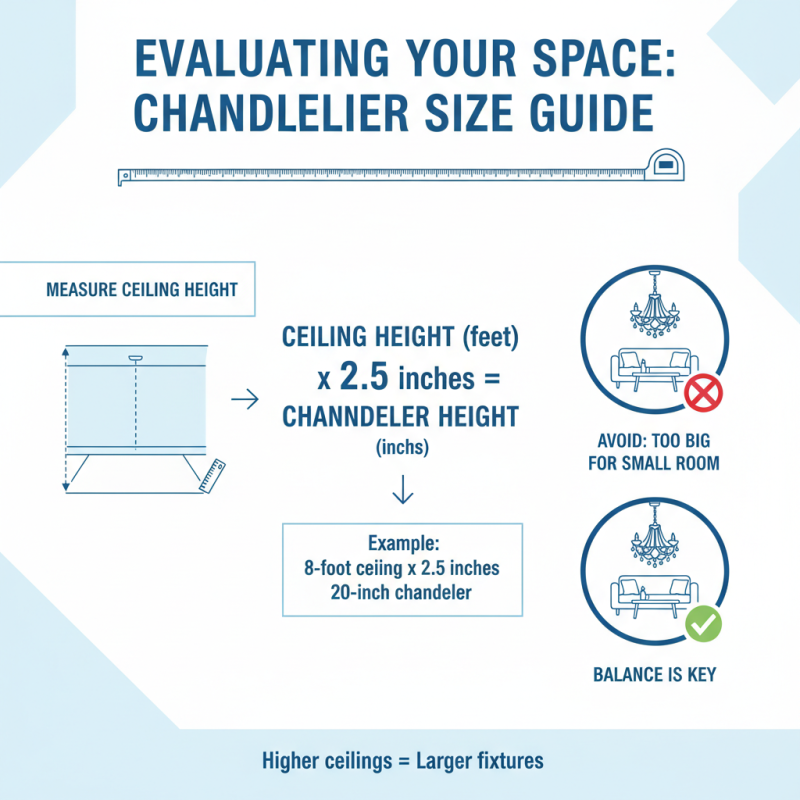
When evaluating your space for the perfect chandelier, size is crucial. Measure your ceiling height. A general rule is to allow 2.5 inches of height for every foot. For example, an 8-foot ceiling could accommodate a chandelier that is 20 inches tall. If your space has higher ceilings, you can choose larger fixtures. However, don’t overpower a small room with a massive chandelier. Balance is key.
Next, consider the style of your space. Is it modern, rustic, or traditional? Your chandelier should complement the overall aesthetic. Minimalist designs work well in contemporary settings, while ornate fixtures suit classic spaces. Visualize how the chandelier fits within the existing layout. A too-heavy design can seem invasive in a simple room. Reflect on your personal style. Sometimes, trying to match a specific theme can lead to disappointment. It’s okay if your choice feels bold or unconventional. Choosing a chandelier should enhance, not confine.
Choosing the Right Materials and Finishes for Your Chandelier
Choosing the right materials and finishes for your chandelier can deeply impact the overall ambiance of your space. Materials like crystal, metal, and glass each offer distinct characteristics. Crystal adds elegance but can be heavy and requires careful placement. Metal gives a modern touch but may not suit all decor styles. Glass is versatile, yet its fragility can be a concern in high-traffic areas.
The finish of your chandelier also plays a crucial role. According to a recent survey by the Lighting Research Center, 70% of homeowners prefer warm finishes for a cozy atmosphere. Options like brushed nickel or antique bronze can create different moods. A shiny chrome finish might seem appealing but can reflect harsh lighting, creating an uncomfortable glare.
When selecting a chandelier, consider the room’s existing decor and functional needs. A chandelier that clashes with your design will draw attention for the wrong reasons. Keep in mind that trends come and go. A contemporary chandelier might look stunning today but may feel dated in a few years. Balancing aesthetics with practicality is key. Reflect on how the chandelier's materials and finish will fit your lifestyle and environment.
Importance of Lighting Types and Bulb Compatibility
When selecting ceiling chandeliers, understanding lighting types is crucial. Different bulbs emit various intensities and colors. For instance, LED bulbs are efficient and last longer than incandescent options. According to the U.S. Department of Energy, LED bulbs use 75% less energy and have a lifespan of up to 25,000 hours. This efficiency reduces electricity bills and maintenance efforts.
Compatibility of bulbs with fixtures can be tricky. Not all chandeliers can accommodate every bulb type. Some fixtures have specific wattage or shape restrictions. Research shows that improper bulb selection can lead to inadequate lighting. In fact, over 40% of homeowners report dissatisfaction with their space's lighting. It is essential to balance aesthetics with functionality. A beautiful chandelier might not serve its purpose if the lighting isn't right.
Consider the ambiance created by different bulbs. Warm white bulbs can make a room feel cozy, while cool white can enhance productivity. The wrong choice can result in a cold, uninviting space. It's wise to reflect on the atmosphere you want for each room. Always test your options where possible. Be open to adjusting your selections based on real-life observations.
Maintaining Your Chandelier: Care Tips and Best Practices
Maintaining your chandelier is crucial for its longevity and beauty. Regular dusting is essential. Dust can accumulate and dull the shine of your piece. Use a soft cloth and a gentle cleaning solution. Avoid abrasive materials, which can scratch delicate surfaces. According to the Lighting Association, improperly maintained lighting fixtures can lose up to 30% of their brightness over time.
Inspect the electrical components routinely. Flickering lights or inconsistent brightness can signal underlying issues. Ensure the bulbs are the right type and wattage. This not only maintains brightness but also prevents overheating. The National Electrical Manufacturers Association recommends checking connections at least once a year. Neglecting this can lead to safety hazards.
Consider the environment where your chandelier hangs. High humidity can lead to corrosion, while dusty areas accelerate dirt buildup. Sometimes, sealing your chandelier with a protective coating can make maintenance easier. However, it’s not a foolproof solution. Regular maintenance still bears importance. With careful attention, your chandelier can remain a stunning centerpiece for many years to come.



 Email
Email Whatsapp
 WeChat