What is a Led Light Fixture and How Does It Benefit Your Space?
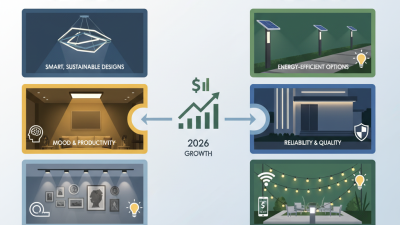
LED light fixtures have transformed the way we illuminate our spaces. According to the U.S. Department of Energy, LED lighting has the potential to reduce energy consumption by up to 75% compared to traditional incandescent bulbs. This shift not only contributes to energy savings but also promotes sustainability in both residential and commercial environments.
Dr. Sarah Johnson, a lighting expert at the Lighting Research Center, emphasizes, “The efficiency and longevity of LED light fixtures are game changers in modern design.” This is particularly relevant as businesses and homeowners seek smarter solutions for lighting. LED fixtures offer excellent durability, often lasting over 25,000 hours, while also providing enhanced color quality and brightness control.
Despite these benefits, selecting the right LED fixture can be confusing. The range of options and specifications may overwhelm consumers. Not all LED products meet high performance standards, leading to disappointing outcomes. Therefore, understanding the true value of LED light fixtures requires thorough research and informed choices. Quality matters in ensuring the desired performance and longevity, reflecting the need for discernment in this evolving field.
Definition and Overview of LED Light Fixtures
LED light fixtures are rapidly gaining popularity in both residential and commercial settings. These fixtures are defined as light sources that use light-emitting diodes (LEDs) for illumination. Unlike traditional bulbs, LED fixtures provide higher energy efficiency and longer lifespans. According to a report from the Department of Energy, LED lighting can use up to 75% less energy than incandescent lighting. This translates to significant savings on energy bills and a reduced carbon footprint.
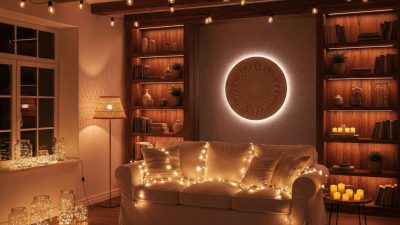
In addition to energy savings, LED light fixtures offer versatility in design and application. They come in various shapes, sizes, and color temperatures, allowing for tailored solutions for specific lighting needs. For example, in office spaces, cooler color temperatures promote alertness. Meanwhile, warmer tones create a relaxed atmosphere in residential areas. A recent study found that well-lit spaces can enhance productivity by up to 20%. However, not all LED fixtures are created equal. The quality of light and associated flicker can impact comfort and well-being. As consumers navigate these options, awareness of fixture performance and light quality becomes critical.
As new technologies emerge, the rapid advancement in LED technology poses challenges for industry standards. There is a risk of misleading claims regarding brightness and efficiency. Consumers should seek reliable sources for information. Choosing the right LED fixtures involves weighing both performance and aesthetic qualities. Understanding these factors can guide better lighting decisions for any space.
What is a Led Light Fixture and How Does It Benefit Your Space? - Definition and Overview of LED Light Fixtures
| Feature |
Description |
Benefits |
| Energy Efficiency |
LED fixtures consume less electricity compared to traditional lighting. |
Lower energy bills and reduced carbon footprint. |
| Longevity |
LED lights typically last up to 25,000 hours or more. |
Fewer replacements needed, lowering maintenance costs. |
| Brightness |
LED fixtures provide high levels of brightness with clarity. |
Improves visibility and enhances the ambiance of spaces. |
| Color Temperature |
Available in various color temperatures from warm to cool light. |
Flexibility in creating desired atmospheres in different settings. |
| Environmentally Friendly |
LEDs contain no toxic elements and are 100% recyclable. |
Reduces environmental impact and disposal issues. |
Types of LED Light Fixtures Available for Various Uses
LED light fixtures have gained popularity due to their efficiency and versatility. They come in various types, each designed for specific applications. For instance, recessed lights are ideal for ambient lighting, while track lights provide flexibility for highlighting certain areas. Wall-mounted fixtures can enhance aesthetics and functionality in any room.
In commercial settings, LED panels offer excellent illumination while saving energy. According to the U.S. Department of Energy, LED fixtures can reduce energy consumption by up to 75%. This change not only lowers electricity bills but also decreases the carbon footprint. Another popular option is outdoor fixtures, which enhance security while providing ample lighting for pathways and entrances.
Tips: When selecting LED lights, consider the brightness and color temperature. Warm white lights create a cozy atmosphere, while cool white lights are more energizing. Make sure to check the fixture's longevity. A quality LED fixture can last 25,000 hours or more, although some lower-priced models may not meet this expectation. Evaluate the specific needs of your space to optimize lighting and enhance functionality.
Key Benefits of Using LED Lighting in Different Spaces
LED lighting is transforming various spaces, bringing numerous benefits. These fixtures consume up to 75% less energy compared to traditional incandescent bulbs, according to the U.S. Department of Energy. This drastic reduction not only aids in the fight against climate change but also leads to considerable cost savings for consumers. Imagine a commercial space that switches to LED; annual electricity costs could drop significantly, making those funds useful for other expenses.
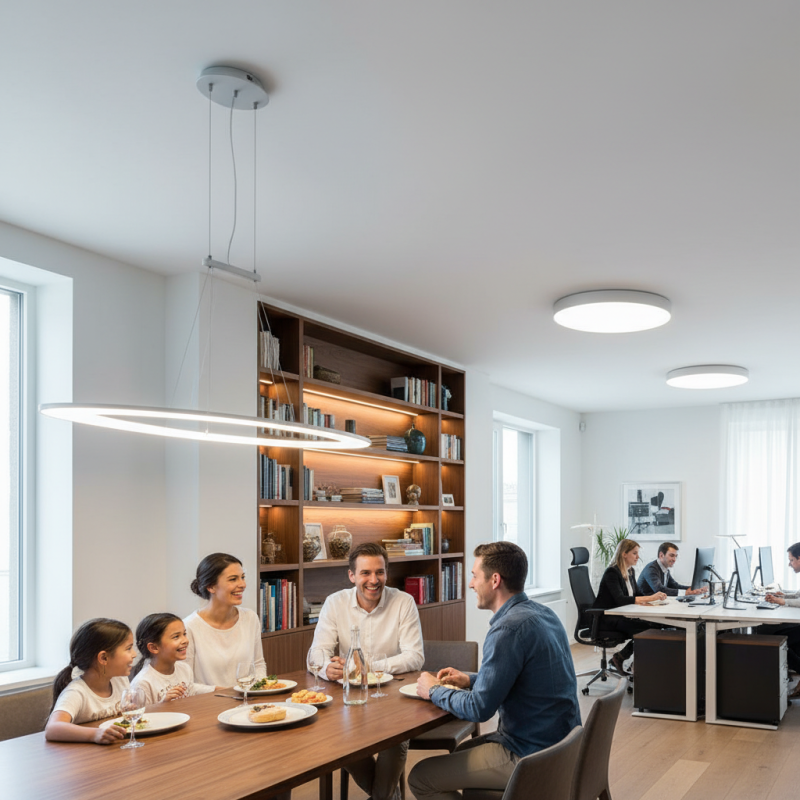
In residential settings, LED lights can enhance mood and productivity. Research from the International Energy Agency indicates that LED lighting can improve focus and comfort in workspaces. Furthermore, the long lifespan—often exceeding 25,000 hours—means fewer replacements, reducing waste. Consider a busy office where the lights need constant changing. The durability of LEDs helps minimize disruptions.
However, there are challenges that come with this lighting. Initial costs for LED fixtures can be higher than traditional options. Some users report issues with color rendering, which can affect design and ambiance. Yet, these drawbacks often lead to deeper conversations about the importance of efficient lighting. Transitioning may require adjustments in lighting design and installation practices. Embracing these changes can yield both aesthetic and financial gains.
Installation and Maintenance Considerations for LED Fixtures
When considering the installation of LED light fixtures, several factors come into play. Proper installation ensures optimal performance. A report by the U.S. Department of Energy (DOE) indicates that improper installation can decrease energy efficiency by up to 30%. This underlines the importance of hiring a professional familiar with local codes and standards. Working with a licensed electrician can provide peace of mind.
Maintenance of LED fixtures is relatively simple but not without challenges. While LEDs have a long lifespan, their performance can degrade over time due to dust and heat accumulation. Regular cleaning is essential. The DOE suggests checking fixtures at least once a year. It helps maintain light quality. Not all fixtures handle temperature fluctuations well, so monitoring your environment is crucial.
Costs can also vary based on installation complexity and fixture types. A recent industry report highlighted that installation services account for roughly 25% of the total LED project costs. Adapting to these variables can lead to unexpected expenses. Always budget for potential surprises. Understanding these nuances is vital for maximizing the benefits of LED lighting in any space.
Benefits of LED Light Fixtures in Different Spaces
Comparing LED Light Fixtures to Traditional Lighting Options
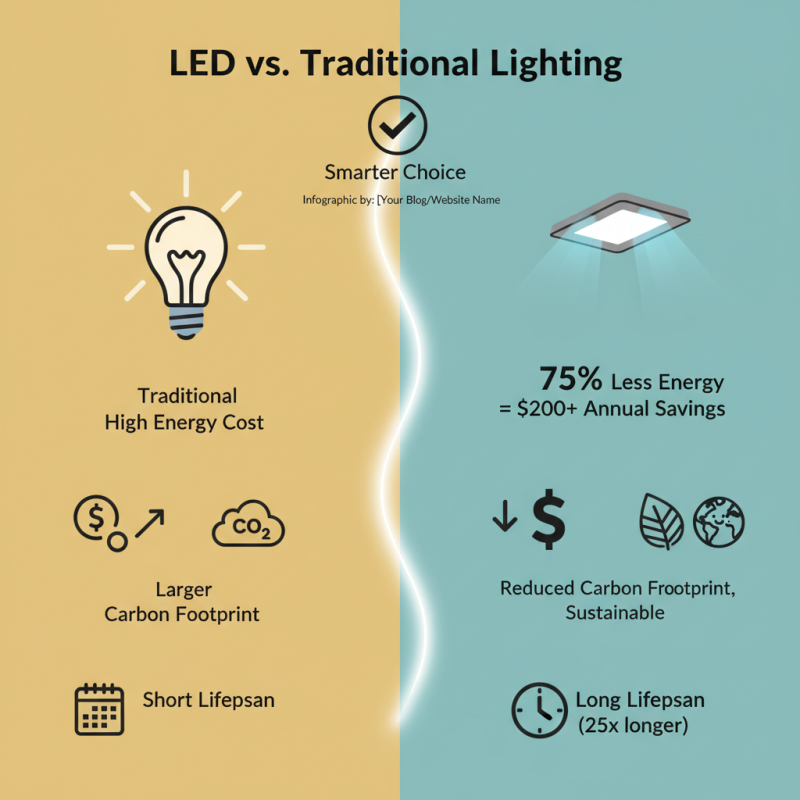
LED light fixtures offer distinct advantages over traditional lighting. Studies indicate that LED lights consume 75% less energy than incandescent bulbs. This energy efficiency translates into significant cost savings over time. For example, a typical household can save around $200 annually by switching to LED fixtures. These savings contribute to a lower carbon footprint, aligning with a greater push for sustainability.
Moreover, LED fixtures have a longer lifespan. On average, they last 25,000 to 50,000 hours, compared to just 1,000 hours for incandescent bulbs. This long operational life means fewer replacements, reducing waste. However, many still hesitate. The initial investment for LED technology tends to be higher than traditional options. Some people find it hard to overlook that upfront cost.
Light quality is another critical factor. LEDs provide better color rendering. This feature enhances environments like galleries and retail spaces. However, poor installation can lead to uneven lighting. The right fixtures and strategic placement are essential. Both LED and traditional lights have their pros and cons. Understanding these differences helps consumers make informed choices.



 Email
Email Whatsapp
 WeChat