2026 Top Led Light Fixture Trends and Innovations to Consider?
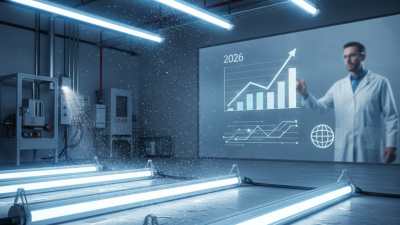
As the world moves towards sustainable energy solutions, LED light fixtures are becoming increasingly essential. The global LED lighting market is projected to reach $146.9 billion by 2026, according to Allied Market Research. This rapid growth reflects the shift towards energy-efficient technology and smart lighting solutions.
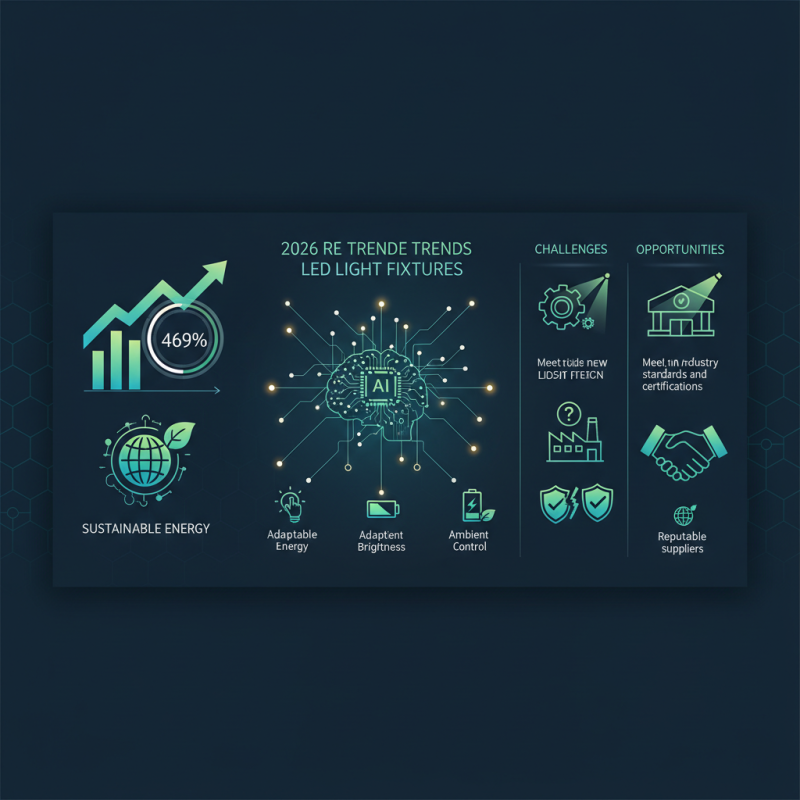
In 2026, innovations in LED light fixtures will focus on advanced manufacturing and intelligent features. The integration of AI in LED design enables precise customization to meet specific consumer demands. Smart LED fixtures will enhance user experiences through adaptable brightness and ambient controls, allowing energy savings without sacrificing quality.
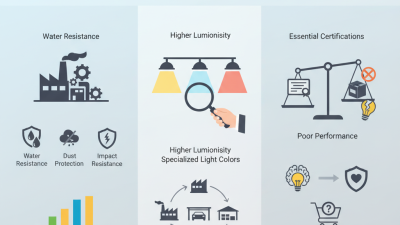
However, challenges remain. Not all manufacturers can meet the new industry standards for smart technology. Many smaller companies struggle with aligning their products to the latest certifications, like ISO and CE. The 139th Canton Fair will spotlight these advancements, showcasing the range of innovative LED solutions available. The importance of finding reputable suppliers is crucial in this evolving market.
2026 Innovative LED Light Fixtures: Emerging Trends in Sustainability
The future of LED lighting is more than just about brightness. Sustainability is becoming a core focus in design innovations. According to recent reports, nearly 75% of businesses plan to integrate eco-friendly designs by 2026. This shift is driven by consumer demand for greener products.
Emerging trends include materials made from recycled components. Designers are shifting from traditional materials to alternatives like bioplastics. These materials offer durability without harming the environment. In fact, studies show that using such materials can reduce carbon footprints by up to 30%. Moreover, energy-efficient technologies, such as smart sensors, are on the rise. They not only save energy but also enhance user convenience.
The challenge remains to implement these innovations at scale. While the ideas are promising, actual execution faces hurdles. Industries must balance cost with sustainability. Many companies hesitate to transition due to higher upfront costs. However, the long-term savings and environmental benefits could outweigh these initial investments. Reflecting on this dilemma, it’s clear that the journey towards greener LED solutions is complex, yet crucial.
2026 Top LED Light Fixture Trends and Innovations to Consider
| Trend/Innovation |
Description |
Sustainability Impact |
Expected Adoption Rate (%) |
| Smart Lighting Integration |
Integration of IoT technology for smarter control and energy management. |
Reduces energy waste and enhances user customization. |
75% |
| Solar-Powered LED Fixtures |
Uses solar energy to power LED lights, reducing reliance on grid electricity. |
Significantly lowers carbon footprint. |
60% |
| Recyclable Materials |
Use of eco-friendly and recyclable materials for fixtures. |
Minimizes waste and promotes circular economy. |
68% |
| Human-Centric Lighting |
Lighting designed to enhance well-being and productivity. |
Improves mental health and workplace productivity. |
82% |
| Advanced Thermal Management |
Innovative designs to improve heat dissipation and prolong fixture lifespan. |
Enhances efficiency and reduces waste. |
70% |
Smart Lighting Solutions: Integrating IoT and LED Technologies in 2026
In 2026, smart lighting solutions are set to integrate seamlessly with IoT and LED technologies. This innovation aims to enhance energy efficiency and user convenience. Imagine controlling your home’s lighting from your smartphone, adjusting the ambiance with just a swipe. These systems can learn your habits, turning lights on and off automatically. It’s a blend of comfort and technology, yet it also raises privacy concerns.
Tips for implementation: Start small. Upgrade a few fixtures at first. This allows you to understand the system without overwhelming yourself. Keep in mind the compatibility of your devices. Not all LED fixtures work with every IoT system. It’s essential to do your research.
The flexibility of smart lighting is intriguing. You can set schedules, change colors, and even sync with music. However, not every feature might work as expected. Some users notice connectivity issues. Be prepared to troubleshoot and adjust your expectations. Embrace the learning process, as technology often comes with challenges.
Energy Efficiency Standards: Impact of LED Adoption in Commercial Spaces
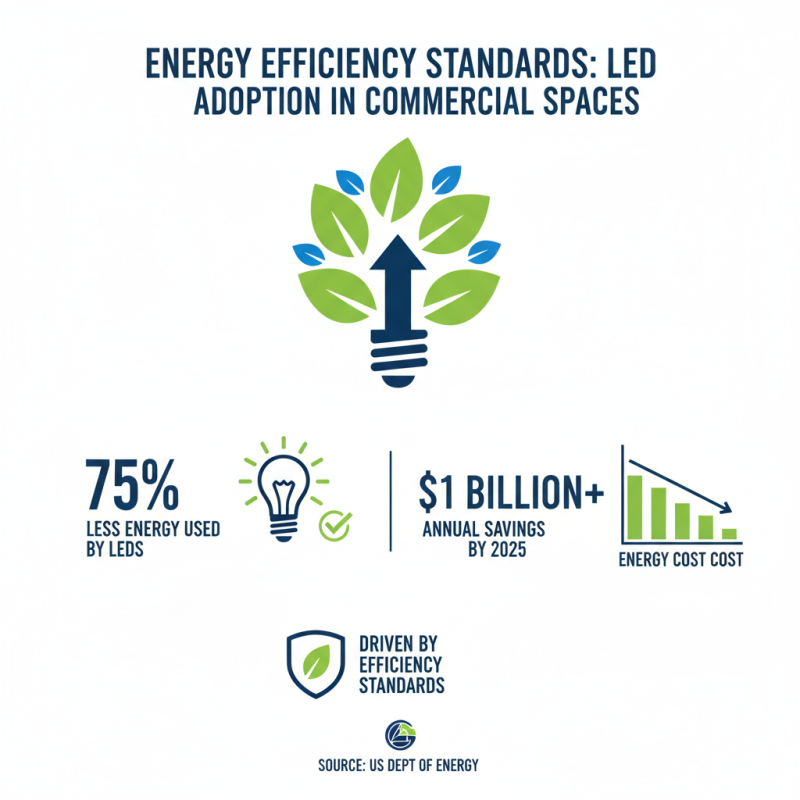
The shift towards LED lighting in commercial spaces is not just a trend; it’s a necessity driven by energy efficiency standards. According to a report by the U.S. Department of Energy, LED adoption could save commercial buildings more than $1 billion annually by 2025. This significant drop in energy costs stems from LEDs' ability to use up to 75% less energy than traditional lighting options.
However, while many businesses rush to adopt LEDs, the transition can be complicated. Not every facility is equipped to handle the integration of new technology. Legacy systems might require upgrades that demand additional capital investment. Furthermore, there’s a learning curve in understanding how to optimize LED performance in various environments. Some companies might struggle to find the right light levels, affecting employee productivity and overall ambience.
In many cases, these energy efficiency standards urge businesses to think critically about their lighting choices. The potential to reduce environmental footprints can clash with upfront costs. As organizations balance their budgets with ecological responsibilities, the challenge remains: how to adopt LED technology without compromising financial stability? Organizations must assess their long-term goals and make informed decisions about their lighting strategies.
Design Aesthetics: The Rise of Customizable LED Lighting Fixtures in 2026
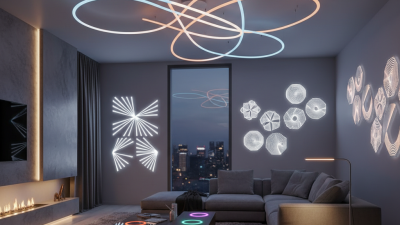
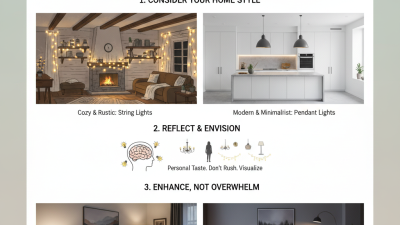
The aesthetic appeal of customizable LED lighting fixtures is reaching new heights in 2026. People increasingly seek lighting that reflects their unique style. These fixtures are no longer just functional; they are an essential part of interior design. The ability to adjust colors, shapes, and designs allows homeowners to express their creativity fully.
In homes and businesses, these customizable options are gaining popularity. Imagine a living room that shifts from warm amber tones to cool blue shades with a simple app. It creates atmosphere and mood effortlessly. While this innovation is exciting, the challenge lies in integrating these fixtures seamlessly. Sometimes, over-customization can lead to visual clutter.
Furthermore, not every design choice works well for every space. Some fixtures may look stunning in theory but fail to complement the room’s overall theme. Users may need to rethink their selections, leading to a trial-and-error process. Customizable LED lighting is a promising trend, yet it must be approached with thoughtfulness and clarity in vision.
Market Projections: Growth Potential of the LED Fixture Industry by 2026
The LED fixture industry is on a path of significant growth. By 2026, experts predict that innovations will drive this market. Energy efficiency remains a priority for consumers. Therefore, manufacturers are focusing on creating products that conserve energy while delivering high performance.
Smart lighting technology is emerging as a game-changer. These fixtures can adjust based on user preferences and environmental conditions. Implementing IoT features can enhance user experience. However, some consumers may find the technology complex. They might struggle with installation and usability. This presents a challenge for manufacturers to provide better support and education.
Sustainability is also a major trend. Eco-friendly materials and recycling initiatives are gaining traction. Still, not all manufacturers prioritize sustainability in their designs. Some may overlook these aspects in favor of cost savings. This creates a gap between consumer expectations and product offerings. Companies must address these needs to capture market potential.
2026 Top LED Light Fixture Trends and Innovations



 Email
Email Whatsapp
 WeChat