Top 10 Lighting Fixture Tips for Global Buyers to Consider
In the ever-evolving world of Lighting Fixtures, global buyers face a myriad of choices. The market is estimated to reach $159 billion by 2026, according to a report by Research and Markets. As energy efficiency becomes paramount, understanding the nuances of different fixtures is crucial. Notably, industry expert Dr. Emily Stanton emphasizes, “Lighting Fixtures not only illuminate spaces but also shape our daily experiences.”
Choosing the right Lighting Fixture requires more than just aesthetics. Factors like material, wattage, and design all play significant roles in functionality and energy consumption. Research indicates that LED Lighting Fixtures can reduce energy costs by up to 75% compared to traditional options. However, misleading information can lead buyers astray. Inconsistent quality and varied installations may reflect poorly on lighting performance.
Buyers must also be aware of regional standards and preferences. Cultural differences can affect lighting styles and requirements. What works in one country may not suit another market. The right Lighting Fixture can elevate a space and enhance mood, but buyers must remain vigilant and informed about the options available.
Understanding Different Types of Lighting Fixtures and Their Uses
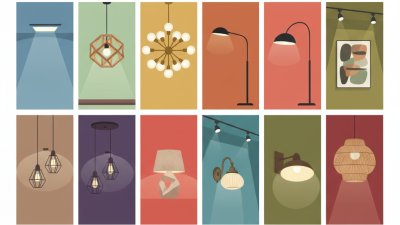
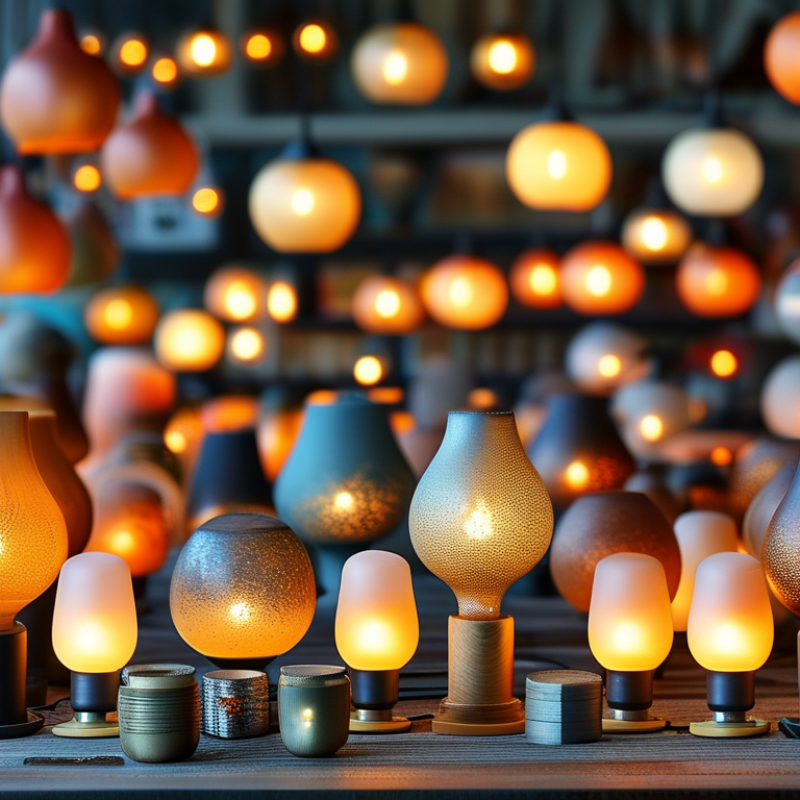
When considering lighting fixtures, understanding the various types and their uses is crucial. Ceiling lights are among the most common. They provide a broad wash of light, ideal for living rooms or kitchens. Pendant lights, on the other hand, are perfect for creating a focal point. Hanging above dining areas, they add style and direct illumination.
Floor lamps and table lamps offer versatility. They can elevate the design of any room while providing task lighting. Wall sconces are another option, adding ambiance and freeing up space on surfaces. However, improper placement can lead to shadows or uneven lighting, requiring careful planning.
Natural light should also be considered. It affects the overall atmosphere in a space. Using fixtures that complement natural light can enhance a room’s appeal. However, balancing artificial and natural light can be tricky. Buyers often overlook this aspect, leading to a less inviting environment. Always assess your room's layout before making a decision.
Top 10 Lighting Fixture Tips for Global Buyers
Evaluating Energy Efficiency Ratings in Lighting Fixtures
When evaluating lighting fixtures, energy efficiency ratings play a crucial role in decision-making. The U.S. Department of Energy reported that lighting accounts for approximately 15% of residential electricity consumption. Thus, selecting energy-efficient fixtures could lead to significant cost savings over time. Understanding labels like Energy Star can offer insights into a fixture’s efficiency. Energy Star-rated products use about 70% less energy than traditional options.
However, not all energy-efficient fixtures are created equal. Some may claim efficiency without substantial verification. Buyers should be vigilant about third-party certifications. Research points out that LED fixtures are among the most efficient, often consuming 75% less energy than incandescent bulbs. Yet, they also have a higher upfront cost, which can deter some buyers.
It's critical to consider both short-term costs and long-term savings. A report from the National Renewable Energy Laboratory suggests that investing in high-rated fixtures typically yields savings within two years. Still, prospective buyers must weigh these figures against their individual circumstances. As lighting technology evolves continuously, staying informed is essential to make the best investment.
Key Design Trends in Lighting Fixtures for Modern Spaces
Modern lighting fixtures are evolving, responding to the needs of contemporary spaces. As reported by the Global Industry Analysts, the global lighting market is projected to reach $170 billion by 2026. This growth highlights the importance of design trends that cater to consumers' preferences.
One key trend is the shift towards sustainable materials. Eco-friendly options are becoming a priority for buyers. According to the U.S. Green Building Council, buildings using sustainable lighting are 20% more energy-efficient. This demand for lower environmental impact is evident in emerging designs that incorporate recycled metals and natural fibers.
Another trend is the influence of smart technology. The integration of smart lighting systems offers convenience and energy savings. A report from Navigant Research indicates that the global smart lighting market is set to grow to $75 billion by 2025. Buyers must consider how these technologies enhance user experience while also offering aesthetic appeal. However, constant advancements raise questions about compatibility and longevity. As the industry moves forward, addressing these concerns is essential for both buyers and designers.
Top 10 Lighting Fixture Tips for Global Buyers to Consider
| Tip Number |
Design Trend |
Description |
Recommended Material |
Ideal Room Type |
| 1 |
Sustainable Materials |
Choose fixtures made from eco-friendly materials. |
Bamboo, Recycled Metal |
Living Rooms, Bedrooms |
| 2 |
Minimalist Designs |
Simple and sleek designs that complement modern decor. |
Glass, Aluminum |
Hallways, Offices |
| 3 |
Smart Lighting |
Integration with smart home systems for versatility. |
LED, Smart Technology |
All Rooms |
| 4 |
Vintage and Retro |
Bringing classic styles back into modern spaces. |
Brass, Iron |
Kitchens, Dining Areas |
| 5 |
Bold Colors |
Use of bright colors to create focal points. |
Colored Glass, Painted Metal |
Lounge Areas, Kids’ Rooms |
| 6 |
Layered Lighting |
Combination of ambient, task, and accent lighting. |
LED, Fluorescent |
Offices, Studios |
| 7 |
Large Fixtures |
Oversized lamps and chandeliers for impact. |
Crystal, Metal |
Entryways, Great Rooms |
| 8 |
Natural Elements |
Incorporating elements that reflect nature. |
Wood, Stone |
Spas, Homes |
| 9 |
Geometric Shapes |
Futuristic designs with unique shapes. |
Metal, Plastic |
Modern Offices, Creative Spaces |
| 10 |
Customizable Lighting |
Fixtures that can be altered for various needs. |
Hybrid Materials |
All Types of Rooms |
Selecting the Right Materials for Durability and Aesthetics
When selecting lighting fixtures, the choice of materials is crucial. Durable materials ensure longevity and performance, while aesthetics enhance the overall design of a space.
Metal fixtures are strong and weather-resistant. They can withstand the elements, making them suitable for both indoor and outdoor use. However, they can be prone to rust if not properly finished.
Glass provides elegance and can diffuse light beautifully. Yet, it is fragile and can shatter easily, demanding careful handling.
Wood adds warmth and character to any room, but it may require maintenance to resist moisture and pests.
Consider these tips for material selection: Choose materials that align with your environment. For example, in humid areas, metal with anti-corrosion treatment works well. Evaluate the maintenance required for each. Some materials may need more care, affecting their long-term appeal. Remember, the aesthetic impact should never compromise durability. Balancing both is an art that requires thoughtful consideration.
Navigating International Regulations and Standards for Lighting Products
Navigating international regulations and standards for lighting products can be daunting. Different regions have unique requirements that impact design and safety. Understanding these variations is crucial for global buyers. Compliance with local norms not only ensures safety but also helps in building consumer trust.
One common suggestion is to research local certifications. Different countries prioritize various standards, like energy efficiency and materials safety. Manufacturer labels may not always signify compliance, so verification is key. Consider creating a checklist to track these vital regulations.
Another aspect often overlooked is labeling requirements. Labels provide essential information for consumers. Incorrect or misleading labels can lead to distrust and potential legal issues. Assess all documentation carefully to ensure accuracy. By focusing on these details, buyers can enhance the reliability of lighting products while mitigating risks.



 Email
Email Whatsapp
 WeChat