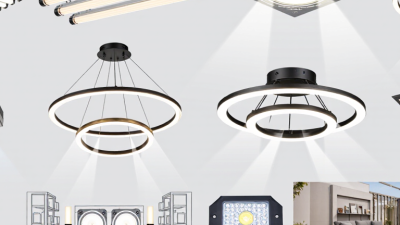
What Are the 2026 Top Moisture-Proof Lamp Types?
Choosing the right Moisture-Proof Lamp in 2026 requires more than comparing brightness or modern appearance. Damp locations expose fixtures to condensation, splashing water, dust, temperature changes, and repeated cleaning. A reliable lamp must match the actual environment, not just a product photograph.
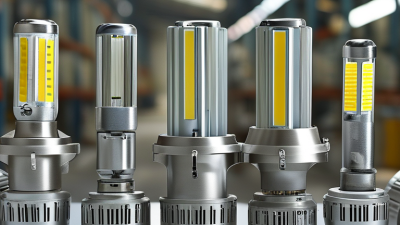
This guide examines the leading moisture-resistant options expected to remain important in 2026. They include IP65 and IP66 LED fixtures, vapor-tight linear lamps, tri-proof lights, sealed outdoor wall lamps, and selected smart lighting systems. Each type offers different strengths. A vapor-tight fixture suits parking areas and workshops, while a sealed wall lamp may work better beside a covered entrance. Check the IP rating carefully. It describes tested protection against solids and water, but it does not guarantee perfect performance in every installation. That distinction matters.
Practical experience also shows that heat management, gasket quality, lens durability, and cable entry design affect long-term reliability. A bright fixture can still fail early if moisture enters through a poorly sealed connection. Small details matter. Product data, installation instructions, and recognized testing information should guide the final decision. Local electrical requirements must also be confirmed by a qualified professional.
No ranking is permanent. Conditions vary. A coastal warehouse, a humid bathroom, and an unheated garage create different risks. This overview offers a careful starting point, while acknowledging that real performance depends on installation quality, maintenance, and honest product specifications.
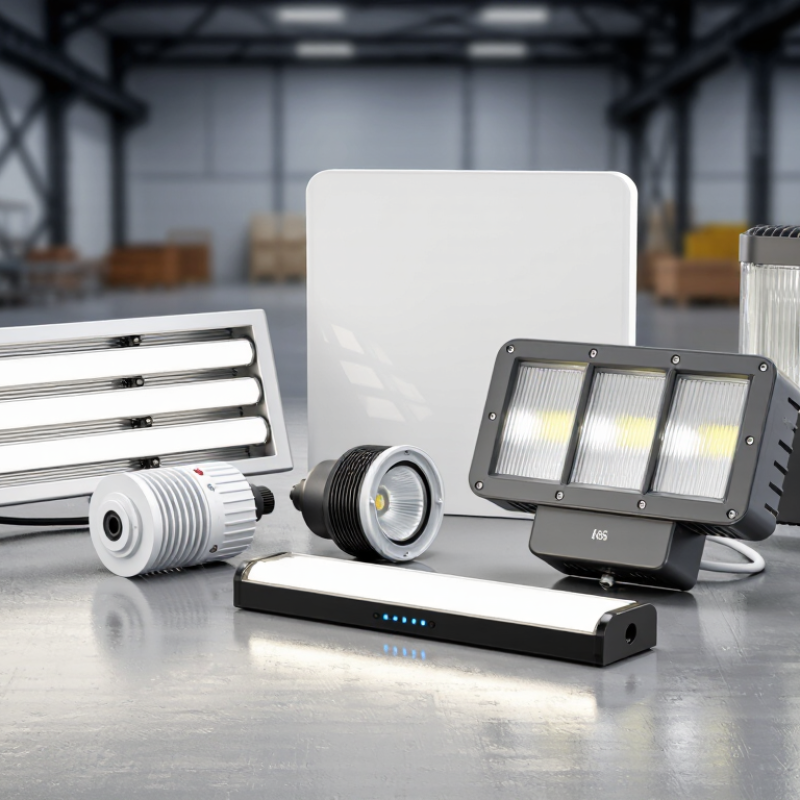
What Makes a Lamp Moisture-Proof in 2026?
In 2026, a moisture-proof lamp is defined by its enclosure, not by a reassuring label. The housing should limit water entry around the lens, wiring chamber, joints, and cable gland. An IP rating, tested under IEC 60529 procedures, offers a clearer reference. IP65 resists dust and water jets, while IP67 adds temporary immersion protection. These ratings describe laboratory tests, not every installation condition. Good distinction.
Look for UV-stable polycarbonate, corrosion-resistant metal, and silicone or EPDM gaskets. These seals should remain flexible through temperature changes. A tightly sealed lamp still needs effective thermal control. Heat trapped inside can age LEDs, drivers, and seals faster. Drainage design also matters when condensation forms after a cold night. In practical checks, inspect screws, gasket compression, and cable entry points. Tiny gaps matter.
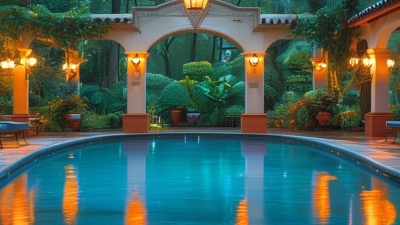
Reliable documentation should show the test method, rating, operating temperature, and maintenance limits. Independent laboratory evidence is more useful than vague claims like “weather ready.” Installers should match the rating to each location. Covered patios differ from poolside ceilings, washdown areas, or coastal walls. I would not assume a higher IP number solves everything. Salt, cleaners, vibration, and incorrect mounting can still cause failure. Not a perfect shield. Moisture-proof is not permanent waterproofing, and that wording deserves skepticism.
What Are the 2026 Top Moisture-Proof Lamp Types?
What Makes a Lamp Moisture-Proof in 2026?
In 2026, moisture-proof lighting is primarily identified by an appropriate IP rating under IEC 60529. The second IP digit indicates water protection: 4 means protection from splashing water, 5 from water jets, 6 from powerful water jets, and 7 from temporary immersion.
The chart shows representative IP targets for common moisture-exposed lamp types. Actual requirements depend on installation location, water exposure, condensation, mounting position, and local electrical codes.
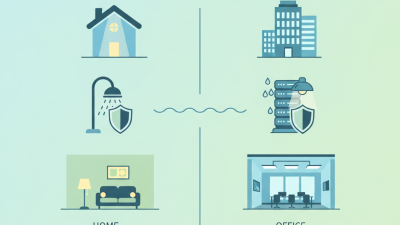
Which Moisture-Proof Lamp Types Suit Different Environments?
Moisture-proof lamps should match the environment, not just the room name. In garages, workshops, and covered walkways, vapor-tight LED fixtures with sealed housings work well. Their smooth lenses resist dust, splashes, and frequent cleaning. IP65 protection suits heavy spray, while IP66 handles stronger water jets. IP ratings still need careful checking.
Bathrooms need a different balance. An IP44 lamp can suit areas away from direct spray. Near showers or tubs, choose a higher rating and follow local electrical requirements. Recessed moisture-resistant lights keep ceilings visually clean. However, poor ventilation can trap condensation above the ceiling. That problem is easy to miss.
Cold rooms need lamps rated for low temperatures. Standard fixtures may flicker, dim, or start slowly in freezing spaces. Food preparation areas benefit from sealed, easy-clean fixtures with impact-resistant covers. Greenhouses need corrosion-resistant housings because warm air and fertilizer residue can attack metal.
Coastal buildings require extra protection against salty air. Use marine-grade materials where available. A common field mistake is choosing a high IP rating while ignoring corrosion resistance. Sealing alone does not prevent rust.
For demanding washdown areas, inspect gaskets, cable entries, and mounting points regularly. Small gaps matter. Also, replace cracked lenses quickly, even when the lamp still works.
How to Choose, Install, and Maintain a Moisture-Proof Lamp Safely
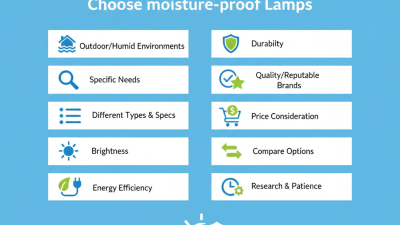
Moisture-proof lamps in 2026 commonly include sealed LED vapor-tight fixtures, bulkhead lamps, and recessed wet-location models. Their housings resist splashes, steam, and dust. Check the IP rating before buying. A higher rating usually offers stronger protection, but the mounting location still matters. A bathroom ceiling, covered balcony, and open wash area may need different products.
Choose a lamp designed for the exact environment. Confirm its voltage, mounting surface, and heat tolerance. Turn off the circuit before installation. Do not rely only on the wall switch. For hardwired fixtures, use a qualified electrician and follow local electrical requirements. Keep cable entries sealed, and position the gasket evenly. A pinched gasket can quietly invite water. I once assumed a tight-looking cover was safe; later, condensation showed that assumption was wrong.
Tips: Wipe the diffuser with a soft, damp cloth. Avoid spraying cleaner directly onto the fixture. Inspect seals, screws, and cable glands every few months. Look for clouding, rust, flickering, or warm plastic. Disconnect power before opening the housing. Replace damaged seals promptly. Never install a dry-location lamp in a wet area, even if it looks well protected. Test the lamp after installation, but stop immediately if moisture appears inside. When uncertain, ask an electrician to inspect the circuit and the fixture.



 Email
 Whatsapp

 WeChat