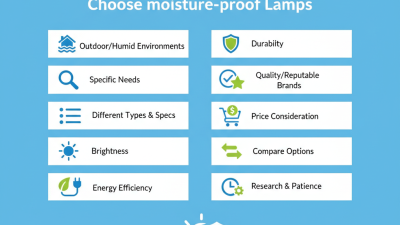
Top 10 Tri-Proof Lighting Fixtures for Global Buyers?
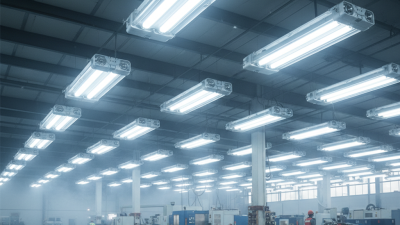
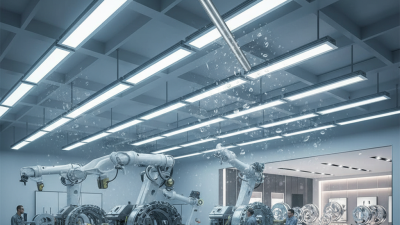
In today's rapidly evolving market, selecting the right Tri-Proof Lighting Fixtures is essential for both safety and efficiency. These fixtures are specifically designed to withstand harsh conditions, such as moisture, dust, and impact. Their durability makes them ideal for various settings, including industrial facilities, warehouses, and outdoor spaces.
Various manufacturers offer a range of Tri-Proof Lighting Fixtures with unique features. Customers need to weigh their options carefully. Some fixtures excel in energy efficiency, while others focus on high brightness. Understanding these differences can lead to better decisions.
However, buyers should remain cautious. Not all products labeled as Tri-Proof Lighting Fixtures meet the same quality standards. Some may fail under demanding conditions. Investing time in research can help avoid disappointments. By considering expert recommendations and user reviews, buyers can make informed choices that enhance their environments.
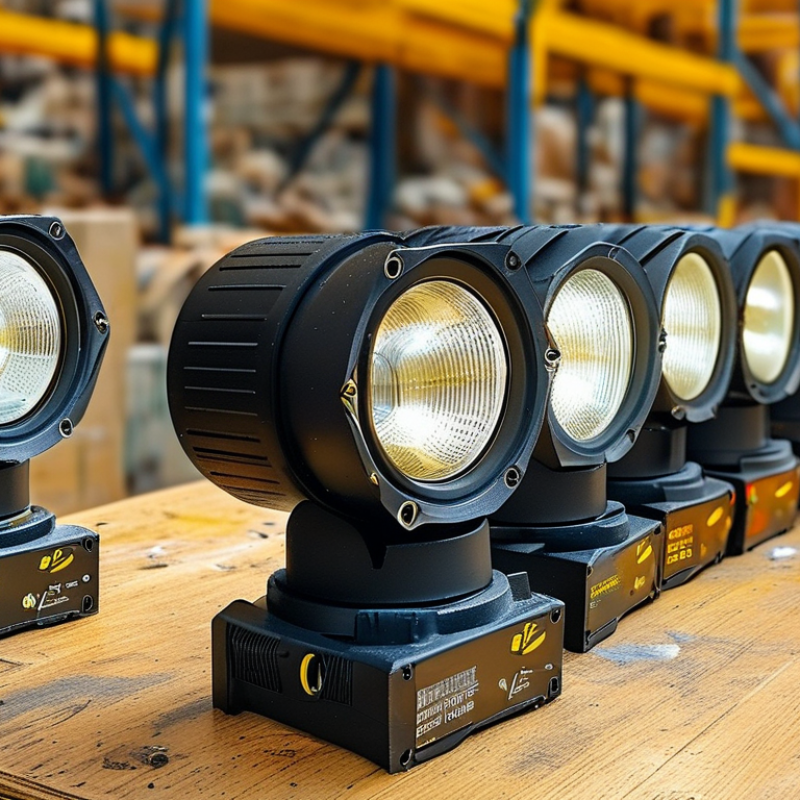
Top 10 Tri-Proof Lighting Fixtures for Global Buyers
Tri-proof lighting fixtures are essential for various industries, particularly in settings exposed to moisture, dust, or corrosive elements. These fixtures are designed to withstand harsh conditions while providing optimal illumination. According to industry reports, the global market for tri-proof lighting is expected to grow significantly, reflecting a rising demand for reliable and durable lighting solutions.
When selecting tri-proof lighting fixtures, it's crucial to consider the IP rating. A higher IP rating indicates better protection against dust and water. Many experts recommend fixtures with at least an IP65 rating for outdoor use. Furthermore, the energy efficiency of these lights cannot be overlooked. LED tri-proof fixtures offer up to 80% energy savings compared to traditional options. This is not only cost-effective but also aligns with sustainability goals.
Tip: Always assess the specific environment where the lighting will be installed. Different conditions require different specifications. Don't compromise on quality, as inferior fixtures may lead to increased maintenance costs over time. It's also wise to collect feedback from those who have used such products. Real-world experiences can provide insights that data alone may not capture.
Understanding Tri-Proof Lighting: Definition and Key Features
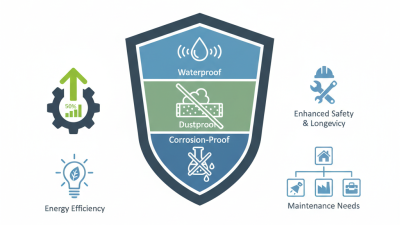
Tri-proof lighting fixtures have gained popularity due to their durability and performance in challenging environments. These fixtures are designed to resist water, dust, and corrosion. They are ideal for locations like warehouses, factories, and outdoor areas.
According to a recent market report, the demand for tri-proof lights is expected to grow by 10% annually through 2025. This growth highlights the need for reliable solutions in various industries.
The key features of tri-proof lighting include sturdy construction, energy efficiency, and versatility. For example, many models utilize LED technology, which significantly reduces energy consumption. A study by the Department of Energy suggests that LED lighting can consume up to 75% less energy than traditional bulbs. This makes tri-proof fixtures not only environmentally friendly but also cost-effective.
Tips: Consider the IP rating when choosing tri-proof lighting. An IP rating of 65 or higher is recommended for outdoor use. Additionally, assess the lumens output to ensure adequate brightness for your space. Proper installation can also enhance performance; sealing and securing fixtures correctly will extend their lifespan. Remember, the benefits of tri-proof lighting may come with a higher upfront cost, but the long-term savings can be substantial. Evaluate your specific needs before making a decision.
Market Analysis: Current Demand and Growth Trends in Tri-Proof Lighting
The tri-proof lighting market is experiencing noteworthy growth. A report by MarketsandMarkets indicates a compound annual growth rate (CAGR) of 5.5% from 2023 to 2028. This growth is driven by increasing demand in industrial and commercial sectors, especially in environments requiring humidity and dust resistance.
Global factors, including urbanization and energy efficiency regulations, are amplifying the need for tri-proof lighting. The global market for these fixtures is predicted to reach USD 4.5 billion by 2028. Investment in infrastructure and the rise of smart lighting technologies are crucial elements pushing this trend forward.
Tip: When considering tri-proof lighting, evaluate the specific environmental conditions of the installation area. It’s essential to choose fixtures that match the operational needs.
Despite these promising trends, some challenges still exist. Many buyers may overlook the importance of installation and maintenance requirements. Proper training and resources can help mitigate these concerns.
Tip: Always consult with experienced professionals before making significant lighting purchases. Their insights can lead to better decisions and fewer complications.
Technical Specifications: Key Features of High-Quality Tri-Proof Fixtures
Tri-proof lighting fixtures are essential for various environments, including industrial spaces and outdoor areas. They offer protection against moisture, dust, and impact. When selecting high-quality fixtures, consider key technical specifications that affect performance and durability.
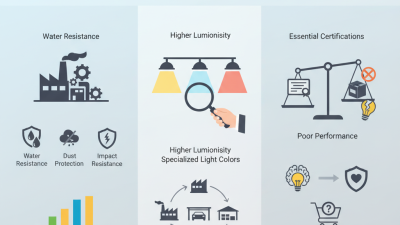
Key features include ingress protection ratings (IP ratings). Look for fixtures with an IP65 rating or higher. This ensures they can withstand dust and water exposure effectively. Fixture material is also crucial. High-quality materials like polycarbonate and aluminum enhance longevity and resistance to extreme conditions. Pay attention to the lumen output, which indicates brightness. A higher lumen output ensures better visibility without consuming excessive energy.
Tips: Always check for warranty details. A reliable warranty indicates confidence in the product. Ask about installation requirements, as improper installation can reduce fixture effectiveness. Regular maintenance checks ensure optimal performance over time. Choose fixtures that balance quality and affordability. Investing in better quality reduces replacement frequency.
In reflecting on your needs, consider the specific environment where the fixtures will be used. Different settings may require different specifications. By analyzing the work atmosphere, you can make an informed choice that aligns with safety and efficiency goals.
Top 10 Tri-Proof Lighting Fixtures for Global Buyers
| Model |
Wattage |
Lumens |
IP Rating |
Dimensions (mm) |
Material |
Lifespan (hours) |
| Model A |
40W |
4000 lm |
IP65 |
1200 x 90 x 70 |
Aluminum |
50000 |
| Model B |
50W |
5000 lm |
IP66 |
1300 x 100 x 80 |
Polycarbonate |
60000 |
| Model C |
60W |
6000 lm |
IP67 |
1400 x 110 x 90 |
Aluminum |
70000 |
| Model D |
70W |
7000 lm |
IP64 |
1500 x 120 x 100 |
Polycarbonate |
80000 |
| Model E |
80W |
8000 lm |
IP68 |
1600 x 130 x 110 |
Aluminum |
90000 |
| Model F |
90W |
9000 lm |
IP65 |
1700 x 140 x 120 |
Polycarbonate |
100000 |
| Model G |
100W |
10000 lm |
IP66 |
1800 x 150 x 130 |
Aluminum |
110000 |
| Model H |
110W |
11000 lm |
IP67 |
1900 x 160 x 140 |
Polycarbonate |
120000 |
| Model I |
120W |
12000 lm |
IP68 |
2000 x 170 x 150 |
Aluminum |
130000 |
| Model J |
130W |
13000 lm |
IP65 |
2100 x 180 x 160 |
Polycarbonate |
140000 |
Comparative Review: Leading Brands and Their Best-Selling Models
When it comes to choosing tri-proof lighting fixtures, several brands stand out in the global market. A recent report from the Lighting Industry Association indicates that tri-proof lights are increasingly popular due to their versatility and durability. These fixtures are designed to withstand harsh environments, such as moisture, dust, and extreme temperatures. Some top models have been shown to reduce maintenance costs by over 30% due to their robust design.
In a comparative analysis of leading brands, data shows that temperature and humidity ratings are crucial. The most successful models maintain functionality in temperatures ranging from -40°C to 60°C. Additionally, these fixtures guarantee a high IP rating, which promises protection against water and dust ingress. Buyers often seek products that not only meet industry standards but exceed them, ensuring reliability in both commercial and industrial settings.
However, while many brands excel in performance, there are always areas for improvement. Some fixtures face issues with brightness consistency over time, leading to potential light flicker. This can be a significant concern for environments that rely on steady illumination. Ensuring a balance between energy efficiency and output quality remains a challenge in product development. As users become more discerning, the need for innovation is clear.
Conclusion
Tri-Proof Lighting Fixtures are essential for environments that require durability against water, dust, and extreme temperatures. This article highlights the top ten options available for global buyers, while defining tri-proof lighting and detailing its key features. There is a significant market demand for these fixtures, as businesses seek reliable solutions that offer longevity and efficiency.
The summary continues with an analysis of the technical specifications that distinguish high-quality tri-proof fixtures, emphasizing their performance attributes. A comparative review discusses the leading brands and their most popular models, serving as a guide for customers looking to make informed purchasing decisions. Finally, the article provides best practices for installation and maintenance to ensure the extended lifespan and optimal functioning of these vital lighting solutions.



 Email
Email Whatsapp
 WeChat