2026 How to Choose the Right Lighting Fixture?
Choosing the right Lighting Fixture in 2026 requires more than matching a lamp to a room’s color scheme. It demands careful attention to human comfort, energy use, maintenance, control systems, and the space’s real purpose. A kitchen needs clear task lighting, while a bedroom may require softer, warmer illumination. Small details matter, including glare on a laptop screen, shadows beneath cabinets, and the distance between a pendant and a dining table.
Lighting designer Richard Kelly described light as “the medium of vision.” His observation remains practical today. A fixture should support how people see, move, work, and rest. My experience with residential and commercial lighting projects shows that many poor choices begin with appearance alone. A polished metal finish can attract attention, yet the beam angle may leave a work surface unevenly lit. An impressive specification sheet can also hide complicated installation or expensive replacement parts.
There is no perfect choice.
This guide explores how to compare brightness, color temperature, color rendering, beam spread, dimming performance, durability, and smart controls. It also considers room scale and maintenance access, because a beautiful fixture is frustrating when cleaning requires special equipment. Product labels should be checked carefully, and technical claims should be verified through reliable manufacturer data. Local electrical requirements and professional installation also deserve attention.
Some recommendations may need revision. Technology changes quickly, and personal comfort cannot be measured completely by numbers. The best decision combines tested performance, practical experience, expert advice, and honest reflection about how the space will actually be used.
Define Your Lighting Needs and Room Requirements
Define Your Lighting Needs and Room Requirements
Choosing the right lighting fixture starts with observing the room, not browsing products. Ask what you do there each day. A kitchen needs clear task lighting over counters, while a bedroom usually benefits from softer, warmer illumination. Measure the ceiling height, table size, and available wiring before making a decision. These details affect scale, installation, and visual comfort. I have sometimes chosen a beautiful fixture that felt too large in a small room. It looked impressive online, but crowded the space in person.
Tips:
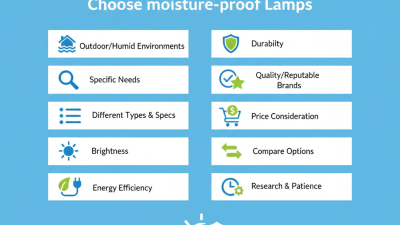
Sketch the room and mark every activity zone. Check the fixture’s lumen output, color temperature, and beam direction. Warm light around 2700–3000K often suits relaxing areas, while neutral light can support focused work. For bathrooms or covered outdoor spaces, confirm the appropriate moisture rating. Never rely on appearance alone.
Layered lighting usually creates a more useful room. Combine ambient light for general visibility, task light for detailed work, and accent light for texture or artwork. Keep switches accessible, and consider dimming where moods change throughout the day. A low ceiling may need a flush fixture instead of a hanging pendant. In a narrow hallway, a compact wall light can reduce visual clutter. Technical labels can be confusing, and I still double-check them against the room’s actual use. That extra pause prevents glare, dark corners, and expensive replacements.
Choose the Right Fixture Type for Each Space
2026 How to Choose the Right Lighting Fixture?
Choose the Right Fixture Type for Each Space
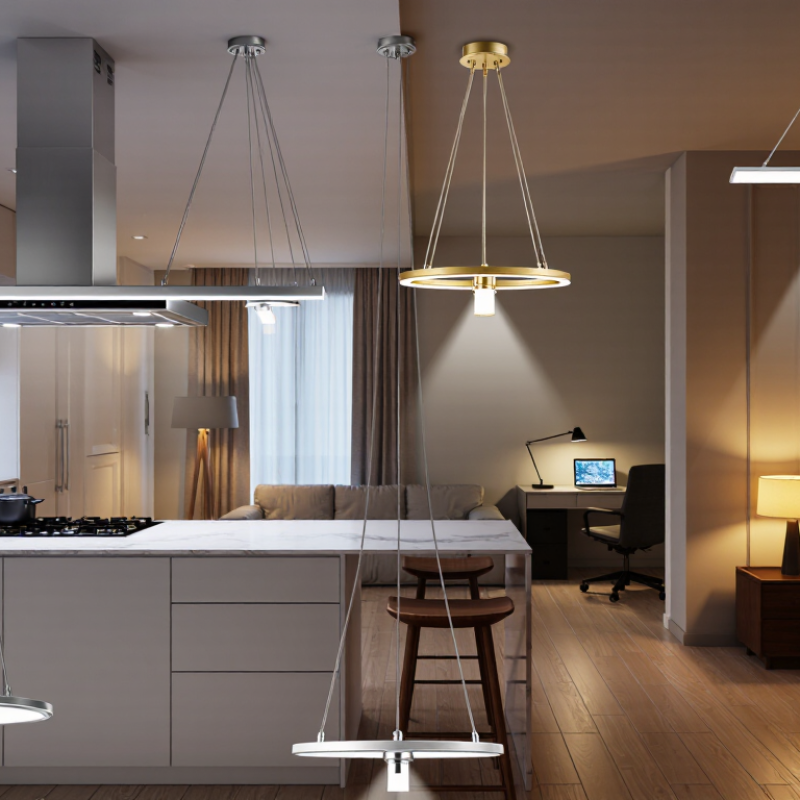
A fixture should match the room’s task, height, and daily rhythm. In a kitchen, recessed downlights provide clear task lighting over counters. Add under-cabinet fixtures to reduce shadows near chopping areas. For dining spaces, a pendant creates focus above the table. Keep its lower edge roughly 75–90 centimetres above the surface.
Bedrooms need softer, layered lighting. Use wall-mounted reading fixtures beside the bed instead of one harsh ceiling source. In hallways, compact ceiling or wall fixtures offer safe, even guidance. Bathrooms require moisture-rated fixtures, especially near showers. This detail is easy to overlook.
Lighting efficiency also deserves attention. The International Energy Agency reports that lighting uses about 15% of global electricity. The U.S. Department of Energy states that LED products can use at least 75% less energy than incandescent lighting and last up to 25 times longer. Still, efficiency alone cannot fix poor placement. A bright fixture aimed at a mirror may create glare, not comfort.
I often recommend testing one fixture before ordering many. Observe the room at night. Does the floor feel bright, while the work surface remains dull? That mismatch happens more often than expected. Color temperature, beam spread, dimming, and mounting height should be checked together. The perfect fixture on paper may feel wrong in your actual room.
Match Light Output, Color Temperature, and Beam Direction
2026 How to Choose the Right Lighting Fixture?
Match Light Output, Color Temperature, and Beam Direction
Choosing a lighting fixture starts with the task, not the appearance. A kitchen worktop needs stronger, focused light than a hallway. I usually compare lumens with room size and surface use. Lumens show total light output, while lux describes light reaching a surface. Check both when possible.
Color temperature changes the room’s mood and function. Warm white light, around 2700–3000K, feels comfortable in bedrooms and living areas. Neutral white, around 3500–4000K, often supports kitchens, offices, and workshops. Very cool light can look harsh at night. It may also reveal colors differently than expected. Check the color rendering index when accurate material colors matter.
Beam direction deserves equal attention. A narrow beam can highlight artwork or a dining table. A wide beam spreads light across a corridor or open room. Adjustable fixtures help when furniture changes. However, too many adjustable lights can create uneven brightness and glare. My first lighting layouts often used excessive output, assuming brighter was always better. That approach felt tiring after several hours. Measure the mounting height, review the fixture’s photometric data, and test one sample before installing many units. A qualified electrician should also verify wiring, load limits, and installation conditions.
Compare Fixture Materials, Efficiency, and Smart Features
How to Choose the Right Lighting Fixture?
Compare Fixture Materials, Efficiency, and Smart Features
Choosing a lighting fixture starts with the room, not the trend. In my experience, material affects heat control, durability, and maintenance. Aluminum helps fixtures release heat, while steel offers strength in larger housings. Glass produces a solid, refined feel, but it can add weight and breakage risk. Some plastics resist moisture and impact, yet cheaper versions may discolor near heat. Check the construction closely.
Efficiency requires more than a low wattage number. Compare lumens per watt, expected lifetime, and light distribution. A fixture with high output may still waste light on walls or ceilings. Look for accurate color rendering when selecting kitchen, bathroom, or workspace lighting. A documented safety certification and clear warranty also improve reliability. Labels can be confusing. I have trusted attractive efficiency claims before, then found poor dimming performance in daily use.
Smart features should solve a real problem. Dimming, scheduling, occupancy sensing, and adjustable color temperature can reduce energy use and improve comfort. Confirm that controls work with your existing wiring and preferred communication system. Privacy settings matter for connected fixtures with microphones or network access. Automatic updates are useful, but compatibility can change over time. Keep manual control available. It is a small safeguard when the app fails, the network drops, or the technology becomes outdated.
Check Installation Methods, Safety Standards, and Maintenance Needs
2026 How to Choose the Right Lighting Fixture?
Installation method should match the room, ceiling structure, and access to wiring. A recessed fixture needs measured clearance above the ceiling. A wall-mounted fixture requires secure anchors and protection from hidden cables. Track lighting needs a stable rail and a circuit that supports its total load. I once underestimated ceiling depth, and the housing pressed against insulation. That mistake delayed the installation.
Safety standards deserve careful attention. Check the fixture’s electrical rating, grounding requirements, and protection against moisture. Bathrooms, kitchens, and covered outdoor areas may need damp or wet-location certification. Follow the applicable local electrical code, and use a qualified electrician for fixed wiring. Turn off the circuit at the breaker, then verify that power is absent with a tested meter. Labels can be confusing. Recheck them.
Maintenance needs should influence the choice before purchase. Select accessible lamps, replaceable drivers, or sealed units only when their service life suits the location. Dust can collect around vents and reduce heat dissipation. Clean surfaces with a dry or slightly damp cloth, never spray liquid into openings. Inspect loose covers, flickering light, discoloration, and unusual heat every few months. Some fixtures promise low maintenance, but replacement parts may be difficult to source. That detail is easy to miss.
2026 How to Choose the Right Lighting Fixture?
Compare common IP protection ratings when evaluating installation location, electrical safety, and maintenance requirements. The first IP digit indicates protection against solid objects and dust; the second indicates protection against water.
Installation Methods
Confirm whether the fixture is designed for surface-mounted, recessed, suspended, or track installation. Check ceiling support, cable routing, ambient temperature, and access for future servicing.
Safety Standards
Verify applicable requirements such as IEC 60598-1 for luminaires, IEC 60529 for IP ratings, and IEC 62471 for photobiological safety. Local electrical regulations always take priority.
Maintenance Needs
Select fixtures with accessible drivers, replaceable components where required, cleanable surfaces, and suitable seals. Isolate power before inspection and check glands, covers, wiring, and mounting points.



 Email
 Whatsapp

 WeChat