Best Tri-Proof Lighting Fixtures for Global Buyers in 2026?
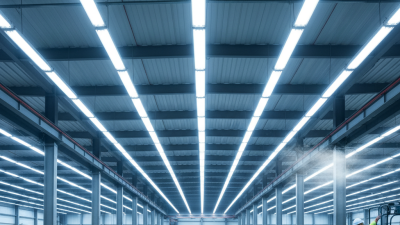
The demand for Tri-Proof Lighting Fixtures is rapidly increasing as industries seek durable and energy-efficient lighting solutions. According to a recent report by Grand View Research, the global market for these fixtures is projected to reach $3.5 billion by 2026, highlighting a CAGR of 5.8%. This growth stems from their resistance to water, dust, and impactful conditions, making them ideal for various applications, including warehouses and industrial settings.
As we navigate this evolution, buyers must examine key factors when selecting Tri-Proof Lighting Fixtures. The importance of quality and reliability cannot be overstated. Some manufacturers might prioritize cost over performance, leading to subpar products. This choice could result in increased maintenance costs and lower energy savings. It's essential to weigh the balance between upfront costs and long-term benefits.
Additionally, advancements in LED technology have enhanced the efficiency and longevity of these fixtures. However, understanding the specifications and certifications of products can be daunting. Buyers need to focus on reputable brands known for durability and customer support. Thoughtful consideration will ensure a wise investment in robust lighting solutions.
Overview of Tri-Proof Lighting Fixtures and Their Benefits
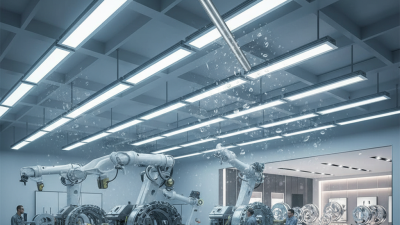
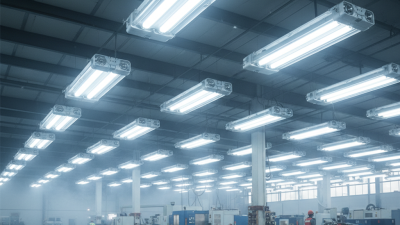
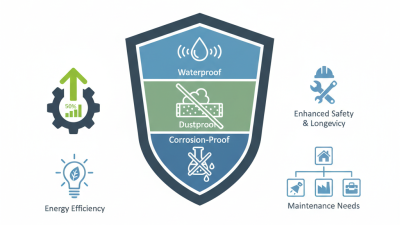
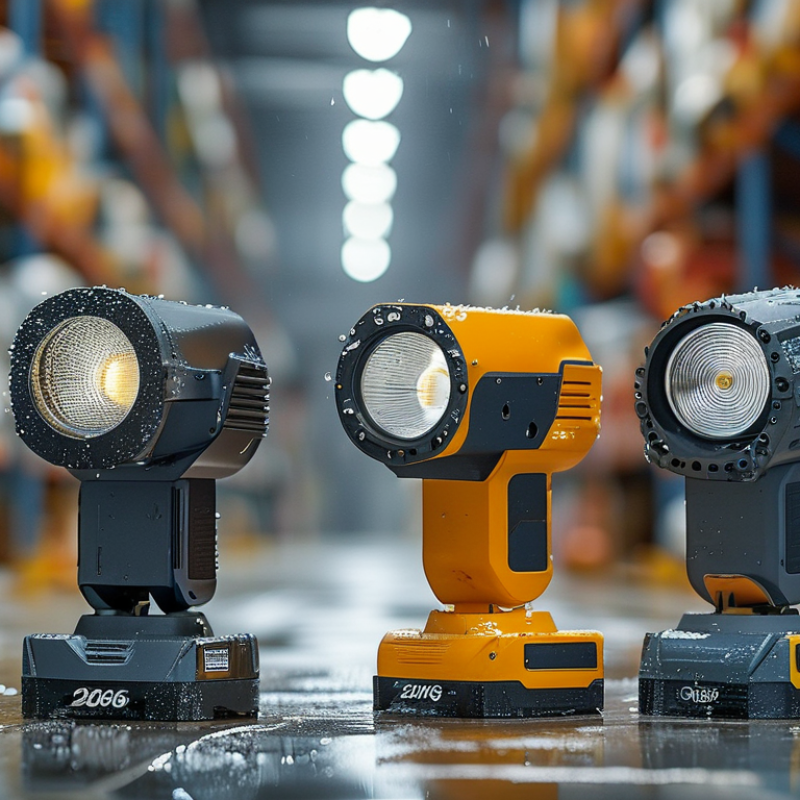
Tri-proof lighting fixtures are designed to withstand harsh environments. They are resistant to water, dust, and corrosion. This makes them suitable for various applications. Factories, warehouses, and outdoor spaces often utilize these lights.
These fixtures offer numerous benefits. First, they enhance visibility in challenging conditions. Their durability leads to lower replacement costs over time. Many users report increased safety and productivity. However, choosing the right one can be overwhelming. Not all fixtures are created equal. It’s essential to consider the specific needs of your environment.
In addition to functionality, energy efficiency is crucial. Tri-proof lights often utilize LED technology. This reduces energy consumption significantly. There can be trade-offs in terms of initial costs versus long-term savings. Not all environments will benefit equally from these fixtures. Evaluating all aspects before purchase is essential.
Key Features to Consider When Selecting Tri-Proof Lighting Fixtures
When choosing tri-proof lighting fixtures, durability is paramount. Look for materials that resist moisture, dust, and impacts. Aluminum housing often provides a sturdy option, while polycarbonate can offer flexibility. Both make ideal choices for challenging environments.
Energy efficiency is another vital feature. LED options consume less power and have longer lifespans. This can drastically reduce running costs. However, not all LEDs are created equal. Check the lumen output to ensure adequate brightness for your space.
Consider ease of installation and maintenance too. Some fixtures come with plug-and-play features, which is a plus for quick setups. But, not every model is user-friendly. Always refer to installation guides and user reviews. This will help you identify potential issues before purchasing.
Best Tri-Proof Lighting Fixtures for Global Buyers in 2026
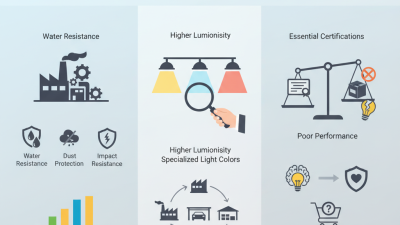
This bar chart illustrates the importance of various key features to consider when selecting tri-proof lighting fixtures for global buyers in 2026. The features are rated on a scale from 1 to 10 based on their significance.
Top Brands for Tri-Proof Lighting Fixtures in Global Markets
In 2026, the demand for tri-proof lighting fixtures continues to rise across global markets. These fixtures are valued for their durability, waterproof technology, and performance in challenging environments. Reports from industry analysts highlight a projected growth rate of 10% per annum from 2023 to 2026. This growth is driven by advancements in energy-efficient LED technology and the increasing need for robust lighting solutions in commercial and industrial spaces.
Leading brands in this sector are focusing on innovative designs that meet rigorous standards. They are emphasizing high lumen output and energy savings. Recent data indicates that consumers prefer fixtures with a lifespan of at least 50,000 hours. High-performance tri-proof lights are essential in areas like warehouses, parking lots, and food processing plants, where lighting resilience is critical. However, many buyers overlook the specific requirements of their installation environment.
When selecting tri-proof fixtures, consider the IP (Ingress Protection) rating. Look for fixtures that offer at least IP65 protection for optimal performance. Additionally, evaluating the fixture's warranty terms and service support is vital. These aspects influence long-term reliability and cost-effectiveness. As the sector evolves, companies should stay informed about emerging technologies that enhance both efficiency and durability.
Best Tri-Proof Lighting Fixtures for Global Buyers in 2026
| Model |
Color Temperature (K) |
Lumen Output |
Power Consumption (W) |
IP Rating |
Average Price ($) |
| Model A |
4000K |
3000 Lumens |
36W |
IP65 |
75 |
| Model B |
5000K |
3500 Lumens |
40W |
IP67 |
85 |
| Model C |
3000K |
4000 Lumens |
50W |
IP65 |
95 |
| Model D |
4000K |
4500 Lumens |
60W |
IP66 |
110 |
| Model E |
5000K |
5000 Lumens |
80W |
IP67 |
120 |
Emerging Trends in Tri-Proof Lighting Technology for 2026
In 2026, the tri-proof lighting technology is set to undergo significant advancements. Designers focus on durability and versatility. These fixtures will still offer waterproof, dust-proof, and corrosion-resistant features, but innovations will enhance efficiency. Expect new materials that provide better heat dissipation and longer lifespans.
Smart integration is another trend. More fixtures will connect through IoT technology. Users can adjust brightness and color temperature via smartphones or voice commands. This level of control can improve energy efficiency significantly. However, the reliability of these smart systems raises concerns. What if the technology fails unexpectedly?
Sustainability is a growing concern too. Manufacturers will likely shift toward eco-friendly production processes. This means using recyclable materials without compromising quality. However, achieving a balance between sustainability and performance is challenging. The industry must find ways to innovate without creating new waste. Embracing these trends requires careful consideration and a commitment to improvement.
Comparison of Pricing and Performance Among Leading Tri-Proof Brands
When selecting tri-proof lighting fixtures, buyers must evaluate both pricing and performance. Many brands offer a range of options, but not all deliver consistency. Some fixtures excel in durability, while others shine in energy efficiency. Pricing often reflects these differences. The cheapest might compromise performance, leading to frequent replacements.
In the competitive landscape, understanding your specific needs is essential. For example, industrial settings demand robust fixtures that resist harsh conditions. In contrast, commercial spaces might prioritize energy efficiency and light quality. It's advisable to compare performance metrics like lumens per watt and IP ratings. These details reveal how a fixture will perform over time.
Buying decisions should also consider installation and maintenance costs. Sometimes, a more expensive fixture saves money in the long run. Evaluating user feedback further informs choices. Real-world experiences can highlight issues not visible in specifications. With thorough research, buyers can make informed decisions, finding fixtures that balance quality and cost effectiveness.


 Email
Email Whatsapp
 WeChat