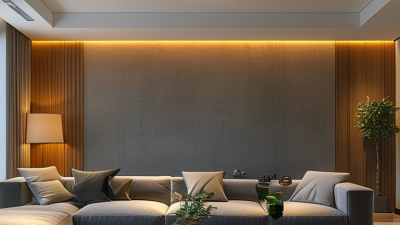
Why Choose Ceiling Led Lights for Your Home Lighting Needs?
In today's world, lighting plays a crucial role in home design. "Ceiling LED Lights" are becoming a popular choice for many homeowners. Renowned lighting expert Sarah Johnson once said, "LED technology transforms spaces, making them feel more vibrant and inviting." This shift towards ceiling LED fixtures reflects a demand for both aesthetics and functionality.
These lights offer energy efficiency and a longer lifespan compared to traditional bulbs. Installing ceiling LED lights can reduce energy bills significantly. They come in various designs, ensuring they fit different styles. However, some homeowners might hesitate due to the initial investment cost.
Despite the upfront price, the benefits of ceiling LED lights outweigh the concerns. They not only brighten rooms effectively but also create a welcoming atmosphere. As technology evolves, these lights continue to improve in quality and design. It's essential to explore the options available and reflect on personal needs when choosing the right lighting solution.
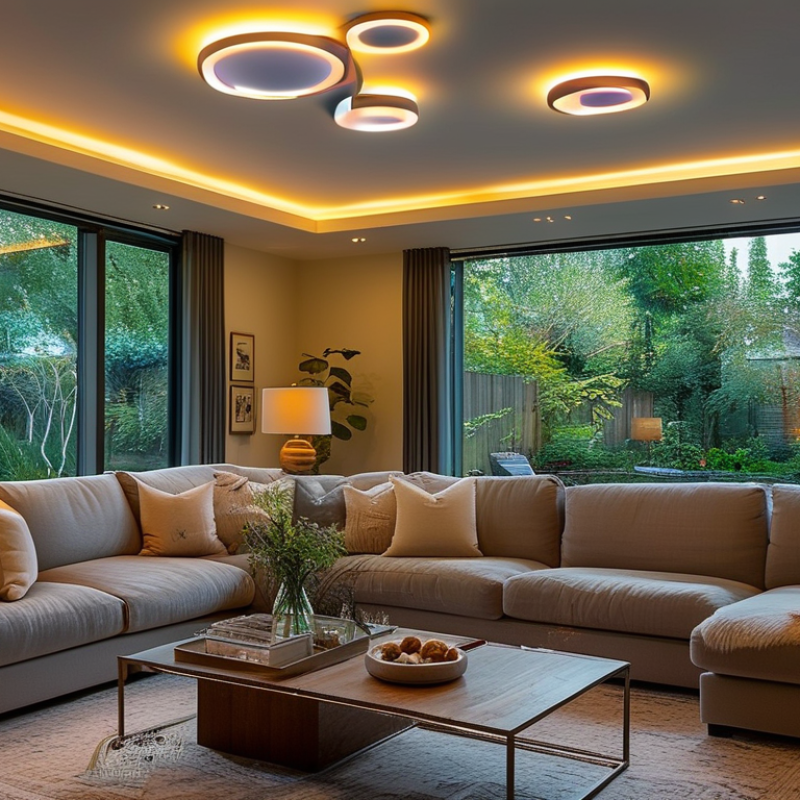
Benefits of Ceiling LED Lights Over Traditional Lighting Solutions
Ceiling LED lights offer many advantages over traditional lighting. They are energy-efficient. This means lower electricity bills for homeowners. LEDs use up to 75% less energy than incandescent bulbs. Additionally, they last much longer. A quality LED can last up to 25,000 hours. This reduces the need for frequent replacements.
The light quality from LEDs is superior. They provide bright and consistent illumination. Unlike fluorescents, there is no flickering or buzzing sound. This can create a more pleasant environment. Ceiling LEDs also produce less heat. This can make your space more comfortable, especially in warm weather.
While the initial cost can be higher, the long-term savings are significant. However, some users may find LED light too harsh at first. Adjusting to different color temperatures can take time. It’s worth experimenting with various options to find the right ambiance for your home. Sustainable living is another important aspect. Choosing LED lighting contributes to a smaller carbon footprint, promoting eco-friendliness.
Energy Efficiency of LED Lighting Compared to Incandescent Bulbs
LED lights have gained popularity in recent years, primarily due to their energy efficiency. In fact, studies show that LED bulbs use up to 75% less energy than traditional incandescent bulbs. This remarkable reduction can lead to significant savings on electricity bills. According to the U.S. Department of Energy, if every household replaced just one incandescent bulb with an LED, the country would save about $600 million annually.
Moreover, LED lighting has a much longer lifespan. While incandescent bulbs last roughly 1,000 hours, LEDs can last up to 25,000 hours or more. This means fewer replacements, reducing waste and the environmental impact associated with manufacturing and disposing of bulbs. Transitioning to LEDs could cut energy consumption for lighting in homes by around 50% to 70%, as stated in a report by the National Resources Defense Council.
Despite the clear benefits, the initial cost can be a hurdle. Some people hesitate to make the switch because LED bulbs are often more expensive upfront. However, when considering their long-term savings and durability, the investment gradually pays off. It's essential to weigh these factors and recognize that choosing LED lighting is not just a trend but a practical decision reflecting sustainable living.
Longer Lifespan of LED Lights: A Cost-Effective Lighting Option
Choosing ceiling LED lights for your home can drastically change your lighting experience. A crucial feature of these lights is their extended lifespan. LED lights can last up to 25,000 hours, significantly outlasting traditional incandescent bulbs, which typically offer only 1,000 hours. This is backed by a report from the U.S. Department of Energy, which states that LED lights can last 25 times longer than incandescent options.
This longevity translates into cost savings. While the initial cost of LED lights may be higher, their reduced need for replacement saves both money and effort over time. In fact, households can save around $225 in energy costs over the lifespan of just one LED bulb compared to incandescent alternatives. Moreover, LEDs operate more efficiently, converting 80% of energy into light rather than heat, contributing further to reduced utility bills.
However, despite these advantages, some users may experience dimming issues or variable light quality. The initial brightness may fade more quickly than expected. It's essential to ensure that the LEDs chosen are of high quality to prevent such issues. Reflecting on your choices can lead to a more satisfying experience with long-term benefits.
Design Flexibility: Aesthetic Choices for Every Home Style
Ceiling LED lights offer remarkable design flexibility for every home style. With various shapes, sizes, and finishes, these lights can seamlessly integrate into any décor theme. According to the Lighting Research Center, more homeowners are choosing versatile ceiling fixtures. This trend reflects a growing awareness of the aesthetic impact of lighting choices.
Consider the popularity of minimalist designs. Sleek and unobtrusive, flush-mounted LED lights complement contemporary spaces beautifully. They provide ample illumination without overwhelming the room. On the other hand, decorative pendant lights add character. They serve as functional art pieces, enhancing the overall ambiance. A study from the American Lighting Association reveals that 70% of homeowners value both function and style.
Homeowners face the challenge of matching lighting to personal tastes. Not every ceiling light suits all styles. This diversity allows creativity but can lead to indecision. It’s essential to balance functionality with the desired aesthetic. Utilizing a mix of ambient and task lighting is crucial. This thoughtful combination can elevate a room's design while ensuring practicality.
Why Choose Ceiling Led Lights for Your Home Lighting Needs?
This chart illustrates the aesthetic choices and design flexibility offered by ceiling LED lights across different home styles. The data represents the percentage of homeowners who prefer LED lights based on their home design preferences.
Eco-Friendly Features of Ceiling LED Lights and Their Impact on the Environment
Ceiling LED lights stand out for their eco-friendly features. These lights consume up to 75% less energy than traditional incandescent bulbs. A study from the U.S. Department of Energy highlights that using LED lighting can significantly reduce energy consumption across households.
The reduction in energy use translates into lower greenhouse gas emissions. According to the Energy Star program, widespread adoption of LED lighting in the U.S. alone could save about 348 terawatt-hours of electricity by 2027. This reduction could prevent the release of 220 million metric tons of carbon dioxide, equivalent to taking 45 million cars off the road for a year.
Moreover, LED lights have a longer lifespan than traditional options. They last about 25,000 hours, reducing the frequency of replacements. However, this commitment to longevity raises questions about recycling methods for LED materials. While their environmental benefits are clear, there is still a need to address end-of-life disposal and recycling issues. These complexities remind us that even sustainable solutions can have challenges to navigate.
Why Choose Ceiling Led Lights for Your Home Lighting Needs?
| Feature |
Description |
Environmental Impact |
| Energy Efficiency |
Ceiling LED lights consume up to 80% less energy than traditional incandescent bulbs. |
Reduced carbon footprint due to lower electricity consumption. |
| Longevity |
LED lights can last up to 25,000 hours or more, compared to 1,000 hours for incandescent bulbs. |
Less frequent replacements decrease waste in landfills. |
| Eco-Friendly Materials |
Many LED lights use recyclable materials and are free of toxic substances like mercury. |
Promotes recycling and reduces pollution. |
| Low Heat Emission |
LED lights emit very little heat compared to incandescent bulbs. |
Lowered risk of heat-related hazards and reduced air conditioning costs. |
| Dimmability |
Many LED ceiling lights offer dimming options for customized lighting. |
Helps save energy by allowing lower light levels when full brightness is not needed. |



 Email
Email Whatsapp
 WeChat