Leave Your Message

How to Choose the Best Tri Proof Lighting Fixtures?

Choosing the right Tri-Proof Lighting Fixtures is not simply a matter of comparing wattage or price. The best choice depends on the environment, task, mounting position, and maintenance plan. A fixture beside a cold warehouse door faces different risks from one above a humid food-processing area. Water, dust, vibration, temperature changes, and cleaning chemicals can all shorten its useful life.

James R. Benya, PE, FIES, a respected lighting designer and engineer, is often associated with this practical observation: “The best lighting is the lighting you don’t notice.” That idea guides this article. Effective Tri-Proof Lighting Fixtures should provide steady, comfortable illumination without glare, dark patches, or distracting flicker. Look beyond the advertised lumen figure. Check the IP rating, impact resistance, color temperature, color rendering, beam distribution, driver quality, and expected operating hours. A high-output fixture can still perform poorly when its lens creates harsh reflections on metal surfaces.

Real projects also expose uncomfortable details. A fixture may be technically suitable yet difficult to install. Its clips may feel weak. Its cable entry may not match the site. Its stated lifespan may depend on cooler laboratory conditions. Those details matter. This guide examines how to compare specifications with actual working conditions, verify supplier reliability, and avoid selecting products based only on attractive numbers. Some choices will involve compromise. The goal is not perfection, but dependable lighting that remains safe, efficient, and practical over time.
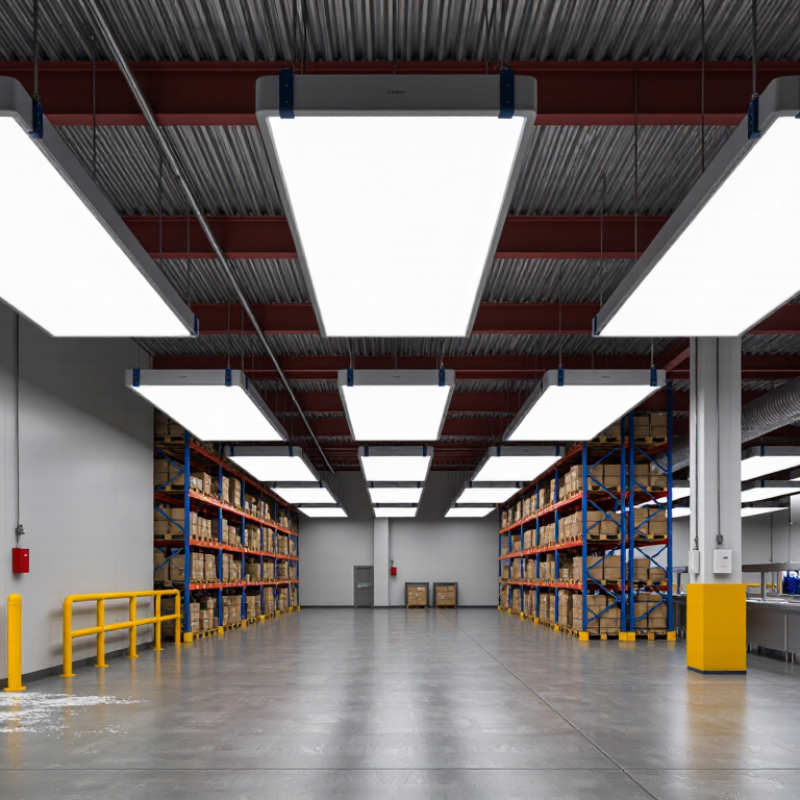
How to Choose the Best Tri Proof Lighting Fixtures?

Define the Requirements for Your Tri-Proof Lighting Project

Define the requirements before comparing tri-proof lighting fixtures. A warehouse aisle, car wash, and cold room need different protection. Record ceiling height, mounting space, operating temperature, cleaning methods, and exposure to water, dust, or chemicals. Then set target illuminance in lux, beam angle, color temperature, color rendering, and operating hours. A 4,000K fixture may suit a warehouse, but it can feel too harsh in a food-processing area.

Protection ratings must match the real environment. IP65 resists dust and water jets, while IP66 offers stronger water-jet protection under IEC 60529. Mechanical impact also matters; verify the IK rating under IEC 62262. Request LM-79 photometric data, lifetime testing, and flicker information instead of trusting wattage alone. The International Energy Agency reports that lighting uses roughly 15% of global electricity. The U.S. Department of Energy also states that LED lighting can use at least 75% less energy than incandescent lighting. These figures support efficiency, but they do not guarantee a good installation.

Tips: Build a simple room plan first. Mark every fixture, aisle, drain, and service point. Allow space for cleaning and replacement. Check emergency-lighting requirements separately. A common mistake is choosing IP66 for every area without checking corrosion, heat, or mounting strength. I have seen high-output fixtures create glare and uneven floors. More lumens were not the answer. No checklist is perfect; review the design after a trial installation and measure the actual lux.
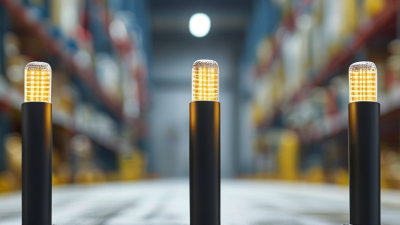
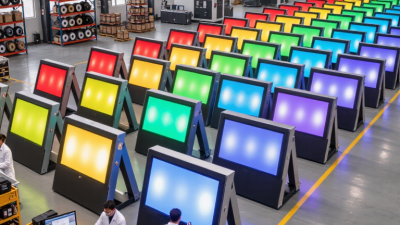
Compare Key Tri-Proof Fixture Features and Performance Ratings

How to Choose the Best Tri Proof Lighting Fixtures?

Tri-proof fixtures must survive dust, moisture, vibration, and frequent temperature changes. Compare performance ratings, not only wattage or appearance. An IP65 rating protects against dust and water jets, while IP66 offers stronger water protection. For exposed loading bays, washdown areas, or cold storage rooms, that difference matters.

Check delivered lumens, efficacy, and lumen maintenance together. A fixture producing 150 lumens per watt may outperform a brighter-looking model using excessive energy. The U.S. Department of Energy’s 2023 Solid-State Lighting R&D Opportunities report notes that laboratory LED efficacy has exceeded 200 lumens per watt, but complete fixtures usually perform lower. This gap deserves attention.

Review independent test reports, not optimistic product labels. The DesignLights Consortium also evaluates efficacy, color quality, controllability, and maintenance in its technical requirements. These criteria help create a fair comparison.

Color quality affects real work. Choose CRI 80 or higher for general industrial areas, and consider CRI 90 where inspection accuracy matters. Check CCT, flicker measurements, operating temperature, surge protection, and dimming compatibility.

A rated lifetime of 50,000 hours sounds impressive, but ask whether it means L70, L80, or a manufacturer estimate. I would also inspect the gasket and mounting clips by hand. Small weaknesses appear quickly in humid rooms.

One overlooked issue remains: a highly efficient fixture can still disappoint when its beam pattern creates dark aisles or harsh glare.

Select the Right Light Source, Beam Angle, and Color Temperature

Choosing a tri-proof fixture starts with its light source, not its housing. LED remains the practical choice for wet, dusty areas because it offers high efficacy, instant starting, and long service life. The U.S. Department of Energy’s 2023 Solid-State Lighting R&D Opportunities report identifies advanced LED packages exceeding 200 lumens per watt in laboratory conditions. Real fixtures perform lower. Drivers, lenses, heat, and dirt all reduce output.

Beam angle must match the space. A 30–60-degree beam can create strong, even rows over narrow work areas. Wider 90–120-degree optics suit corridors, workshops, and open parking zones. I check the mounting height and spacing before selecting optics. A bright fixture can still leave dark patches. That mistake is common.

Color temperature changes how the space feels. Around 4000K usually supports clear visibility without looking excessively cold. Around 5000K can reveal surface details, but may feel harsh in offices or occupied facilities. For quality-sensitive tasks, verify the color rendering index, not only the Kelvin value. CIE lighting guidance treats color quality as a measured performance issue, not a marketing impression. I also review LM-79 test reports for measured output, power, and chromaticity. Reported numbers can differ from installed results. That deserves a second check.

Evaluate Installation Methods, Materials, and Environmental Protection

How to Choose the Best Tri-Proof Lighting Fixtures?

Installation method should match the building, not merely the fixture. Surface mounting works well in warehouses with low ceilings and exposed cable routes. Suspended mounting improves light distribution in taller spaces. Continuous-row systems reduce dark gaps between fixtures. However, quick installation can create weak points. Check the connector seal, mounting clips, and cable entry before energizing the circuit. In field inspections, poorly tightened glands often caused more trouble than the lamp itself.

Material selection affects service life. Polycarbonate housings resist impact and are practical in loading areas. PMMA can provide strong optical clarity, but it may be less forgiving under repeated impact. Aluminum channels improve heat transfer when designed correctly. The U.S. Department of Energy reports that LED lighting uses at least 75% less energy and lasts up to 25 times longer than incandescent lighting. That advantage depends on thermal control, not LEDs alone. A cool fixture usually ages more slowly.

Environmental protection needs measurable evidence. IEC 60529 defines IP ratings, while IK ratings address mechanical impact resistance. For dusty, wet locations, IP65 is a reasonable starting point; IP66 may suit stronger water exposure. Confirm operating temperature, corrosion resistance, UV stability, and chemical compatibility. The International Energy Agency continues to identify LED efficiency as a major lighting improvement, but efficiency figures rarely describe harsh environments. I still question any datasheet that omits seal inspection procedures. Choose fixtures with accessible replacement parts and clear test records. Small details matter.

How to Choose the Best Tri Proof Lighting Fixtures? - Evaluate Installation Methods, Materials, and Environmental Protection

Comparative guide based on commonly specified performance ranges for sealed LED tri-proof fixtures

Fixture Configuration Recommended Installation Method Typical Housing and Lens Materials Ingress Protection Impact Protection Typical Efficiency Operating Temperature Environmental Protection and Maintenance Best-Fit Applications
Standard surface-mounted linear fixture Stainless-steel mounting clips fixed directly to the ceiling or wall; suitable for solid surfaces. Polycarbonate or ABS housing with a frosted polycarbonate diffuser; stainless-steel clips and screws are preferred in damp areas. IP65–IP66
Protected against dust and water jets.
IK08–IK10
Suitable where moderate to high mechanical impact may occur.
110–160 lm/W system efficacy, depending on LED package, diffuser, and driver. Approximately −20°C to +45°C; verify the driver rating for colder or hotter locations. Sealed construction reduces dust and moisture entry. Clean the diffuser periodically and inspect cable glands and clips. Parking areas, workshops, utility rooms, warehouses, corridors, and general industrial spaces.
Suspended linear fixture Wire-rope or rod suspension from structural ceilings; use independent safety cables where required by local codes. Extruded aluminum or polycarbonate body with a polycarbonate diffuser; aluminum improves heat dissipation. IP65
Appropriate for dusty interiors and areas exposed to splashing water.
IK08–IK09
Confirm the rating when fixtures are installed at low height.
115–165 lm/W system efficacy in designs optimized for thermal management. Approximately −20°C to +45°C; high ambient temperatures can reduce LED lifetime. Provides better task-plane uniformity in high-bay spaces. Keep suspension hardware corrosion-resistant and tensioned. Factories, logistics centers, retail ceilings, sports facilities, and high-ceiling workspaces.
Surface-mounted fixture with conduit entry Direct mounting with side or end conduit entry; use certified glands, gaskets, and conduit fittings to preserve sealing. Glass-fiber-reinforced polycarbonate housing and impact-resistant polycarbonate diffuser. IP66–IP67
Higher protection when cable entries are correctly installed and sealed.
IK08–IK10
Suitable for locations with accidental impact or vibration.
105–150 lm/W system efficacy, with performance affected by conduit fittings and thermal conditions. Approximately −30°C to +50°C when the driver and seals are rated for the environment. A strong option for wash-down zones. Use corrosion-resistant fasteners and avoid drilling additional unsealed holes. Food-processing support areas, agricultural buildings, service tunnels, car-wash interiors, and heavy-duty workshops.
Vapor-tight fixture for cold or humid areas Surface mounting with sealed clips; allow thermal movement and use flexible cable connections where condensation is likely. UV-stabilized polycarbonate housing and diffuser with silicone or EPDM perimeter gasket. IP66–IP67
Designed for condensation, dust, and water exposure.
IK08–IK10
Polycarbonate is generally more impact-resistant than acrylic.
100–145 lm/W system efficacy; cold temperatures may improve LED output but can affect driver selection. Approximately −30°C to +40°C; select a low-temperature-rated driver for cold rooms. Use UV-stabilized materials outdoors or near daylight. Inspect gaskets for hardening, cracking, or compression loss. Cold rooms, covered loading docks, humid basements, refrigerated storage, and unheated service areas.
Corrosion-resistant marine or chemical-area fixture Surface or suspended mounting using 316-grade stainless-steel hardware where salt mist or corrosive chemicals are present. UV-stabilized polycarbonate or coated aluminum body; stainless-steel hardware and chemically resistant gaskets. IP66–IP69K
Use the higher rating only when the full fixture and cable-entry system are certified for the cleaning method.
IK09–IK10
Selected for demanding industrial and marine environments.
95–140 lm/W system efficacy; protective coatings and thicker diffusers can reduce optical efficiency. Approximately −30°C to +50°C, subject to gasket, driver, and chemical compatibility limits. Choose materials compatible with salt, detergents, oils, or process chemicals. Rinse salt deposits and check for galvanic corrosion. Marine service areas, wastewater facilities, chemical support zones, coastal infrastructure, and intensive wash-down locations.
Emergency-enabled tri-proof fixture Surface or suspended mounting with accessible test button and suitable emergency wiring; follow local emergency-lighting requirements. Polycarbonate or aluminum housing with polycarbonate diffuser, internal battery, charger, and emergency control gear. IP65–IP66
The emergency test component and cable entries must maintain the enclosure rating.
IK08–IK10
Choose higher impact resistance in public or industrial circulation areas.
90–145 lm/W in normal operation; emergency output is typically lower and depends on battery capacity. Approximately 0°C to +40°C for many battery systems; battery chemistry may impose narrower limits. Schedule regular function tests, replace batteries according to service life, and maintain clear emergency labeling. Escape routes, public buildings, warehouses, factories, car parks, and locations requiring backup illumination.

Selection Checklist

  • Select the IP rating according to the actual exposure to dust, splashing, wash-down water, condensation, or temporary immersion.
  • Select the IK rating according to installation height, traffic level, vibration, and the likelihood of impact.
  • Confirm that the complete assembly—including cable glands, conduit fittings, connectors, and mounting hardware—supports the required environmental rating.
  • Use polycarbonate where impact resistance is important, aluminum where heat dissipation is critical, and corrosion-resistant hardware in salt or chemical environments.
  • Verify photometric data, driver temperature limits, emergency-lighting compliance, electrical certification, and local installation requirements before purchase.

Note: Performance values shown are typical specification ranges for commercially available tri-proof LED fixture types. Actual ratings vary by construction, driver, optics, ambient temperature, and test standard.

Assess Energy Efficiency, Maintenance Needs, and Total Cost

How to Choose the Best Tri Proof Lighting Fixtures?

Energy efficiency should be measured beyond the wattage printed on the housing. The U.S. Department of Energy reports that LED lighting uses at least 75% less energy and lasts up to 25 times longer than incandescent lighting. For tri proof fixtures, compare lumens per watt, driver efficiency, power factor, and actual operating hours. A 40-watt fixture running 12 hours daily consumes about 175 kilowatt-hours yearly. Multiply that figure across warehouses, tunnels, or parking areas.

Maintenance matters more. Check the IP rating under IEC 60529, especially where dust, washdowns, or condensation are common. Also review lumen-maintenance data, driver warranties, and replacement procedures. The Illuminating Engineering Society’s LM-80 and TM-21 methods help evaluate LED package performance, but they do not guarantee every complete fixture will perform identically. That distinction is easy to miss.

Count every visit. Labor, lifts, disposal, access interruptions, and spare inventory can exceed the purchase price. A simple total-cost model should include energy, installation, cleaning, repairs, and expected replacement cycles. I once underestimated access costs in a high-bay area; the fixture price looked attractive, but the lift rental changed the decision. DOE guidance supports long LED service life, yet real conditions still matter. Heat, poor ventilation, and unstable power can shorten performance. Lowest price is not always lowest cost. Judge the whole installation.

How to Choose the Best Tri-Proof Lighting Fixtures?

Assess energy efficiency, maintenance needs, and total cost over a five-year service period.

This comparison uses generic fixture types and transparent assumptions: 4,000 operating hours per year, an electricity rate of $0.15 per kWh, $25 labor and material cost per maintenance event, and a five-year evaluation period. LED options generally reduce electricity consumption and maintenance frequency, which can lower total ownership cost even when their initial purchase price is higher.