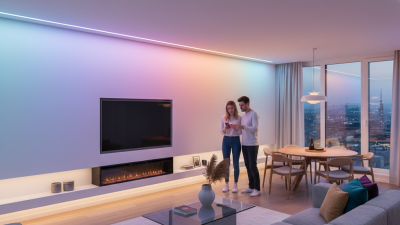
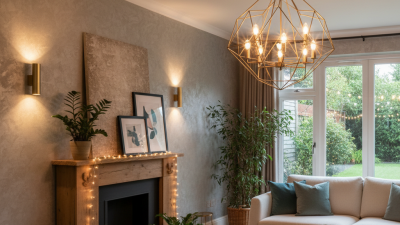
Top Ceiling Led Lights for Modern Homes and Smart Living Spaces?
In today’s modern homes, Ceiling LED Lights are transforming living spaces into smart, efficient environments. The global LED lighting market is projected to reach $100 billion by 2025, highlighting the importance of these fixtures. Various industry reports show that over 60% of homeowners prefer LED lights due to their energy efficiency and longevity.
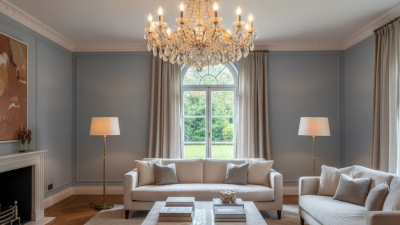
Experts in the field emphasize the significance of ceiling LED lights. John Smith, a renowned lighting designer, once remarked, “Lighting can make or break a space; ceiling LED lights are a vital component for modern aesthetics.” This speaks to the potential of these lights in enhancing interior design while promoting sustainable living.
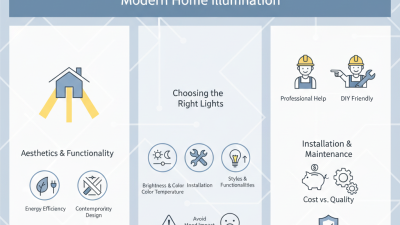
However, not all ceiling LED lights are created equal. The rapid innovation in technology can make choosing the right option overwhelming. Consumers must consider factors like brightness, color temperature, and dimming capabilities. While many provide excellent illumination, it's essential to reflect on personal needs. Selecting the right ceiling LED lights requires thoughtful evaluation to strike a balance between function and design.
Top Features to Consider When Choosing Ceiling LED Lights
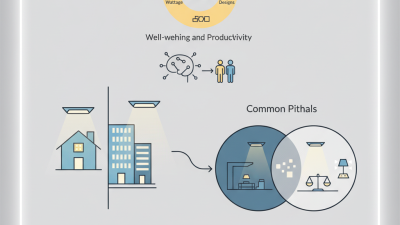
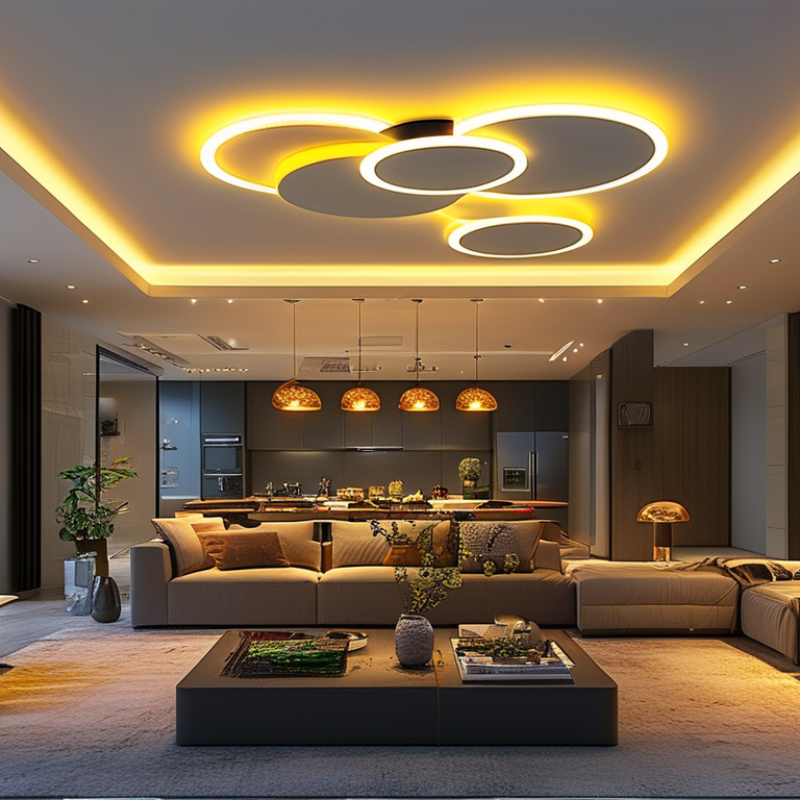
Choosing ceiling LED lights for modern homes involves careful consideration of several essential features. The brightness of the lights is crucial. Studies show that light intensity can impact mood and productivity levels. A fitting range for residential spaces is between 3000K and 4000K, offering a balance that is both cozy and energizing.
Energy efficiency plays a significant role in selection, as LED lights typically consume less energy than traditional bulbs. Reports indicate that switching to LED can reduce energy consumption by up to 75%. This enhancement not only decreases electricity bills but also contributes to environmental sustainability.
Size and design of ceiling lights greatly affect the overall aesthetic of a space. A well-chosen fixture can enhance the ambiance while providing adequate illumination. Space constraints must also be taken into account. Large fixtures can overwhelm smaller areas. Conversely, tiny lights may feel lost in expansive rooms. Every detail matters. Balancing functionality and visual appeal is not easy, but it's essential for creating a harmonious living environment.
Best LED Ceiling Light Styles for Modern Home Interiors
LED ceiling lights have rapidly transformed modern living spaces. These fixtures not only provide ample illumination but also enhance home aesthetics. According to a report by the U.S. Department of Energy, LED lighting can save up to 75% more energy compared to traditional lighting options. This statistic reflects a growing preference for sustainable energy solutions.
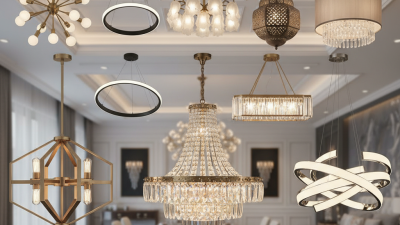
When selecting LED ceiling lights, consider styles that align with your interior design. For instance, minimalist designs complement modern homes, while ornate fixtures can enhance traditional spaces. Some popular trends include flush mounts, pendant lights, and recessed lighting. The versatility of these options allows homeowners to create unique atmospheres. Data from the American Lighting Association shows that 63% of homeowners prioritize lighting when designing their interiors.
However, not all LED lights are created equal. Quality can vary widely, affecting brightness and color accuracy. Some homeowners face challenges in achieving the desired ambiance due to poor lighting choices. It's essential to research products and understand how different styles work with your space. Make sure to prioritize options that offer suitable color temperatures for various rooms. A well-lit home can significantly influence mood and functionality.
Energy Efficiency and Sustainability of LED Lighting Options
The shift towards LED lighting in modern homes highlights energy efficiency and sustainability.
LED lights consume up to 75% less energy than traditional incandescent bulbs.
This statistic is crucial as buildings account for around 40% of global energy consumption, according to the International Energy Agency.
Switching to LED can significantly lower electric bills while reducing carbon footprints.
Additionally, LEDs have a longer lifespan. They last 15,000 to 50,000 hours, compared to just
1,000 hours for incandescent bulbs. This longevity results in less waste. Fewer bulbs mean fewer resources consumed in producing,
packaging, and disposing of lighting products. A 2022 report estimates that if all homes
transitioned to LEDs, the U.S. could save over $30 billion annually on electricity.
Despite these advantages, challenges remain. Not all LED products offer the same quality of light. Some emit a harsh, cold tone that can affect
mood. Furthermore, recycling LED lights can be complicated due to the materials involved. The proper disposal and recycling processes are not
always clear to consumers. Awareness and education on these issues are key for truly sustainable living.
Smart Ceiling Lights: Integrating Technology into Your Living Space
Smart ceiling lights are revolutionizing how we interact with our living spaces. These innovative fixtures blend functionality with technology. You can customize lighting according to your mood or activity, whether you're working, relaxing, or entertaining. Voice control and mobile apps add efficiency, making it easy to adjust brightness with a simple command.
To make the most of smart ceiling lights, consider the layout of your home. Place dimmable lights in areas where ambiance is key, such as the living room. Use brighter lights in workspaces to enhance focus. Don't forget to control light color. Warm hues can create a cozy atmosphere, while cooler tones promote alertness.
Choosing the right smart lighting can be overwhelming. Start small; focus on one room. Explore options like motion sensors, which can help conserve energy. Regularly ask yourself if the current setup meets your needs. Adjustments can optimize both functionality and aesthetics. A thoughtful approach will lead to a more adaptive and comfortable living environment.
Installation Tips for Ceiling LED Lights in Modern Homes
Installing ceiling LED lights can elevate the ambiance of modern homes. Positions in the room can significantly impact light distribution. To ensure a balanced illumination, plan the layout before installation. A rule of thumb is to space them about 4 to 6 feet apart. This method helps prevent shadows and dark corners.
It's crucial to follow safety protocols during installation. According to the U.S. Department of Energy, improper installation might lead to electrical issues or inefficiencies. Ensure the power is off, and use insulated tools. Many homeowners overlook the importance of checking the wattage compatibility. Failing to address this can lead to circuit overload, possibly resulting in costly repairs.
The color temperature of the LEDs also matters. Cooler temperatures create a more vibrant feel, while warmer tones can provide a cozy atmosphere. Reports indicate that around 80% of users prefer the latter for residential settings. While personal preferences will vary, it’s essential to test different shades before making a final decision. Don't skip this step to avoid regrets later.
Top Ceiling LED Lights for Modern Homes and Smart Living Spaces
| Light Type |
Brightness (Lumens) |
Color Temperature (K) |
Energy Efficiency Rating |
Installation Difficulty |
| Flush Mount LED |
800 |
3000 |
A+ |
Easy |
| Recessed LED |
1000 |
4000 |
A++ |
Moderate |
| Pendant LED |
1200 |
5000 |
A+ |
Challenging |
| Smart LED Panel |
1500 |
2700-6000 (adjustable) |
A++ |
Moderate |
| Chandelier LED |
1800 |
3000 |
A+ |
Challenging |



 Email
Email Whatsapp
 WeChat