2026 How to Choose the Best Lighting Fixture for Your Home?
Choosing the right lighting fixture for your home can be overwhelming. With countless options available, expert advice is invaluable. Renowned interior designer Sarah Mitchell emphasizes, “Lighting fixtures define a space. They create mood and highlight features.”
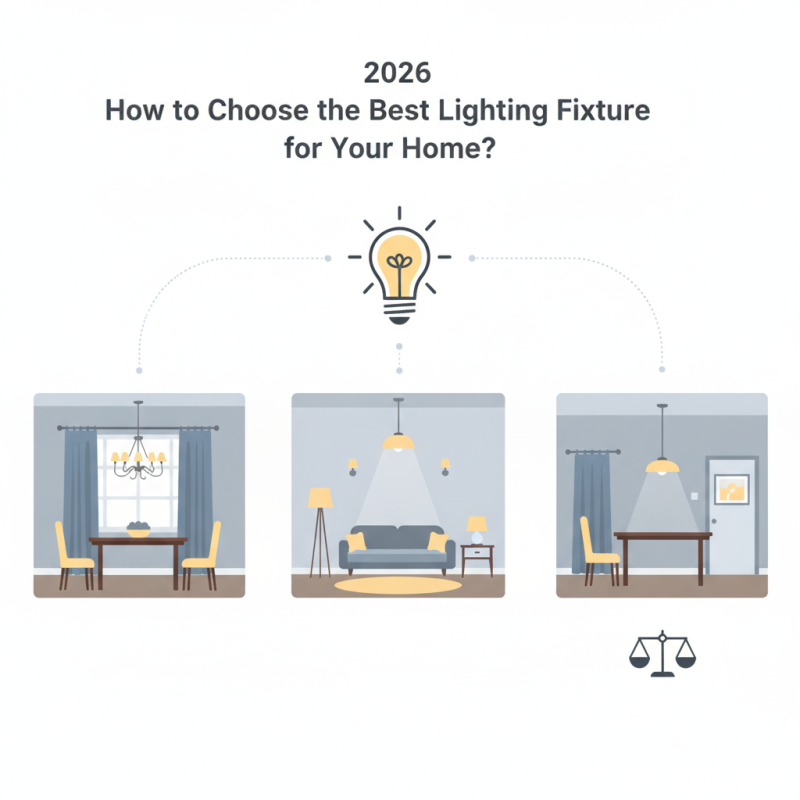
Every room needs the right balance of function and style. From chandeliers to wall sconces, each lighting fixture plays a crucial role. For instance, a dining room should have a statement piece. It sets the tone for family dinners and gatherings. Yet, how do you balance aesthetics with practicality?
Homeowners often overlook the importance of scale. A large fixture in a small room can feel claustrophobic. Conversely, a tiny light in a spacious area can feel lost. Assess your space carefully before making a decision. In the end, the right lighting fixture should enhance your home’s beauty while serving its purpose.
Understanding the Different Types of Lighting Fixtures Available
Choosing the right lighting fixture for your home can feel overwhelming. With so many options available, it's important to understand the different types. Ceiling lights, wall sconces, and table lamps each offer unique benefits. For instance, ceiling lights provide general illumination, while wall sconces create an inviting atmosphere.
Consider the function of each room. In kitchens, bright task lighting is essential. Use pendant lights or under-cabinet fixtures. For bedrooms, softer, ambient lighting helps create a relaxing environment. Think about dimmers for flexibility.
Don't overlook style. Fixtures range from modern to vintage. Your choice should reflect your home's character. It's okay if you find this process challenging. Take your time to explore different styles and combinations. Lighting is a key element of home design, and getting it right can transform your space.
2026 Lighting Fixture Types and Their Popularity
Assessing Your Space: Room Size and Lighting Needs
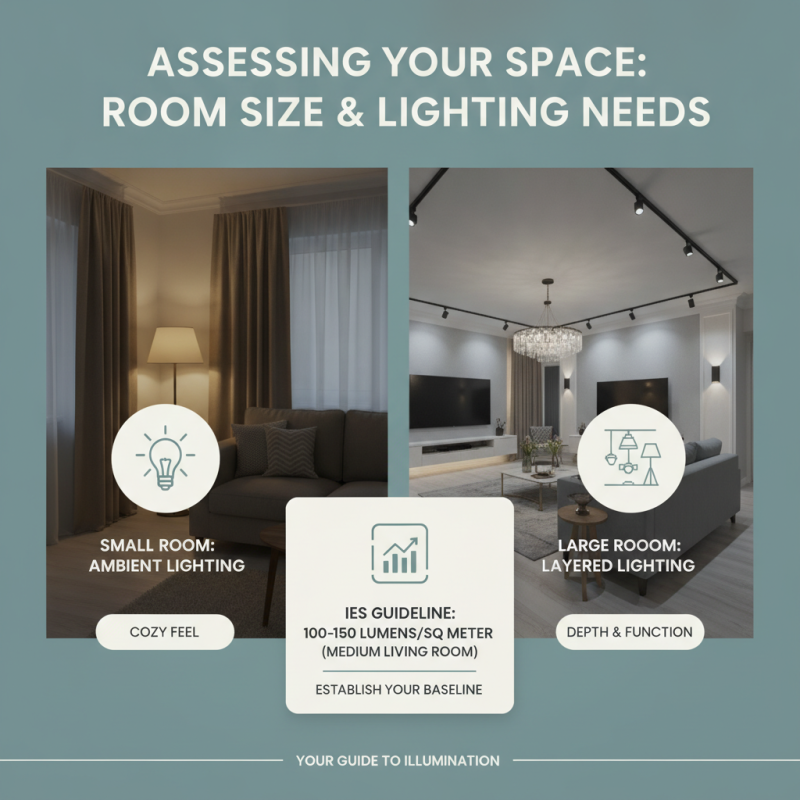
When choosing lighting fixtures, understanding your room's size and needs is essential. For instance, a small room may require softer lighting, while larger spaces can benefit from layered techniques. According to the IES (Illuminating Engineering Society), a medium-sized living room needs around 100-150 lumens per square meter. This data helps establish a baseline for your lighting.
Consider the layout, too. A long hallway may need focused lighting to guide you, while an open-plan area could use multiple fixtures to create a warm ambience. The National Electrical Manufacturers Association recommends using dimmers to adjust brightness. This flexibility allows you to modify the atmosphere based on the time of day or activity, enhancing usability and comfort.
Texture matters. Glossy surfaces reflect light, making rooms feel brighter. However, over-bright spaces can be harsh. In cases where natural light is limited, softer fixtures can make a significant difference. Pay attention to the color temperature of bulbs as well. Warmer tones create a cozy feel, while cooler hues can energize a workspace. Choosing the right lighting is not just about making a choice; it’s about creating an experience in every room.
Choosing the Right Style: Matching Fixtures to Your Home Decor
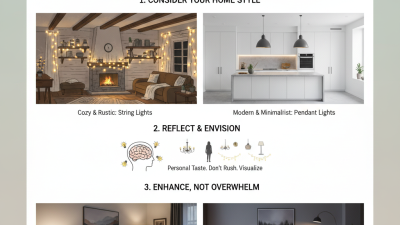
Choosing the right lighting fixtures can enhance your home’s decor. It's essential to match the style of the fixtures with your existing décor. For a modern space, sleek lines and metallic finishes may work well. In contrast, rustic or vintage homes might benefit from fixtures with warm wood tones and classic designs.
Consider the mood you wish to create. Bright, harsh lighting can feel cold. Softer, warmer lights can make a space feel inviting. Think about where the fixture will be placed. A pendant over a dining table should offer enough light for meals while being visually appealing. Wall sconces beside mirrors can help with grooming tasks while adding style.
Don’t forget to mix and match styles. Combining different lighting elements can create depth. For example, a modern chandelier paired with vintage wall sconces can light up a room beautifully. Reflect on your choices. Sometimes, the lighting doesn’t suit the feel of the room. This can lead to moments of disappointment. Adjusting fixture placement or styles may be necessary to achieve harmony.
Energy Efficiency: Selecting LED vs. Traditional Lighting Options
Choosing the right lighting for your home involves more than just aesthetics. One crucial aspect is energy efficiency, especially between LED and traditional bulbs. LED lights have transformed the industry. They use significantly less energy than their incandescent counterparts. This reduction can lead to lower electricity bills.
When considering LEDs, think about their lifespan. An LED bulb can last up to 25,000 hours. In contrast, traditional bulbs may last only around 1,000 hours. This longevity means fewer replacements and less waste over time. However, some homeowners find the upfront cost of LEDs higher. Balancing initial investment and long-term savings requires careful thought.
It’s also essential to consider light quality. Some may prefer the warm glow of traditional bulbs. LEDs have improved in this area, but results can vary. Not every LED produces the same ambiance. Experimenting with different fixtures and temperatures can help you find a suitable option. Reflect on your lighting preferences and needs. Choosing the right fixture is both a science and an art.
Budget Considerations: Balancing Quality and Cost in Lighting Fixtures
When selecting lighting fixtures for your home, budget plays a critical role. It's essential to find a balance between quality and cost. Often, we might assume that a higher price guarantees better quality. However, this isn’t always the case. Many affordable options provide excellent durability and design. Researching and comparing different types of fixtures can lead to surprisingly cost-effective choices.
Quality fixtures often showcase exquisite design and durability. Yet, some may come with hefty price tags. It's important to ask: are you paying for a name or true craftsmanship? Prioritize essential features. Pay attention to materials used, finish, and the energy efficiency of bulbs. Sometimes, spending a little more on energy-efficient bulbs can save you in the long run.
Reflect on your needs before making a purchase. Consider the space you’re illuminating. A small lamp may suffice for a cozy reading nook, while a statement chandelier might enhance a dining area. Balance your desire for aesthetics with practical considerations. Striking this balance can sometimes feel challenging, but it’s crucial for making wise investments.



 Email
Email Whatsapp
 WeChat