

Leave Your Message
-
 Email
Email -
 Whatsapp
-
 WeChat
When it comes to home décor, lighting plays a crucial role. An effective lighting fixture not only illuminates a space, but also enhances its overall aesthetic. According to James Smith, an expert in the lighting fixture industry, “The right lighting can transform any room.” This statement underscores the importance of selecting the right types of fixtures for your home.
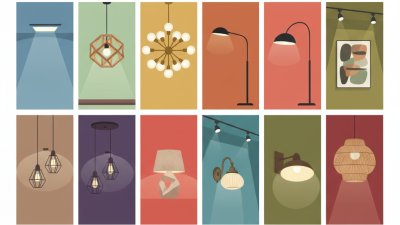
Choosing the best lighting fixture involves understanding various design styles and practical needs. Whether you're looking for ambient lighting or task lighting, there are numerous options available. From elegant chandeliers to minimalistic pendant lights, each fixture offers unique benefits. However, the array of choices can be overwhelming.
Many homeowners underestimate how lighting can impact mood and functionality. Poorly chosen fixtures may lead to harsh lighting or inadequate illumination. Reflecting on past decisions, one might realize that not all lighting fixtures are created equal. Investing time to explore the top types can significantly enhance your living environment, bringing both practicality and beauty together.
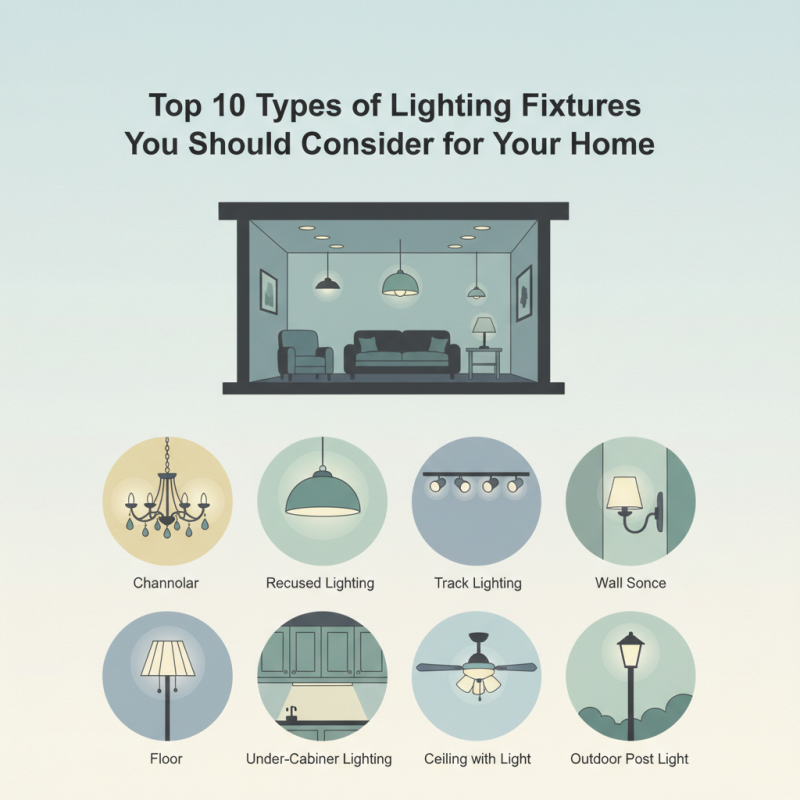
When choosing lighting fixtures for your home, the style and purpose are crucial. First, consider ambient lighting. It creates a warm atmosphere. For this, ceiling-mounted fixtures or wall sconces work well. Don’t forget about functionality. Task lighting is essential in areas like kitchens and studies. Under-cabinet lights and desk lamps can illuminate workspaces effectively.
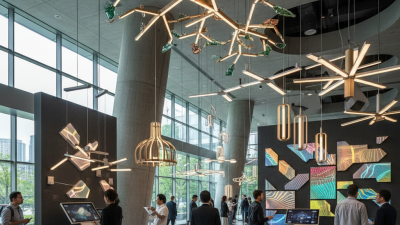
Next, accent lighting adds interest and highlights features. Picture a beautiful piece of art lit by a small spotlight. It draws the eye and adds depth. Chandeliers can also serve as statement pieces in dining rooms or entryways. However, finding the right scale is important. A massive chandelier can overwhelm a small room.
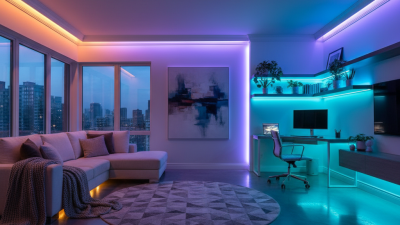
Lastly, think about the color temperature of your lighting. Soft warm light creates a cozy feel, while cooler tones can energize a space. Experimenting with different fixtures can help you find the right balance. It’s okay to make mistakes along the way. Each choice teaches you about your preferences. Adjustments might be needed as you see how lighting interacts with your home.
| Type of Fixture | Description | Ideal Rooms | Average Cost |
|---|---|---|---|
| Chandeliers | Dramatic lighting that adds elegance. | Dining Rooms, Entrances | $200 - $2000 |
| Pendant Lights | Suspended fixtures that provide focused lighting. | Kitchens, Bars | $50 - $500 |
| Flush Mounts | Ceiling lights that are flat against the ceiling. | Hallways, Bedrooms | $30 - $300 |
| Wall Sconces | Decorative fixtures mounted on walls. | Living Rooms, Corridors | $40 - $400 |
| Recessed Lights | Lights installed into the ceiling for a clean look. | Home Theaters, Living Rooms | $25 - $200 |
| Table Lamps | Portable lamps for desks or tables. | Bedrooms, Living Rooms | $20 - $150 |
| Floor Lamps | Tall lamps that provide ambient or task lighting. | Living Rooms, Offices | $30 - $300 |
| Under Cabinet Lighting | Lighting that illuminates countertops. | Kitchens | $15 - $150 |
| Smart Bulbs | LEDs that can be controlled via apps. | Any Room | $10 - $60 |
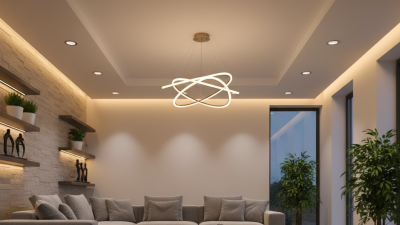
: Recessed lighting has hidden fixtures that fit into ceilings. It creates a modern and clean look.
Aim for balanced fixture distribution. Too many in a small room can feel cramped.
Direct fixtures toward walls. This strategy helps make spaces feel larger and more open.
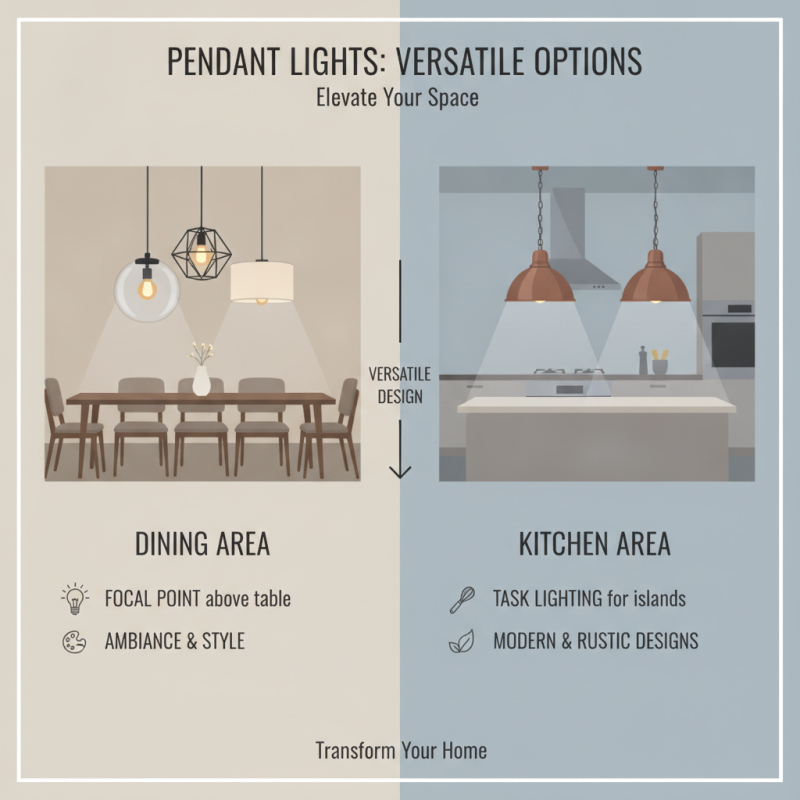
Yes, pendant lights work well over kitchen islands or dining tables, enhancing the space's aesthetic.
Installation height is key. Too low may feel cramped; too high might lose impact.
Absolutely, modern chandeliers often use sustainable materials while maintaining style and elegance.
A large chandelier may overwhelm a small room, while a small one can look lost in a big space.
Mixing different styles can reflect your personality. Embrace unique designs for an eclectic look.
Lighting serves a purpose, but it also reflects your artistic style and enhances the overall ambiance.
Reflect on each room’s unique needs. Thoughtful choices can make a significant difference in your space.
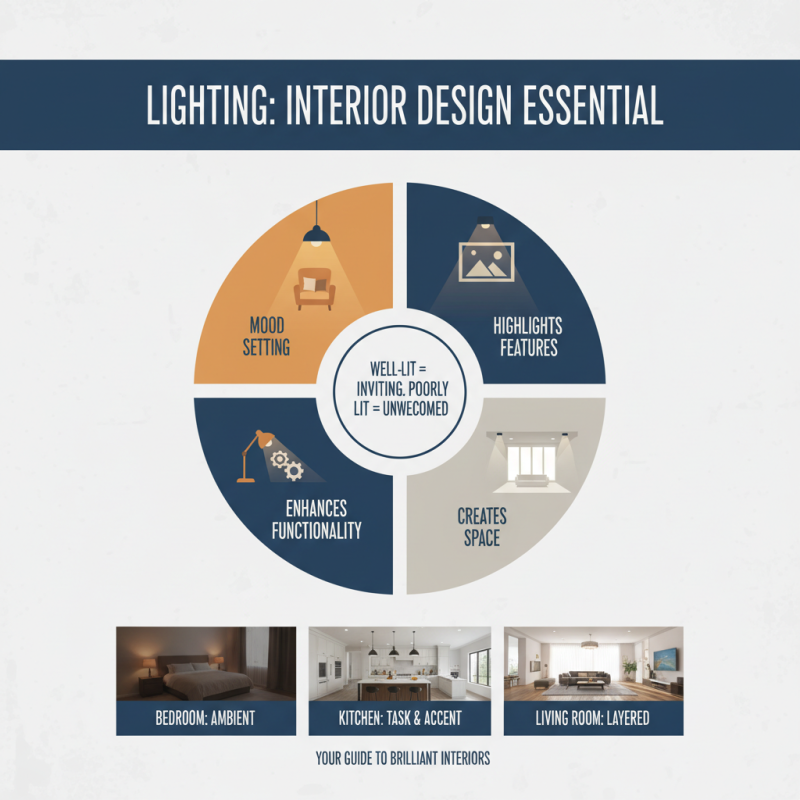
Lighting fixtures play a crucial role in enhancing the ambiance and functionality of any home. Understanding the importance of lighting in interior design can elevate a space, making it both inviting and stylish. Among the top types of lighting fixtures to consider are recessed lighting, which maximizes space while contributing to an aesthetic appeal, and pendant lights, known for their versatility in dining and kitchen areas.
Chandeliers offer a historical touch combined with modern interpretations, serving as focal points in various rooms. Sconces provide a seamless blend of functionality and style, making them ideal for hallways or living areas. Additionally, floor and table lamps offer flexibility for ambient lighting, allowing homeowners to create cozy settings. By thoughtfully incorporating these lighting fixtures, one can significantly enhance the overall decor and atmosphere of their home.