Top Lighting Fixture Trends for Global Buyers in 2026?
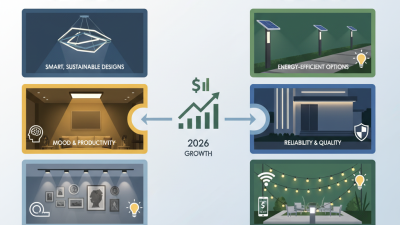
As we move towards 2026, the lighting fixture market is evolving rapidly. Recent reports from markets such as Statista indicate that global demand for lighting fixtures is projected to reach $120 billion by 2026. This growth reflects an increasing awareness of energy efficiency and innovative designs. Factors such as advancements in LED technology and smart home integration play a crucial role in this evolution.
Lighting fixtures are becoming central in creating ambiance and enhancing functionality in spaces. The trend is shifting towards energy-efficient solutions that reduce operational costs. According to the International Energy Agency, LED lighting can save up to 75% more energy than traditional lighting. This creates a unique opportunity for buyers to invest in sustainable options that align with global climate goals.
However, challenges persist. The rapid pace of innovation often leaves buyers confused about which products best suit their needs. Many are still unfamiliar with smart lighting capabilities and their benefits. Education and guidance will be essential for stakeholders navigating this changing landscape. With continuous advancements, buyers must stay informed to make sound choices in the lighting fixture market.
Emerging Sustainable Materials in Lighting Fixture Production
The lighting industry is evolving rapidly, focusing on sustainability. Manufacturers are increasingly exploring innovative materials for lighting fixtures. These materials reduce environmental impact and offer unique designs. Biodegradable plastics and recycled metals are gaining popularity. They allow for stylish fixtures while staying eco-friendly.
Companies are experimenting with natural materials too. Bamboo, cork, and organic composites create warm, inviting atmospheres. The appeal lies in their aesthetic qualities and low carbon footprints. However, the sourcing of these materials can pose challenges. Sustainable extraction must be balanced with supply chain limits.
Creativity in design is pushing boundaries, yet drawbacks remain. Some materials may not offer the durability consumers expect. Other options might struggle with achieving desired light quality. As the market adapts, ongoing research is vital. Fostering a culture of innovation will guide future trends in eco-friendly lighting.
Innovative Smart Lighting Solutions for Modern Spaces
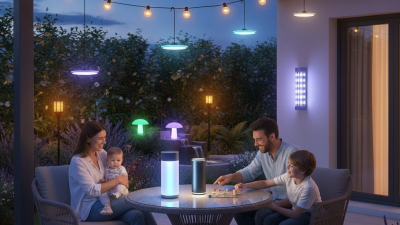
As we look towards 2026, innovative smart lighting solutions are transforming modern spaces across diverse environments. Smart lighting technology focuses on energy efficiency, automation, and user experience. According to a recent report from the International Energy Agency (IEA), smart lighting can reduce energy consumption by up to 50% in residential areas alone. This shift is crucial as homes and offices increasingly prioritize sustainability.
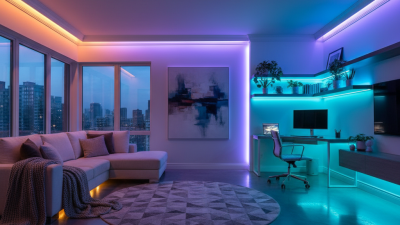
Smart lighting systems are now equipped with features like adaptive brightness and color temperature adjustments. These systems not only enhance ambiance but also support mental well-being. The American Psychological Association (APA) indicates that appropriate lighting can significantly improve productivity and mood. Many users still struggle with understanding the full potential of these systems. The initial setup and learning curve can be daunting.
Yet, as technology evolves, the user experience becomes more intuitive. A survey by Research and Markets suggests that 70% of users appreciate the convenience of controlling lights via smartphones. However, challenges remain in interoperability among different devices and platforms. Users often find themselves grappling with compatibility issues, which can lead to frustration. The journey to fully embrace smart lighting is still a work in progress, yet the benefits offer promising motivation for those willing to adapt.
Top Lighting Fixture Trends for Global Buyers in 2026
Trends in Customization and Personalization of Lighting Fixtures
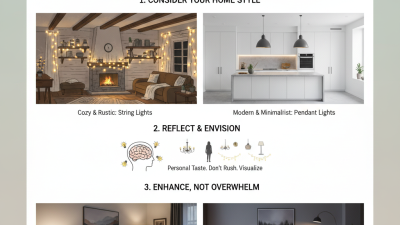
In 2026, lighting fixture trends will heavily lean towards customization and personalization. Buyers seek unique designs that reflect their individual styles and preferences. Customizable lighting allows homeowners to express their personalities, transforming spaces into personal sanctuaries. Designs can vary from color and shape to functionality, catering to diverse needs.
Tips for customizing lighting include exploring different materials like wood or metal. This choice impacts the overall aesthetic. Consider dimmable options for versatility. They provide ambient lighting that adapts to mood and occasion.
Another trend is the integration of smart technology. This allows users to control lighting through apps. However, not all systems are user-friendly. It’s crucial to evaluate the ease of integration with existing home setups. Do the research before committing to a system. Personalization might bring challenges, but addressing them ensures a unique lighting experience tailored to you.
Top Lighting Fixture Trends for Global Buyers in 2026
| Trend |
Description |
Year of Popularity |
Target Market |
| Smart Lighting |
Integration with smart home systems for enhanced control and personalization. |
2026 |
Tech-savvy consumers |
| Eco-friendly Materials |
Use of sustainable materials in production to reduce environmental impact. |
2026 |
Environmentally conscious buyers |
| Customizable Designs |
Offer options for customers to choose colors, shapes, and sizes. |
2026 |
Homeowners and interior designers |
| Energy Efficiency |
Increased focus on LED options and energy-saving features. |
2026 |
Commercial and residential users |
| Minimalistic Styles |
Simple and sleek designs that fit modern aesthetics. |
2026 |
Urban dwellers |
Impact of Technology on Energy Efficiency in Lighting Design
The lighting industry is undergoing transformative changes driven by technology. Energy efficiency is now a top priority for global buyers. According to a recent report from the International Energy Agency, energy-efficient lighting can reduce global electricity consumption by approximately 15% by 2030. This shift not only lowers costs but also significantly reduces carbon footprints.
Smart lighting solutions are emerging as a key trend. These systems adjust brightness and color temperature based on natural light availability. For instance, wireless control systems can be integrated into buildings, optimizing energy use. Estimates suggest that these smart technologies can lead to a 30% reduction in energy consumption compared to traditional fixtures. It's essential to consider the long-term savings when investing in these advancements.
Tip: Always assess the total cost of ownership when selecting lighting systems. Short-term investments might lead to higher expenses down the line.
Another significant trend is the adoption of solid-state lighting, such as LED technology. Reports project that the global LED market will grow at a compound annual growth rate of over 13% by 2026. While LEDs are efficient, they can be costly upfront. It’s crucial to ensure these decisions fit your specific needs and budget.
Tip: Experiment with different lighting designs in your space before committing. Test runs can provide insight into performance and aesthetics without significant investment.
Design Aesthetics Influencing Global Lighting Fixture Trends
The global lighting fixture market is rapidly evolving, driven by design aesthetics that resonate with modern buyers. As reported by industry analysts, the market is expected to reach $180 billion by 2026, highlighting a significant shift towards sustainability and minimalism. Consumers are increasingly drawn to fixtures that combine functionality with artistic expression, reflecting individual lifestyles and preferences.
Sustainable materials are gaining traction. Fixtures crafted from recycled metals and eco-friendly glass are becoming popular. According to a report by the Global Design Research Institute, 68% of buyers prioritize sustainability in their purchasing decisions. This trend indicates a profound shift in consumer behavior. However, it poses challenges for manufacturers striving to balance aesthetic appeal with sustainable practices.
Additionally, there is a notable movement towards smart lighting solutions. Integrating technology with design is not just a luxury anymore. Users seek fixtures that adapt to their environments and moods. Yet, the rapid adoption of smart technologies brings about concerns regarding data security and user privacy. The complexity of these products can deter some consumers. As the market matures, these reflections on design and technology will shape future lighting trends.



 Email
Email Whatsapp
 WeChat