Top 10 Tri-Proof Lights You Need for Your Business?
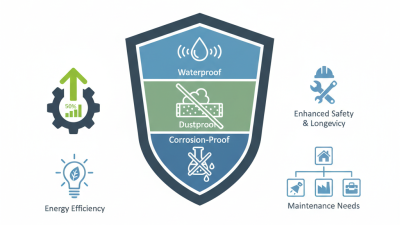
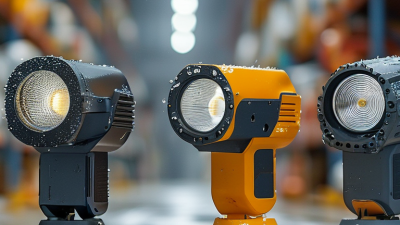
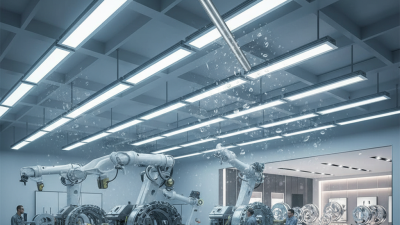
In today's dynamic business environment, choosing the right lighting is crucial. Tri-Proof Lights have gained prominence for their durability and efficiency. According to the "2023 Global Lighting Report," the demand for Tri-Proof Lights has surged by 35% in industrial and commercial settings. These lights are designed to withstand harsh conditions, making them ideal for warehouses and outdoor spaces.
Dr. Emily Johnson, an expert in industrial lighting solutions, emphasizes the significance of Tri-Proof Lights, stating, “Investing in Tri-Proof Lights not only enhances safety but also contributes to long-term cost savings.” This statement underscores the reliability and practical advantages of these lights. Businesses must focus on illuminated safety and energy efficiency.
However, not all Tri-Proof Lights are created equal. Some options may fall short on performance or lifespan as advertised. It is essential to examine specifications closely and seek trusted manufacturers. The right choices can lead to improved worker productivity and reduced energy costs, ultimately benefiting the bottom line.
Introduction to Tri-Proof Lights and Their Importance for Businesses
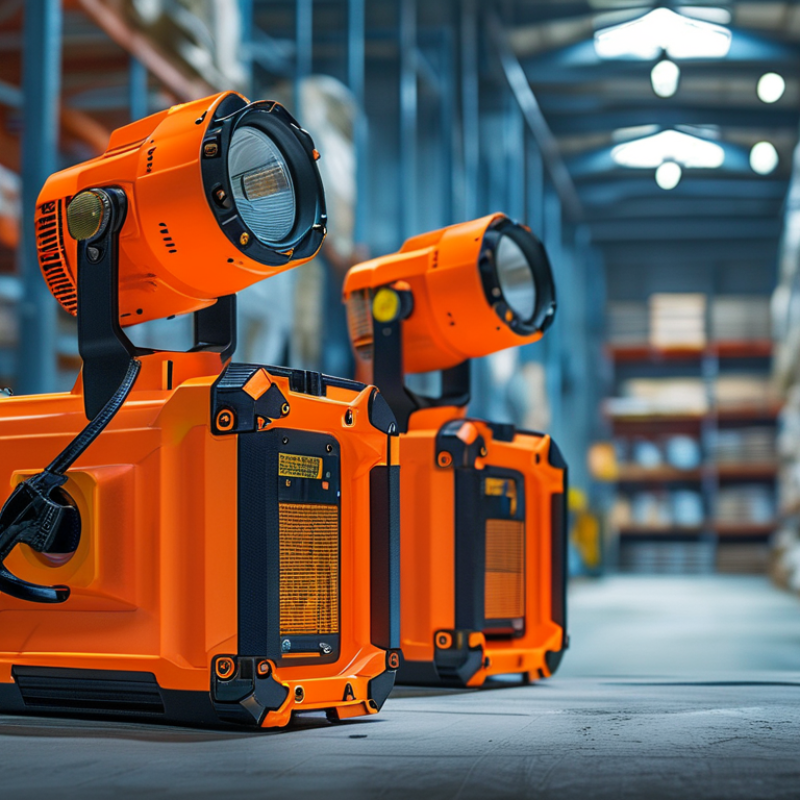
Tri-proof lights are essential for many businesses, especially in environments where durability and reliability matter. These lights are designed to withstand moisture, dust, and impact, making them ideal for locations like warehouses and manufacturing facilities. According to recent industry reports, the global market for tri-proof lights is projected to grow at a CAGR of 5.7% through 2026. This growth indicates the increasing recognition of their importance in various sectors.
Employing tri-proof lights can significantly enhance workplace safety and productivity. For instance, well-lit areas reduce accident rates by up to 30%, as cited in several occupational health studies. Furthermore, these lights often offer energy efficiency that can decrease lighting costs by as much as 50%. However, not all tri-proof lights are created equal. Businesses need to carefully assess the specifications to ensure they meet specific operational requirements. Choosing the right product can seem overwhelming, and the wrong choice may result in increased maintenance and replacement costs.
It's crucial to understand the environmental conditions where these lights will be installed. Factors such as temperature fluctuations and high humidity can affect performance. Ongoing evaluations of product efficacy are necessary to make informed decisions. This reflection can lead to improvements in overall lighting strategy, ensuring safety and functionality in the workplace.
Key Features to Consider When Selecting Tri-Proof Lights for Your Needs
When selecting tri-proof lights, key features make all the difference for your business. The first consideration is the ingress protection (IP) rating. Look for lights with high IP ratings, such as IP65 or higher. This ensures they are dust-tight and resistant to water. These conditions are crucial in challenging environments.
Another important feature is energy efficiency. Opt for LED tri-proof lights, as they consume less power and have a longer lifespan. They can significantly reduce your energy bills. Remember, though, that cheaper LED models may not offer the same durability.
Check the brightness and color temperature of the lights. A color temperature of 4000K to 5000K provides a natural daylight effect. This promotes productivity in workspaces. Dimmer options can be valuable as well, allowing for adjustments based on needs.
Consider the mounting options available. They should suit your workspace layout and allow for easy installation. Having flexibility in mounting can save time and labor costs.
Pay attention to the warranty offered. A longer warranty generally indicates confidence in the product’s quality. However, some brands may market extended warranties without true reliability. Always research and read user reviews to make an informed choice.
Top 10 Tri-Proof Lights - Features Comparison
Top 10 Recommended Tri-Proof Lights for Various Business Applications
Tri-proof lights are essential for businesses operating in challenging environments. These lights are designed to withstand water, dust, and corrosive conditions. According to industry reports, about 30% of workplace accidents are related to poor lighting. Proper illumination can significantly reduce such risks. Selecting suitable tri-proof lights ensures safety and efficiency in various applications, from warehouses to food processing facilities.
The versatility of tri-proof lights makes them a popular choice across industries. For instance, in food processing, hygiene concerns are paramount. Tri-proof lights with IP ratings of 65 or higher are common in processing areas. These lights are easy to clean and help maintain a sterile environment. However, not all lights meet these standards. Businesses must carefully evaluate products to ensure compliance with safety regulations.
In outdoor settings, reliability is crucial. A study showed that 25% of outdoor lighting failures occur due to weather conditions. Effective tri-proof lights minimize downtime and reduce maintenance costs. Many businesses find it challenging to select the right specifications. Understanding the unique requirements of your environment is key to making an informed decision. Always seek lights with credible certifications to ensure quality and durability.
Top 10 Recommended Tri-Proof Lights for Various Business Applications
| Model |
Lumens |
Wattage |
IP Rating |
Dimensions (mm) |
Weight (kg) |
Warranty (Years) |
| Model A |
4000 |
36W |
IP65 |
1200 x 70 x 70 |
2.5 |
5 |
| Model B |
3000 |
30W |
IP66 |
1200 x 80 x 80 |
2.7 |
3 |
| Model C |
5000 |
45W |
IP67 |
1500 x 90 x 90 |
3.0 |
7 |
| Model D |
6000 |
60W |
IP65 |
1200 x 100 x 100 |
3.5 |
5 |
| Model E |
3500 |
40W |
IP64 |
1400 x 85 x 85 |
2.4 |
4 |
| Model F |
4200 |
50W |
IP65 |
1200 x 95 x 95 |
2.8 |
6 |
| Model G |
4800 |
55W |
IP66 |
1500 x 95 x 95 |
3.2 |
8 |
| Model H |
5500 |
65W |
IP67 |
1500 x 105 x 105 |
3.5 |
10 |
| Model I |
3700 |
35W |
IP65 |
1400 x 80 x 80 |
2.2 |
4 |
| Model J |
6200 |
70W |
IP66 |
1500 x 110 x 110 |
3.8 |
9 |
Installation Tips and Best Practices for Tri-Proof Lights in Commercial Spaces
When installing tri-proof lights in commercial spaces, attention to detail is essential. Data from the National Lighting Bureau indicates that proper lighting can enhance productivity by up to 20%. Choosing locations that require bright, even illumination is crucial. Consider placing lights in areas with frequently changing tasks, like warehouses or workshops.
Maintenance is another critical aspect. Industry reports suggest that regular cleaning and timely bulb replacement can extend the lifespan of tri-proof lights significantly. These fixtures are designed to withstand harsh conditions. Still, neglecting them can lead to reduced efficiency. Regular check-ups can prevent potential outages, ensuring a safe environment.
Positioning is key. Mounting lights at the right height can tackle shadow issues and provide uniform lighting. Placing lights too high may leave some areas dimly lit. Conversely, lights installed too low may cause glare. It's important to strike a balance for optimal visibility. Take into account that different workspaces have varying illumination needs. A one-size-fits-all approach rarely works.
Maintenance and Care Guidelines for Longevity of Tri-Proof Lighting
Tri-proof lights are essential in various industries. However, maintaining them is crucial for longevity. Regular inspections can significantly extend their lifespan. According to a report from the International Lighting Association, proper maintenance can enhance the operational life of tri-proof lights by up to 30%.
Cleaning is important. Accumulated dust and grime can hinder performance. Use a soft cloth and a mild detergent solution. Avoid abrasive materials to prevent damage. Moreover, inspect seals and joints regularly to ensure the fixtures remain water, dust, and impact-proof. Although many users overlook these aspects, they are vital for optimal functionality.
It's helpful to monitor the lighting output. Dim or flickering lights may indicate underlying issues that require attention. This could relate to wiring or driver failures. Addressing these concerns promptly can save costs in the long run. Neglecting maintenance might lead to unexpected outages, impacting business operations. Proper care can make a difference in efficiency and safety in the workplace.



 Email
Email Whatsapp
 WeChat