Leave Your Message

China Best Changecolor Lights Manufacturer or Supplier?

Choosing the best Changecolor Lights manufacturer or supplier in China requires more than comparing catalog prices. It requires evidence.

The International Energy Agency’s Energy Efficiency 2023 report highlights LEDs as a major efficiency opportunity. The U.S. Department of Energy also reports that LED products can use at least 75% less energy than incandescent lamps. These figures explain the market’s shift toward programmable, color-changing systems. However, efficiency alone does not guarantee reliable performance. A showroom sample may look brilliant, yet fail after repeated color transitions.

Dr. Mariana Figueiro, a leading lighting researcher, has stated, “Light is not just for vision; it is also a powerful stimulus for the circadian system.” Her observation matters when Changecolor Lights are installed in hotels, retail spaces, restaurants, or entertainment venues. Color accuracy, dimming stability, flicker control, heat management, and user comfort should be evaluated together. The Illuminating Engineering Society and CIE guidance can support this assessment, especially for photometric testing and visual quality.

A dependable Chinese supplier should provide LM-79-style photometric reports, LED bin information, control compatibility, sample testing, and clear warranty terms. Ask for actual test records, not attractive promises. Check whether products support DMX512, DALI, Bluetooth, or other required protocols. Review factory experience, quality-control procedures, and export documentation.

The lowest quotation is rarely the complete answer. It may exclude controllers, installation support, spare parts, or testing. My own practical concern is simple: product pages often describe brilliance, but not failure rates. That gap deserves attention. This guide compares China’s Changecolor Lights manufacturers and suppliers through performance, customization, certification, service, and long-term value.
China Best Changecolor Lights Manufacturer or Supplier?

Changecolor Lights: Definition, Features, and Main Applications

Changecolor lights are LED fixtures that adjust their visible color through electronic control. They may use RGB, RGBW, or tunable white technology. RGB mixes red, green, and blue light. RGBW adds a dedicated white channel for cleaner illumination. Tunable white models shift between warm and cool color temperatures.

Their main features include programmable colors, dimming, remote control, and scene memory. Some fixtures support DMX, wireless systems, or standard wall controllers.

Reliable products should provide stable color mixing, low flicker, efficient heat management, and clear technical specifications.

Check the beam angle, lumen output, color accuracy, and IP rating before installation. These details affect real performance.

Installation experience often reveals small problems early. A bright fixture may still create uneven walls or visible color shadows. Poor ventilation can also shorten LED life. That is easy to overlook.

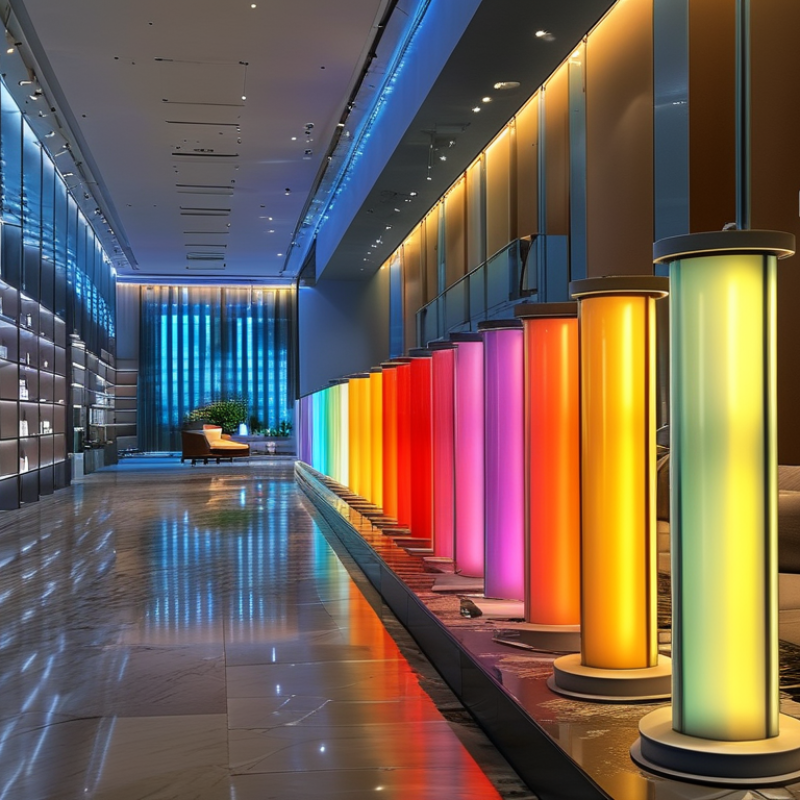
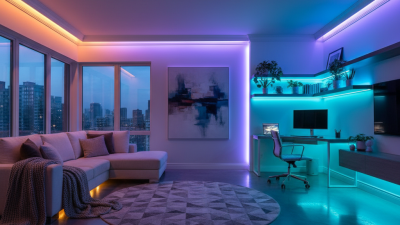
Changecolor lights suit retail displays, hotel lobbies, restaurants, event spaces, stage areas, gardens, and residential rooms. Designers can create calm warm-white scenes, vivid promotional colors, or gentle evening transitions.

For outdoor projects, sealed housing and suitable cable protection matter. For commercial sourcing, buyers should request samples, testing data, warranty terms, and production consistency from a qualified manufacturer or supplier in China. Color claims should be verified under actual operating conditions.
How Changecolor Lights Work and Which Technologies They Use

Changecolor lights create different colors by combining red, green, and blue LED chips. Each chip produces a separate light channel. A controller adjusts their brightness, often through pulse-width modulation. Higher brightness creates stronger color output.

Many professional fixtures add a white LED channel. RGBW systems produce cleaner white light than RGB-only designs. They also improve skin tones and product visibility. Tunable-white models use warm and cool white LEDs, usually ranging from about 2700K to 6500K. Some advanced fixtures include amber or lime chips for smoother pastel colors.

Control technology matters as much as the LED arrangement. Simple products use infrared remotes or wireless apps. Commercial installations often use DMX512 for accurate, synchronized control. Addressable systems give each LED section an individual signal. This allows running effects, gradients, and moving color patterns. Heat management remains critical. Aluminum housings, thermal pads, and controlled current help protect LED life. Poor cooling can cause fading, flicker, or uneven colors.

More color channels do not always mean better lighting. Optical design, diffuser quality, and calibration also affect the result. In field testing, two fixtures with similar specifications may look noticeably different on a white wall. This is an area worth questioning. Buyers should request lumen data, color consistency information, control compatibility, and sample testing before selecting a manufacturer or supplier.

China Best Changecolor Lights Manufacturer or Supplier? - How Changecolor Lights Work and Which Technologies They Use

Technology or Component How It Works Typical Color Capability Main Advantages Common Limitations Suitable Applications
RGB LED Combines separate red, green, and blue LED channels. The light output of each channel is adjusted, usually through pulse-width modulation (PWM), to create mixed colors. Millions of perceived colors through additive color mixing; white is produced by combining the three channels. Cost-effective, fast color changes, compact construction, and broad availability. Mixed white can have a lower color-rendering quality than dedicated white LEDs; color balance may vary between LED batches. Decorative strips, signs, architectural accents, entertainment lighting, and mood lighting.
RGBW LED Uses red, green, blue, and a dedicated white LED channel. The white channel produces white light independently instead of relying only on RGB mixing. Full-color effects plus dedicated white light, commonly available in warm white, neutral white, or cool white versions. Better white-light quality, improved efficiency for white output, and more flexible color temperature control. Usually costs more and requires additional channels, wiring, and control capability. Retail displays, hospitality spaces, residential lighting, exhibitions, and architectural installations.
RGBA or RGBW+A LED Adds an amber channel to RGB or RGBW channels. Amber improves the reproduction of warm tones and can support warmer white mixtures. Expanded color gamut with improved amber, orange, and warm-white rendering. Better warm-color fidelity and smoother transitions in sunset, candlelight, and theatrical effects. More complex calibration, higher system cost, and additional control channels. Stage lighting, film and television production, museums, premium hospitality, and entertainment venues.
Tunable White LED Combines warm-white and cool-white LED channels. Independent dimming changes the correlated color temperature (CCT) while controlling brightness. Adjustable white light, often across an approximate range of 2,700 K to 6,500 K, depending on the product. Useful for daylight simulation, visual comfort, and task-to-ambient lighting adjustments. Does not provide the same saturated color range as RGB-based systems. Offices, homes, healthcare areas, hotels, classrooms, and circadian-oriented lighting systems.
Addressable or Individually Controlled LED Each LED package or pixel receives digital control data, allowing different colors and brightness levels in separate sections of the same fixture. Dynamic patterns, gradients, animations, chasing effects, and pixel-level color control. Highly programmable effects and precise spatial control. Requires compatible controllers, data management, power-injection planning, and correct signal wiring. Media façades, event displays, digital art, amusement venues, signage, and interactive installations.
PWM Dimming Rapidly switches an LED channel on and off. The duty cycle controls the average brightness while the switching frequency is normally too fast for the eye to distinguish. Supports independent brightness control of RGB, RGBW, or tunable-white channels. Good color consistency at different brightness levels and efficient electronic control. Low PWM frequencies may create visible flicker or camera banding; driver quality is important. Most electronic color-changing lamps, strips, panels, and luminaires.
DMX512 Control A digital lighting-control protocol sends channel values from a controller to fixtures. A conventional DMX512 universe provides up to 512 control slots. Multi-channel color, dimming, effects, scenes, and synchronized fixture control. Widely used for professional lighting and suitable for real-time coordinated control. Needs compatible control equipment, addressing, cabling, and installation configuration. Theaters, concerts, event halls, studios, clubs, and large architectural projects.
DALI-2 Control A digital addressable lighting-control system that allows individual or grouped control of compatible drivers and luminaires. Dimming and, with suitable devices, tunable-white or color-control functions. Provides addressable control, status feedback, scene management, and building-system integration. Requires compatible equipment and professional commissioning; not every DALI device supports full-color control. Commercial buildings, offices, hotels, educational facilities, and smart-lighting projects.
Wireless Lighting Control Wireless protocols transmit commands from a remote control, mobile application, gateway, or building-management system to the light or its controller. Color selection, brightness adjustment, scenes, schedules, and sometimes sensor-based automation. Flexible installation, convenient user control, and reduced control wiring. Performance depends on network range, interference, software compatibility, and cybersecurity practices. Homes, retail spaces, hotels, offices, temporary installations, and retrofit projects.
Selection Notes: Actual brightness, color accuracy, power consumption, IP rating, lifetime, flicker performance, control range, and operating temperature depend on the LED package, driver, optical design, thermal management, and installation conditions. Product specifications should be verified through independent test reports and applicable electrical-safety requirements.

Key Factors for Evaluating Changecolor Light Manufacturers

China Best Changecolor Lights Manufacturer or Supplier?

Key Factors for Evaluating Changecolor Light Manufacturers

Choosing a changecolor light manufacturer requires more than comparing prices. Examine product experience, production records, and technical testing methods. An established factory should explain how LEDs, drivers, lenses, and housings work together. Ask for samples with identical settings. Check color transitions, brightness stability, heat control, and operating noise.

Request measurable details. These may include color range, color rendering performance, lifetime estimates, protection ratings, and control compatibility. Reliable suppliers provide test reports, inspection records, installation guidance, and clear warranty terms. Visit the production site if possible. Observe soldering quality, cable management, aging tests, and storage conditions. A clean showroom is not enough.

Production consistency matters greatly. Test several units from different batches, not just one sample. Look for uneven colors, delayed responses, loose connectors, or flickering at low brightness. Communication also reveals professional capability. Technical staff should answer directly and admit product limitations. No evaluation is perfect. I have seen attractive samples perform poorly after extended heat exposure. That is why independent testing and written specifications remain important. A dependable partner supports customization without sacrificing safety, documentation, or repeatable quality.

China’s Changecolor Light Supply Chain and Customization Services

China Best Changecolor Lights Manufacturer or Supplier?

China’s changecolor light supply chain covers LED chips, drivers, housings, lenses, controllers, and final assembly. The International Energy Agency reports that lighting consumes about 15% of global electricity. This keeps efficiency central to product selection. China’s dense supplier network supports fast sampling and flexible customization. Buyers can request RGB, RGBW, tunable white, waterproof, or app-controlled designs. Small-batch testing is also practical.

Customization should begin with a clear technical brief. Define lumen output, color accuracy, beam angle, IP rating, control protocol, and operating temperature. A supplier should provide samples, photometric files, aging-test records, and traceable component details. The U.S. Department of Energy has documented LED efficacy above 100 lumens per watt in many commercial products. However, real performance depends on thermal design and driver quality. A bright sample may still fail after months of heat exposure. That weakness deserves attention.

Tips: Compare at least three factories using the same specification sheet. Ask for independent safety and EMC testing under applicable IEC, EN, or regional requirements. Confirm lead times for components, not only assembly. China Customs data and industry reports show China remains a major lighting exporter, but export scale does not guarantee consistent quality. Inspect random production samples before shipment. Also, leave room for revision; the first design is rarely perfect.

How to Choose the Right China Changecolor Light Supplier

How to Choose the Right China Changecolor Light Supplier

Choosing a China changecolor light supplier requires more than comparing online prices. Request product samples before discussing large quantities. Test color transitions, brightness stability, heat control, and remote operation in real conditions. A sample may perform well for one evening, but longer testing can reveal flickering or uneven color mixing.

Ask for clear technical documents, including input voltage, power consumption, LED lifespan, color rendering data, and protection ratings. Confirm whether the supplier follows recognized safety and electromagnetic compatibility requirements for your market. Inspect production records, aging-test procedures, and quality-control checkpoints. Photos are useful, but independent factory verification is more reliable. Small details matter.

Check how the supplier handles customization. Confirm housing materials, control protocols, packaging strength, spare parts, and minimum order quantities. Request a written schedule with sample approval and shipment dates. Warranty terms should explain exclusions, response times, and replacement procedures. A low quotation can hide weak support or inconsistent components. That risk is easy to underestimate. No checklist is perfect. Recheck color consistency across several units, especially when the lights will cover a large venue. Clear communication also matters; delayed answers often become delayed production. A dependable supplier welcomes technical questions and provides test evidence instead of making vague promises.