Leave Your Message

What Is Changecolor Lights and How Do They Work?

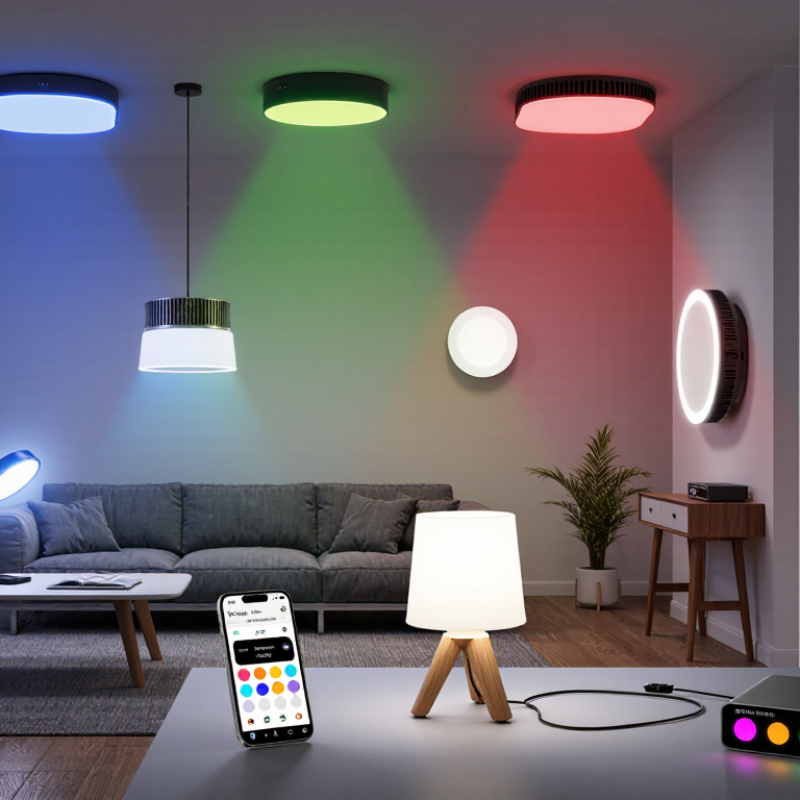
Changecolor Lights are LED fixtures designed to shift between hues, tones, and brightness levels. They may respond to a remote, wall switch, mobile application, or automated control system. The visible effect looks simple. The engineering is not.

Most models combine red, green, and blue LED channels, often with a separate white channel. By adjusting each channel’s electrical current, the fixture creates millions of perceived colors. Some products use RGBW technology, which adds a dedicated white diode for cleaner neutral light. That difference matters. A vivid blue wall and a comfortable reading lamp require different optical decisions.

Industry data explains why this technology is expanding. The U.S. Department of Energy reports that LED lighting uses at least 75% less energy and can last up to 25 times longer than incandescent lighting. Its 2023 Solid-State Lighting R&D Opportunities report also emphasizes efficiency, controls, and improved light quality. Grand View Research estimated the global smart lighting market at approximately USD 15.9 billion in 2023, with strong growth expected through 2030. However, smart lighting figures include connected lamps, sensors, and control platforms, not only Changecolor Lights. That distinction is often overlooked.

This guide examines how color mixing, drivers, controllers, and communication protocols work together. It also considers installation, color accuracy, heat management, and daily usability. A lower price does not always mean lower value. Sometimes, it means weaker white light or limited control. Real experience begins with testing the light at eye level, on a painted wall, and during ordinary evening use. Technology still has imperfections. Good selection requires noticing them.
What Is Changecolor Lights and How Do They Work?

What Are Color-Changing Lights?

What Are Color-Changing Lights?

Color-changing lights are lighting fixtures that can shift between different colors and brightness levels. Most use red, green, and blue LEDs, often called RGB LEDs. A controller adjusts each color channel separately. Mixing these channels creates shades such as purple, orange, or soft blue. Some fixtures include a dedicated white LED. This produces cleaner white light than mixing RGB colors alone. The result can feel warm, playful, or surprisingly calm.

In real rooms, color-changing lights respond to a remote, wall control, mobile app, or automated schedule. The control signal changes the LED output within seconds. Many systems also offer fading, flashing, or music-responsive effects. However, color quality depends on the LED design, diffuser, and room surfaces. A bright red wall may make nearby colors look uneven. This detail is easy to miss. For reading, a stable white setting usually works better than a strong colored effect. I would not rely on colorful light for every task.

Tips: Check the white-light range before buying. A wider range supports both warm evening light and cooler work light. Test brightness at the actual installation height. Colors often appear weaker on ceilings. Keep controls simple. Too many settings can become frustrating. Also, allow the light to run briefly before judging its color. Some fixtures look different after warming up.
What Are Color-Changing Lights?

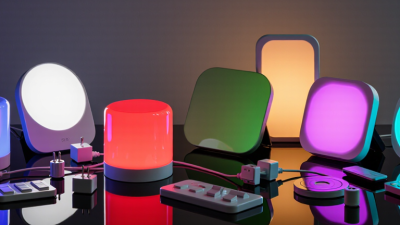
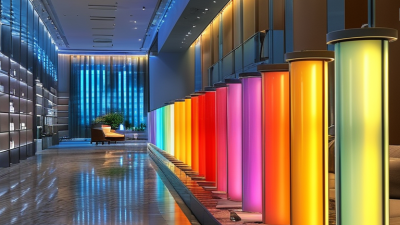
Color-changing lights use adjustable red, green, and blue LED channels. By changing the intensity of each channel, the light can create different colors through additive color mixing. The chart shows the approximate visible-wavelength ranges commonly associated with these three color channels.

What Components Make Color-Changing Lights Work?

What Is Changecolor Lights and How Do They Work?

Color-changing lights rely on several small components working together. The light source is usually an RGB LED, containing red, green, and blue diodes. By adjusting each diode’s brightness, the fixture creates thousands of visible colors. Some advanced units add a white diode for softer, more natural illumination. This makes a difference. Pure RGB white can look slightly blue or gray.

A control circuit manages these color changes. It receives commands from a remote, wall switch, timer, or wireless connection. The controller then uses pulse-width modulation to switch LED channels rapidly. Human eyes blend these flashes into steady colors. A reliable power supply provides stable voltage, while a circuit board distributes electricity safely. If the power supply is weak, colors may flicker or fail to reach full brightness.

The housing also matters. A diffuser spreads light across the surface and reduces harsh dots. Aluminum parts may carry heat away from the LEDs, protecting their performance over time. During installation, I have noticed that hidden heat often causes more trouble than visible wiring. Placement affects color, too. A light aimed at a white wall appears different from one aimed at dark wood. Sensors can add automatic responses, such as changing brightness when the room becomes occupied. Still, wireless controls may respond slowly through thick walls. That limitation deserves attention.

How Do Color-Changing Lights Produce Different Colors?

Color-changing lights create different colors by mixing controlled amounts of red, green, and blue light. Each color usually comes from a separate LED channel. When all three channels operate at similar intensity, the eye may perceive white light. More red produces warmer tones, while stronger blue creates cooler shades. It is additive mixing, not colored glass.

A small controller adjusts electrical current or rapidly switches each channel on and off. This method is called pulse-width modulation, or PWM. It can make a red channel appear dimmer without changing its basic wavelength. Some systems add a dedicated white LED, improving brightness and color quality. The U.S. Department of Energy’s Solid-State Lighting R&D Opportunities report identifies laboratory LED efficacy above 200 lumens per watt, although ordinary products often perform below that level. Efficiency still changes with color. Blue-heavy settings can consume different power than balanced white light.

The science sounds tidy. Real rooms are messier. Heat, diffuser materials, and LED aging can shift the visible result. The International Energy Agency reports that LED lighting now represents most global lighting sales, increasing the importance of reliable control and performance testing. In practice, two lights set to “warm white” may not look identical. Their color temperature, color rendering, and calibration can differ. That small mismatch is easy to overlook.

How Are Color-Changing Lights Controlled?

What Are Color-Changing Lights and How Do They Work?

Color-changing lights use red, green, and blue LED channels to create adjustable colors. Some models add a white channel for softer, more natural light. A small controller changes each channel’s brightness through pulse-width modulation, producing colors from warm amber to vivid blue. The United States Department of Energy reports that LED lighting uses at least 75% less energy than incandescent lighting and lasts up to 25 times longer.

How Are Color-Changing Lights Controlled?

Control usually comes from a wall switch, handheld remote, mobile application, voice interface, or building automation system. Wireless signals send color, brightness, and timing commands to a receiver inside the fixture. Wired systems can use digital lighting protocols for precise control across large installations. Sensors may also adjust output when people enter a room or daylight changes.

The International Energy Agency estimates that lighting represents about 15% of global electricity consumption. Better control can reduce unnecessary operating hours, although actual savings depend on settings and user behavior. In real installations, poor calibration can create uneven colors, delayed responses, or uncomfortable flicker. That detail is easy to overlook. A practical commissioning process checks dimming performance, signal range, color consistency, and nighttime brightness before daily use. Some systems appear intelligent, but they still need thoughtful human adjustment.

Where Are Color-Changing Lights Commonly Used?

What Is Changecolor Lights and How Do They Work?

Color-changing lights use light-emitting diodes with separate red, green, and blue channels. By adjusting each channel’s brightness, the light creates many colors, including soft amber, cool white, and deep violet. A controller sends signals to the internal circuit. Users can change colors through a wall switch, remote control, timer, or mobile application. Some systems also respond to music or movement, although these features may need careful setup.

Where Are Color-Changing Lights Commonly Used?

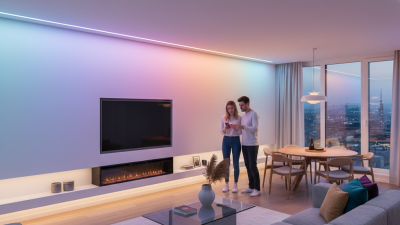
Homes often use them in bedrooms, living rooms, kitchens, and children’s study areas. A warm orange tone can make an evening room feel calmer. Cooler colors may support focused tasks at a desk, but color alone cannot replace proper lighting. In restaurants, hotels, and event spaces, these lights help create different moods without replacing the main illumination. They are also useful around shelves, cabinets, stair edges, and outdoor seating areas.

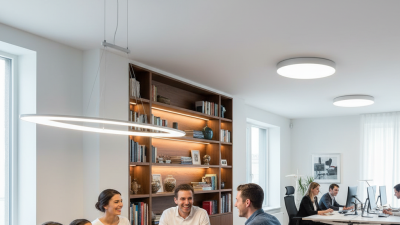
Retail stores use changing colors to highlight displays or guide attention. Museums and galleries may adjust lighting for atmosphere, but sensitive artwork requires professional brightness and color-control limits. In offices, subtle color changes can support events or shared spaces. Too much motion becomes distracting. In my experience, simple scenes usually work better than constant color cycling. Results can also vary with wall paint, diffuser quality, and nearby daylight. A room may look elegant in the evening but strangely uneven at noon. Testing the light in its actual location remains the most reliable approach.

What Is Changecolor Lights and How Do They Work? - Where Are Color-Changing Lights Commonly Used?

Data Dimension What It Means Typical Characteristics Common Applications
Definition Color-changing lights are lighting systems that can produce multiple colors or adjust color temperature electronically. Color, brightness, and lighting scenes can be changed without replacing the light source. Residential lighting, commercial interiors, entertainment spaces, hospitality, and outdoor decoration.
Primary Light Source Light-emitting diodes, commonly known as LEDs, generate the illumination. LEDs are compact, efficient, durable, and suitable for rapid electronic control. Bulbs, strip lights, panels, downlights, wall washers, signs, and decorative fixtures.
Color-Mixing Method Different LED channels are combined at controlled intensity levels to create the selected light output. RGB uses red, green, and blue channels; RGBW adds a dedicated white channel for improved white light. Color effects, accent lighting, architectural features, stages, gaming areas, and media rooms.
Color Temperature Color temperature describes whether white light appears warm, neutral, or cool. Warm white is commonly around 2,700–3,000 K; neutral white around 3,500–4,100 K; cool white around 5,000–6,500 K. Bedrooms, living rooms, offices, retail areas, kitchens, classrooms, and task-lighting environments.
Control Signal A control signal tells the light how to adjust color, intensity, timing, or operating mode. Common options include wall switches, remote controls, wireless networks, mobile applications, sensors, and automation systems. Smart homes, offices, hotels, event venues, public spaces, and automated building systems.
Brightness Control Brightness is adjusted by changing the electrical power delivered to the LED channels. Pulse-width modulation is widely used because it provides precise digital control while maintaining color consistency. Mood lighting, energy management, display lighting, nighttime settings, and visual comfort control.
Color Effects Pre-programmed or user-selected transitions change the appearance of the light over time. Typical effects include static color, fading, flashing, gradual transition, cycling, and scene-based operation. Parties, concerts, restaurants, themed attractions, holiday displays, and architectural installations.
Indoor Residential Use Color-changing lights support both everyday illumination and decorative atmosphere at home. Frequently installed in living rooms, bedrooms, kitchens, entertainment areas, and home offices. Relaxation, reading, movie watching, dining, gaming, circadian-friendly routines, and interior decoration.
Commercial and Hospitality Use Businesses use adjustable lighting to influence atmosphere, visibility, and customer experience. Lighting scenes can be scheduled for opening hours, events, promotions, and nighttime operation. Hotels, restaurants, cafés, shops, offices, museums, galleries, and reception areas.
Outdoor and Architectural Use Outdoor color-changing systems highlight structures, landscapes, pathways, and public installations. Weather-resistant fixtures may use sealed housings and require suitable protection against moisture and dust. Building façades, bridges, gardens, fountains, plazas, signs, parks, and landscape features.
Main Benefits One lighting system can provide functional white light and decorative colored light. Offers flexibility, programmable scenes, dimming, visual variety, and potential energy savings compared with many traditional light sources. Multi-purpose rooms, smart buildings, retail displays, entertainment spaces, and adaptable public environments.
Important Considerations Performance depends on the LED design, controller, power supply, installation environment, and intended use. Check color accuracy, brightness, heat management, compatibility, waterproof rating, control range, and installation requirements. Especially important for kitchens, workplaces, outdoor areas, commercial installations, and long operating periods.