China Top 10 Tri Proof Lights Manufacturers for Global Buyers?
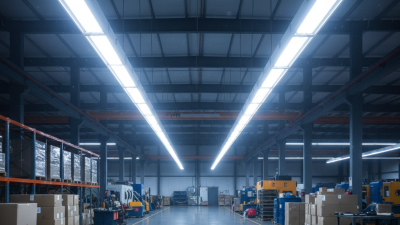
China’s Tri-Proof Lights market has become a practical sourcing destination for global buyers. Its manufacturers serve warehouses, parking areas, food-processing facilities, workshops, and outdoor service corridors. Yet factory quantity does not always mean dependable quality. Buyers still need to examine optical performance, sealing, thermal design, driver stability, and after-sales support.
Lighting researcher Peter Boyce once wrote, “The purpose of lighting is to make things visible.” This simple principle remains useful when comparing Chinese suppliers. A bright fixture may still create glare, uneven illumination, or uncomfortable shadows. Good Tri-Proof Lights should provide consistent output across long working hours. IP65 or IP66 protection matters in dusty and damp locations. IK08 impact resistance may also reduce replacement risks. These ratings require verification, not attractive catalog language.
This guide reviews ten Chinese manufacturers for international buyers. It considers product range, production experience, testing capacity, customization, certifications, warranty terms, and export service. Factory audits and sample testing are still advisable. A product can pass a laboratory test and perform poorly in a hot ceiling space. That uncomfortable possibility deserves attention. Price comparisons can also mislead when drivers, emergency options, packaging, and spare parts are excluded. The selected companies are therefore viewed from a buyer’s perspective, not only from promotional claims. Some rankings may change as technologies, suppliers, and market requirements develop. That is normal. Reliable sourcing requires evidence, questions, and a willingness to reconsider early assumptions.
What Are Tri-Proof Lights and Why Do Global Buyers Choose China?
China Top 10 Tri Proof Lights Manufacturers for Global Buyers?
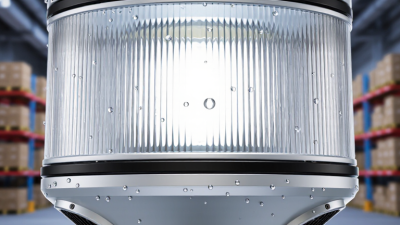
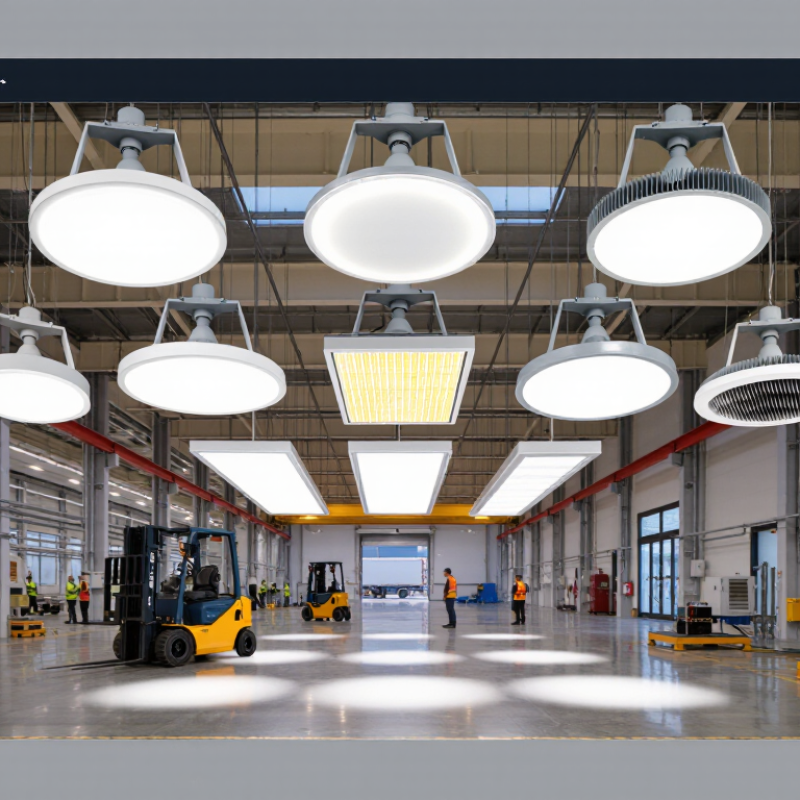
Tri-proof lights are sealed LED fixtures built to resist water, dust, and impact. They suit warehouses, food-processing areas, parking structures, workshops, and outdoor corridors. The term “tri-proof” usually refers to waterproof, dustproof, and corrosion-resistant performance. However, protection levels vary between suppliers. Buyers should verify test reports instead of trusting product labels alone.
Global buyers often choose China because its lighting supply chain is broad and flexible. Manufacturers can support different lengths, wattages, color temperatures, mounting methods, and emergency functions. Many factories also provide photometric files, samples, custom packaging, and production testing. This combination can reduce development time and improve purchasing efficiency. Quality is not automatic. It depends on component selection, sealing design, thermal management, and inspection discipline.
Tips:
Request IP and IK test evidence, not only catalog claims. Check the aluminum housing, gasket material, driver brand, beam angle, and lumen maintenance data. Ask for a sample under real conditions. A fixture that survives a showroom test may perform differently in a humid warehouse. Compare warranty terms, replacement procedures, and batch inspection records. The lowest price can become expensive later. Also, specifications may be misunderstood across languages, so confirm every detail in writing.
How to Evaluate China’s Top 10 Tri-Proof Light Manufacturers
Evaluating China’s top 10 tri-proof light manufacturers requires more than comparing online catalogs.
I examine factory experience, production capacity, and quality records. A reliable supplier should explain its testing process clearly. Ask for recent reports covering IP65 or IP66 protection, IK impact resistance, electrical safety, and thermal performance. Do not accept certificates without checking their scope and validity.
Request a sample before discussing large orders.
Inspect the housing joints, lens seal, terminal block, and cable entry. I also measure light output after several hours of operation. Heat near the driver can reveal weak design. Ask whether the claimed lumen output is measured initially or after aging. The difference matters. No checklist is perfect.
Strong manufacturers
provide traceable components, controlled assembly, and documented inspections. Review the LED supplier, driver specifications, surge protection, and color consistency. A practical warranty should define coverage, service procedures, and replacement responsibility. Factory videos help, but an independent audit offers stronger evidence.
During one evaluation, the sample passed visual checks but showed uneven sealing at one end. That small defect changed the purchasing decision.
Price still matters, yet unstable quality creates higher installation and maintenance costs. Request references from comparable projects, while recognizing that testimonials may not prove current performance.
China’s Top 10 Tri-Proof Light Manufacturers by Core Strengths
China’s Top 10 Tri-Proof Light Manufacturers by Core Strengths
China’s top ten tri-proof light manufacturers stand out through different technical strengths. Some focus on high-efficiency LED modules and stable lumen output. Others specialize in IP65 or IP66 housings for workshops, parking areas, and humid production spaces. Several manufacturers provide strong aluminum extrusion, improved thermal control, and impact-resistant covers. These details matter when lights operate for twelve hours daily.
Customization is another important advantage. Experienced factories can adjust length, color temperature, beam angle, wiring, sensors, and emergency functions. Strong testing systems should include water resistance, temperature cycling, aging tests, and electrical safety checks. Reliable suppliers also share test reports, installation drawings, sample feedback, and realistic delivery schedules.
In practice, the cheapest offer is not always the most economical. I have seen small housing defects create expensive replacement work.
Tips:
Request a working sample before bulk production. Check sealing joints, diffuser strength, connector quality, and actual power consumption. Ask how failures are recorded and handled.
A factory may claim excellent quality, but clear evidence matters more than polished language. Also review packaging carefully, especially for long fixtures. Even good products can arrive damaged when internal protection is weak.
Tri-proof lighting is not only about brightness. It is about steady performance in imperfect environments.
Which Certifications and Standards Matter for International Buyers?
China Top 10 Tri Proof Lights Manufacturers for Global Buyers
Which Certifications and Standards Matter for International Buyers?
For international buyers, certification should match the installation country, not just the supplier’s sales region. CE marking commonly supports access to the European Economic Area, while UKCA may apply in Great Britain. North American projects often require UL, ETL, or cUL approval. These marks relate to different testing systems, so they are not interchangeable.
Look for compliance with IEC or EN 60598 requirements for luminaires, plus EMC testing for electromagnetic interference. RoHS documentation confirms restricted substances are controlled. IP65 or IP66 ratings indicate protection against dust and water, while IK ratings show impact resistance. Check the test conditions carefully. IP66 does not prove chemical resistance.
Practical verification matters more than a logo on a brochure.
Request the certificate number, issuing laboratory, product model, test date, and factory address. Compare these details with the actual housing, driver, cable gland, and LED module. A certificate alone is not proof of every batch. I have seen documents covering an older model. Ask for recent test reports, photometric files, wiring diagrams, and traceability records. ISO 9001 can support quality management, but it does not certify product safety. Sample testing before shipment is wise, although it adds time and cost. That small delay may expose overheating, weak seals, or unstable drivers before installation.


 Email
Email Whatsapp
 WeChat