Top Led Light Fixtures for Efficient Lighting Solutions?
When looking for energy-efficient lighting solutions, the choice of LED light fixtures is paramount. These fixtures offer a unique blend of functionality and sustainability. They provide bright, long-lasting illumination while consuming less energy. The modern design of LED light fixtures allows them to seamlessly integrate into various environments.
Selecting the right LED light fixture can be overwhelming. With numerous options available, each featuring different styles and specifications, it's crucial to assess your unique needs. Whether you're aiming to enhance a workspace or create ambiance at home, the right fixture can make a considerable difference.
However, it’s important to reflect on common misconceptions. Not every LED light fixture is created equal. Some products may underdeliver on brightness or efficiency. Thus, taking time to research and read reviews can save frustration later. This journey towards illumination can lead to finding the perfect solution tailored to your needs.
Overview of LED Light Fixtures and Their Benefits
LED light fixtures have revolutionized the way we illuminate our spaces.
These fixtures offer energy-efficient solutions that can significantly reduce electricity bills.
They also have a longer lifespan compared to traditional lighting, providing up to 25,000 hours of brightness.
This means less frequent replacements and lower maintenance costs.
When considering LED options, think about the brightness needed for your space.
For instance, kitchens and work areas often require brighter light.
In contrast, warm dim lighting may be more suitable for living rooms.
Color temperature is another factor to remember. A cooler tone can enhance focus, while warmer tones create a cozy atmosphere.
Tips: Always opt for fixtures with a high Color Rendering Index (CRI).
This ensures that colors appear vibrant and true to life. Additionally, consider adjustable fixtures that allow you to change light intensity based on time of day.
Investing in quality LED products can lead to better light quality and efficiency. Be cautious, as cheaper options might not deliver the desired performance.
Types of LED Light Fixtures for Various Applications
LED light fixtures come in various types, each suited for specific applications. For instance, recessed lights are popular in residential spaces. They provide a clean look and save space. According to the U.S. Department of Energy, LED recessed fixtures can save up to 70% more energy compared to incandescent lights. This efficiency leads to lower electricity bills and a reduced carbon footprint.
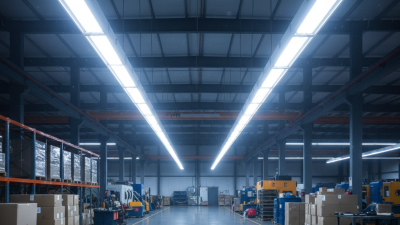
In commercial settings, high-bay LED fixtures are vital for warehouses and large retail spaces. They can illuminate vast areas effectively. A report by the International Energy Agency highlights that high-bay LEDs can last over 50,000 hours, minimizing maintenance costs. This extended lifespan advantages businesses, but initial investments can be daunting.
Outdoor lighting plays a crucial role in security and aesthetics. LED floodlights, for example, are known for their brightness and durability. They often include smart technology features for enhanced control. However, selecting the right type can be challenging. Some properties may not need intense lighting, leading to over-illumination and light pollution. Therefore, careful evaluation of needs is crucial.
Overall, the performance of various LED fixtures addresses specific lighting challenges while promoting sustainability, but decisions should be backed by thorough research and consideration of unique requirements.
Top LED Light Fixtures for Efficient Lighting Solutions
This chart shows the lumens output of various types of LED light fixtures, indicating their efficiency in providing bright light for different applications.
Key Features to Consider When Choosing LED Light Fixtures
When selecting LED light fixtures, several key features demand attention. Lumens output is crucial. Higher lumens equal brighter light. For instance, studies indicate that a typical household needs around 800 lumens per room for effective lighting. Color temperature is another vital factor. It affects mood and perception. Options range from warm (2700K) to daylights (5000K). Understanding this contributes to a comfortable ambiance.
Energy efficiency remains a top concern. LED fixtures consume significantly less power than traditional lighting. According to the U.S. Department of Energy, LEDs use at least 75% less energy. This translates into savings on electricity bills. Additionally, consider the lifespan of the fixtures. Quality LED lights often last over 25,000 hours, reducing replacement frequency.
Tips: Choose fixtures that offer adjustability. This allows you to tailor light levels according to activities. Also, explore dimmable options for flexibility. Always verify certifications for reliability and safety. Some fixtures may not meet industry standards, leading to potential issues. Keep an eye on the warranty; it reflects the manufacturer's confidence in their product.
Top Led Light Fixtures for Efficient Lighting Solutions
| Fixture Type |
Lumens Output |
Wattage |
Color Temperature (K) |
Beam Angle (Degrees) |
Lifespan (Hours) |
Dimming Capability |
| Panel Light |
4000 |
40W |
4000K |
120 |
50000 |
Yes |
| Recessed Light |
700 |
12W |
3000K |
90 |
40000 |
No |
| Flood Light |
10000 |
100W |
5000K |
120 |
30000 |
Yes |
| Pendant Light |
800 |
15W |
3500K |
60 |
25000 |
Yes |
Top Brands and Models of LED Light Fixtures in the Market
In the ever-evolving world of LED lighting, selecting the right fixtures can be daunting. Top brands produce a range of models to cater to various needs. Energy efficiency is often a top priority. Many fixtures also offer a long lifespan, reducing the need for frequent replacements. This is a significant factor for both residential and commercial users.
Popular choices include panel lights and recessed fixtures, which blend seamlessly into ceilings. These styles provide even illumination and are perfect for offices or living rooms. Additionally, track lighting has gained popularity for its versatility. It allows users to direct light exactly where needed. However, finding the right model can require patience and research.
Some fixtures may not perform as expected. Real-life experiences show variability in brightness and color temperature. This inconsistency can impact the ambiance of a space. It's essential to read reviews and consider user experiences when making a choice. Careful planning and consultation with experts can also help. Choosing fixtures should be a thoughtful process, reflecting both personal style and functionality.
Energy Efficiency and Cost Savings of LED Lighting Solutions
LED lighting has revolutionized how we think about energy efficiency. These fixtures use significantly less energy compared to traditional lighting options. This shift can lead to noticeable cost savings on electricity bills. In residential and commercial spaces, LED lights can reduce energy consumption by up to 80%. This is not just a theory; many have experienced these benefits firsthand.
In addition to energy savings, LED lights also have a longer lifespan. While traditional bulbs may last around 1,000 hours, LEDs can shine for 25,000 hours or more. This longevity means fewer replacements and less waste. However, the initial cost of LED fixtures can be higher. Many consumers hesitate, unsure if the savings will offset the upfront investment. Yet, in the long run, the reduced energy costs often outweigh this initial expense.
Moreover, LEDs are more versatile in application. They come in various styles and brightness levels, making them suitable for any environment. While the market may seem overwhelming, understanding the basics can aid better decision-making. Many users have expressed a need for guidance on choosing the right type for their needs. Misinformation can be prevalent, leading to poor choices. It's essential to do proper research and consult experts in lighting solutions.



 Email
Email Whatsapp
 WeChat