

A Lighting Fixture is more than a bulb with a shade. It is a complete device that holds, protects, and directs a light source, while shaping how a room feels and functions. Lighting designer Ingo Maurer once said, “I am not interested in making light, I am interested in making light visible.” That idea helps explain why fixture choice matters. A soft pendant above a dining table can make dinner feel intimate; a recessed downlight can brighten a hallway without occupying visual space. Small details matter.
Fixtures come in many forms. Chandeliers and pendants hang from ceilings, while flush mounts sit close to them. Wall sconces add light at eye level. Table and floor lamps provide flexible, localized illumination. Track and recessed fixtures can serve kitchens, galleries, or work areas, depending on their placement and beam direction. Each type has practical trade-offs. A dramatic pendant may look striking, yet cast shadows across a work surface. A recessed fixture may feel discreet, but can create glare when poorly positioned.
This guide introduces common Lighting Fixture types, their typical uses, and the details worth checking before choosing one. These include brightness, color temperature, dimming compatibility, mounting needs, and maintenance access. A fixture should suit both the room and the people using it. There is no single best answer. Even careful plans can miss something; a bulb that seems warm in a shop may look different at home. That is worth considering before installation.
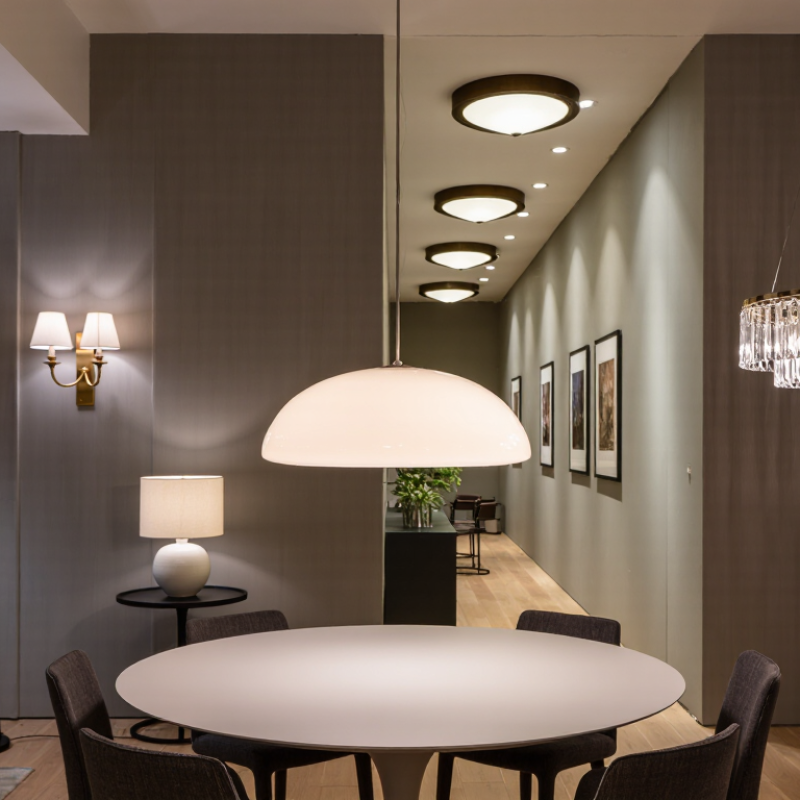
A lighting fixture is the assembled unit that holds, powers, and directs a light source. It commonly includes a housing, mounting parts, electrical connections, and components that shape or soften the beam. Some fixtures also contain a driver, dimmer, or sensor. The bulb alone is not the whole fixture. A recessed ceiling light, for example, combines a trim, housing, and light source to send illumination onto a kitchen counter. Details matter: glare, shadows, and color appearance can change how a room feels and functions.
The fixture’s purpose is to deliver useful light where people need it, while supporting visibility, comfort, and safe movement. A desk fixture should light a page without shining directly into the reader’s eyes; a hallway fixture should make steps and edges easy to see. The International Energy Agency reports that lighting uses about 15% of global electricity. That puts fixture design in a practical context: optics, controls, and efficient light sources can affect both energy use and everyday comfort. The figure describes lighting overall, not one fixture type. A fixture can still be poorly placed. That part is easy to overlook.
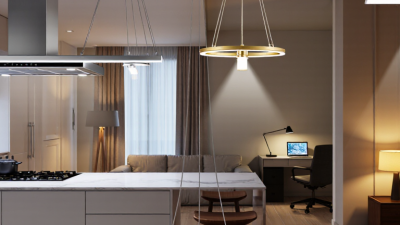
A lighting fixture is more than a bulb and a decorative cover. Its housing holds the light source, supports the assembly, and helps direct light into a room. Many fixtures also include a mounting bracket, a canopy that hides the ceiling connection, and a shade or diffuser. Not every design uses the same parts. Simple, but not always simple to install.
When a wall switch closes the circuit, electricity reaches the fixture’s lamp or LED module. In an LED fixture, a driver regulates the incoming power so the LEDs receive a suitable current. The light source then produces visible light, while the shade or reflector spreads or redirects it. A frosted diffuser can soften harsh points of light; an open shade may create sharper shadows on a table or wall. Heat also needs somewhere to go. Metal housings often help dissipate it, though the exact design varies.
Each component affects how the fixture works in daily use. A loose mounting bracket can let a ceiling light wobble, while a poorly matched dimmer may cause some LEDs to flicker. These details are easy to miss in a product diagram. Fixed wiring and secure mounting matter, so installation should follow the fixture instructions and local requirements. If wiring is unfamiliar, a qualified electrician is the safer choice. A fixture can look sturdy and still have a connection that needs checking.
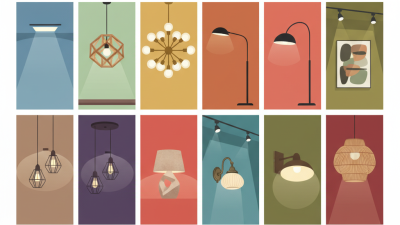
Lighting fixtures are commonly classified by where they are installed, how they direct light, and what task they serve. These categories often overlap. A ceiling-mounted fixture may provide general illumination, while a wall sconce can soften a hallway or draw attention to artwork. Floor and table lamps add light without requiring a ceiling installation.
Another useful classification is by light distribution. Ambient fixtures, such as flush-mount ceiling lights, brighten a room broadly. Task fixtures focus light on specific activities: an adjustable desk lamp can illuminate a notebook while leaving the rest of the room dimmer. Accent fixtures, including track heads or picture lights, emphasize details. Beam direction matters. A narrow beam creates a defined pool of light, while a wider beam spreads illumination across a larger surface.
Fixture selection also depends on room conditions and installation needs. Check the ceiling height, the fixture’s dimensions, and whether its location may be exposed to moisture. In a kitchen, for example, layered lighting can combine ceiling illumination with focused light over a counter. Still, classifications are guides, not rigid rules; a pendant can serve both decorative and task purposes. I’ve found that judging light from a product description alone can be misleading, so consider how it will look at the actual mounting height.
Lighting fixtures are commonly classified by how they are mounted, how they distribute light, and their intended use. This chart compares approximate luminous efficacy ranges for light sources commonly used in fixtures. Actual performance varies with the lamp, fixture optics, and driver.
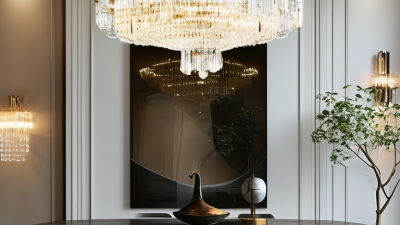
Common lighting fixtures serve different purposes, and their placement matters as much as their appearance. Pendant lights hang from the ceiling, often above a kitchen island or dining table. Their shades can direct light downward, but a low pendant may obstruct sightlines. Chandeliers spread light across a room and can act as a visual centerpiece. Flush-mount fixtures sit close to the ceiling, making them useful in hallways or rooms with limited headroom. They are practical. Semi-flush mounts hang slightly lower and often create softer ceiling shadows.
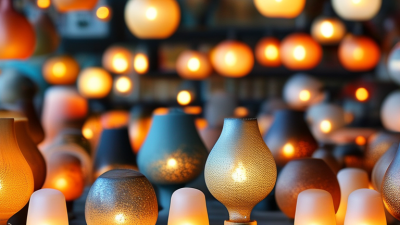
Recessed lights are installed inside the ceiling, giving rooms a clean, unobtrusive look. Their beams can feel harsh if too few fixtures serve a large area, so spacing and beam direction deserve careful planning. Track lighting uses adjustable heads on a ceiling-mounted rail; aim them at artwork, counters, or work areas. Wall sconces provide localized light beside a mirror, bed, or corridor. Table and floor lamps add flexible light without electrical work inside the walls. One lamp may brighten a reading chair, though it rarely replaces balanced room lighting. Fixture choice also depends on bulb compatibility, ceiling structure, and how people use the space. A beautiful fitting can still disappoint when it creates glare.
| Fixture Type | How It Is Installed | Typical Light Distribution | Common Applications | Key Consideration |
|---|---|---|---|---|
| Recessed Light | Installed into a ceiling cavity, with the trim generally level with the ceiling. | Downward light; beam spread depends on the trim, reflector, and lamp or LED module. | General lighting in kitchens, hallways, bathrooms, and living areas. | Requires suitable ceiling space and attention to insulation, heat, and damp-location ratings. |
| Surface-Mounted Ceiling Light | Attached directly to the ceiling surface. | Usually spreads light downward or outward through a shade or diffuser. | Rooms where a ceiling cavity is unavailable or limited. | Check the fixture’s dimensions and clearance, especially in rooms with low ceilings. |
| Pendant Light | Suspended from the ceiling by a cord, chain, or rod. | Can direct light downward, upward, or in multiple directions, depending on its design. | Kitchen islands, dining tables, entryways, and other focal areas. | Choose a suitable hanging height and allow adequate headroom and clearance. |
| Chandelier | Suspended from a ceiling outlet, often with multiple arms or light sources. | Typically provides broad ambient light, sometimes combined with downward or decorative light. | Dining rooms, living rooms, foyers, and other prominent spaces. | Match the fixture’s scale and hanging height to the room and furniture. |
| Track Light | Mounted on a ceiling track that carries adjustable light heads. | Directional beams that can be aimed at different areas or objects. | Galleries, kitchens, work areas, and spaces where lighting needs may change. | Position and aim the heads to limit glare and unwanted shadows. |
| Wall Sconce | Fixed to a wall, usually connected to a wall electrical box. | May cast light upward, downward, outward, or in both directions. | Hallways, bedrooms, bathrooms, stairways, and accent lighting. | Placement affects both visual comfort and the amount of light reaching the space. |
| Linear Light | Mounted on a ceiling, suspended, or installed under a cabinet, depending on the model. | Elongated light distribution along a counter, work surface, or room area. | Offices, kitchens, workshops, and other task-lighting locations. | Consider the fixture’s length, glare control, and whether its output suits the task. |
| Portable Table or Floor Lamp | Placed on a surface or floor and plugged into an electrical outlet. | Local light for reading or tasks, or softer ambient light, depending on the shade and position. | Bedrooms, living rooms, reading areas, and spaces needing flexible lighting. | Place it near the activity it serves and route the power cord safely. |
A lighting fixture holds and protects the light source while directing light into a room. Its shape, mounting position, and optics affect brightness, glare, and shadows. Small choices matter.
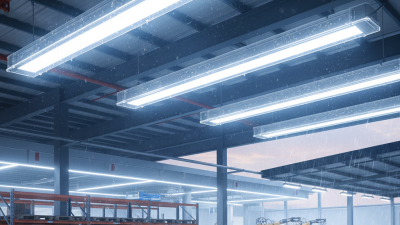
Recessed downlights sit flush with ceilings and suit kitchens, hallways, and low-ceiling rooms. Track fixtures aim adjustable heads at artwork or work surfaces, though exposed beams can feel harsh without careful aiming. Pendants bring light closer to dining tables or counters; choose a shade that limits direct glare. Wall sconces add softer, indirect light in corridors and bedrooms. For offices, recessed troffers spread light across desks, while high-bay fixtures serve warehouses with tall ceilings. Task lamps offer focused light for reading or detailed bench work. The beam matters.
Fixture selection should match the task and setting. Check lumen output, color temperature, dimming compatibility, and damp- or wet-location ratings. The U.S. Department of Energy’s Energy Saver guidance reports that LED bulbs use at least 75% less energy and last up to 25 times longer than incandescent bulbs. Those savings depend on choosing a compatible LED fixture or lamp and suitable controls. A photometric layout can reveal dark patches, but real rooms often contain reflective surfaces and awkward shadows. Measure, test, and adjust.