Leave Your Message

What Are the Top Types of LED Light Fixtures?

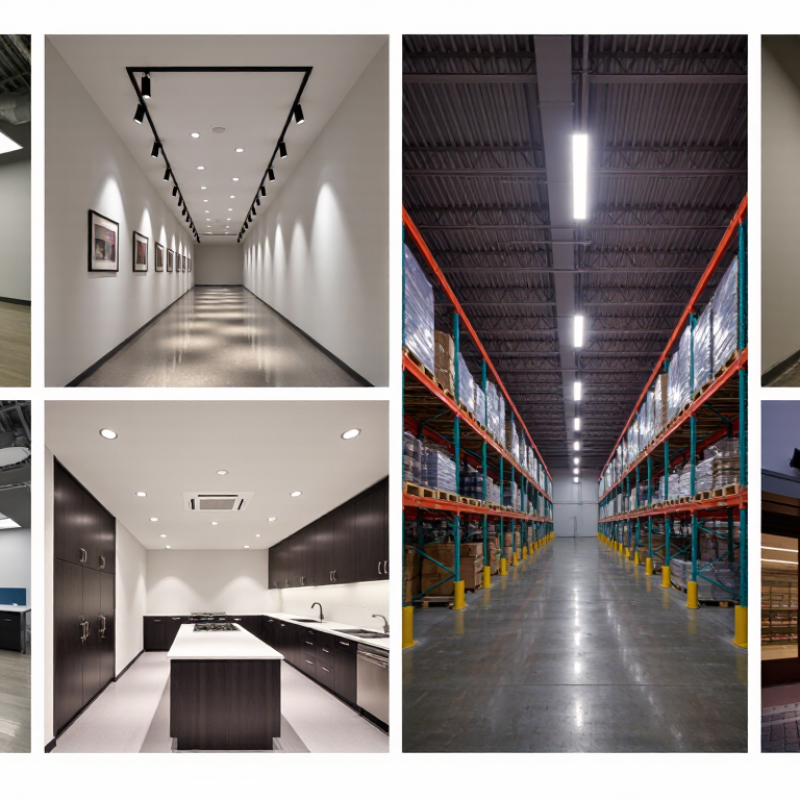
Choosing the right Led Light Fixture starts with the space, not the product label. A quiet kitchen, a long warehouse aisle, and a covered entrance each need different light distribution. The main options include recessed downlights, flat panels, troffers, track lights, high-bay fixtures, strip lights, and outdoor floodlights. Each shape solves a different practical problem. Some spread light evenly across a ceiling. Others aim a brighter beam at a workbench or loading area.

The numbers matter. The U.S. Department of Energy’s Energy Saver guidance says residential LEDs use at least 75% less energy and can last up to 25 times longer than incandescent lighting. That is useful context, but it does not mean every fixture suits every room. Glare, color temperature, dimming compatibility, mounting height, and moisture exposure still deserve attention. The International Energy Agency’s energy-efficiency reporting also identifies efficient lighting as an important part of reducing electricity demand. Small choices add up.

Human needs matter, too. Dr. Mariana Figueiro, a lighting and health researcher, has described light as “the most important synchronizer of the circadian system.” That principle is a reminder to consider when and how a space is used, not just brightness. A cool, intense fixture may work over a daytime work surface, yet feel harsh in a small lounge at night. This guide compares the top fixture types by application, strengths, and trade-offs. Some categories overlap. That can make selection less tidy than product charts suggest. Check the fixture’s specification sheet and test the light in the actual space whenever possible.
What Are the Top Types of LED Light Fixtures?

Classify LED Fixtures by Mounting Style, Optics, and Application

LED fixtures are easier to compare when grouped by mounting style, optics, and application.

Mounting affects ceiling appearance, access, and maintenance. Recessed fixtures sit within the ceiling for a low-profile look, but require enough ceiling space. Surface-mounted panels work where ceiling depth is limited. Suspended high-bays hang above tall work areas. Small details matter.

Optics determine where light lands.

A narrow beam can highlight a display or reach high racks; a wide distribution covers open floors. Diffusers soften visible light points, though they may reduce peak intensity. Check mounting height, spacing, and glare from normal viewing angles, not just the lumen figure.

Application changes what matters most.

Offices often need even, low-glare light. Warehouses may need visibility on rack labels and aisle floors; workshops benefit from focused bench lighting. Match the fixture’s rating to moisture, dust, and temperature conditions, and consult its photometric data and installation instructions. Paper specifications can mislead. A sample installed at the intended height may reveal harsh shadows or glare that calculations miss.
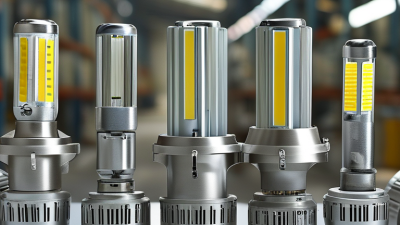
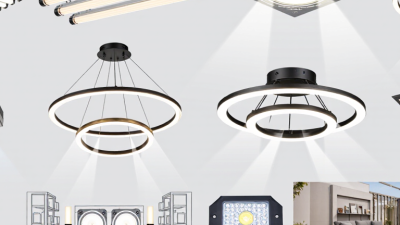
Recessed Downlights and 2×2- or 2×4-Ft LED Panels for Interior Ceilings

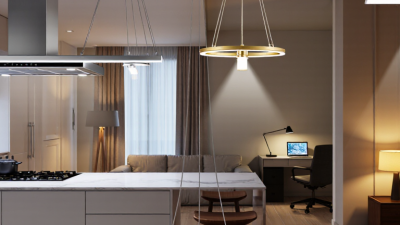
Recessed downlights and LED panels suit different interior ceilings, even though both provide broad, efficient illumination. Downlights sit inside the ceiling, leaving a clean surface and directing light onto counters, desks, or walkways. Their narrower beams can create bright pools and darker gaps if fixtures are spaced too far apart. In a kitchen, check beam spread and position lights to reduce shadows from upper cabinets. Dimming can help a room shift from task lighting to a calmer evening setting. Small details matter.

2×2- and 2×4-foot LED panels often fit suspended ceiling grids and spread light evenly across offices, classrooms, and utility rooms. A 2×2-foot panel suits a matching grid bay; a 2×4-foot panel covers a longer opening and may reduce fixture count. Confirm ceiling dimensions, driver compatibility, and dimmer requirements before ordering, since grid sizes and electrical setups vary. Choose light output and color temperature for the task, rather than relying on wattage alone. Not always. A very bright panel can feel flat or harsh, especially in a small room with reflective walls. For either type, review the fixture’s photometric data and installation instructions; a qualified electrician can verify wiring and controls.

What Are the Top Types of LED Light Fixtures? — Recessed Downlights and 2×2- or 2×4-Ft LED Panels for Interior Ceilings

Fixture Type Common Format Typical Installation Light Distribution Common Applications Key Selection Considerations
Recessed LED downlight Round or square fixture; aperture and housing dimensions vary by model. Installed in a ceiling opening, using a compatible housing or a remodel-style mounting system. Some versions are designed for new construction. Focused downward light. Beam angle and distribution depend on the trim, reflector, lens, and fixture design. Living areas, corridors, kitchens, offices, and other spaces where discreet ceiling lighting is preferred. Check the ceiling opening, ceiling depth, insulation-contact rating where relevant, dimmer compatibility, and whether fixed or adjustable aiming is needed.
2×2-ft LED panel Nominal 2×2-ft format for compatible suspended ceiling grids; actual panel dimensions may differ. Commonly installed as a lay-in fixture in a suspended grid. Compatible models may also use surface-mount or suspension kits. Broad, diffuse light across the panel face, typically suited to general ambient illumination. Offices, classrooms, clinics, and other interior spaces with 2×2-ft ceiling-grid bays. Confirm grid compatibility, actual fixture dimensions, lumen output, glare-control requirements, color temperature, and available mounting accessories.
2×4-ft LED panel Nominal 2×4-ft format for compatible suspended ceiling grids; actual panel dimensions may differ. Typically laid into a matching suspended ceiling grid; some products support surface mounting or suspension. Broad, diffuse illumination that distributes light over a larger ceiling area than a 2×2-ft panel. Open offices, classrooms, retail interiors, and other spaces with 2×4-ft ceiling-grid bays. Check the ceiling-grid layout, fixture dimensions, required light level, glare control, dimming controls, and mounting method.

Note: The formats and installation methods shown are common examples, not universal specifications. Verify product dimensions, electrical requirements, ceiling compatibility, and applicable local codes before installation.

High-Bay Fixtures for Mounting Heights Above 20 Ft: Output and Beam Optics

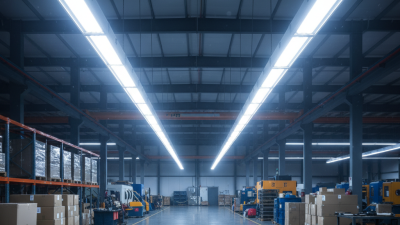
For mounting heights above 20 feet, high-bay LED fixtures must deliver more than impressive lumen numbers. The U.S. Department of Energy’s 2023 Solid-State Lighting R&D Opportunities report identifies over 200 lumens per watt as a future research target, not a guaranteed installed result. Real performance depends on optics, temperature, driver efficiency, and mounting conditions. A 30,000-lumen fixture may still produce dim aisles if its beam spreads too widely.

Beam angle deserves careful attention. Narrow distributions, often around 30–60 degrees, concentrate light on tall racks or production zones. Wider beams can reduce dark patches across open warehouse floors.

IES RP-7-20, Lighting Industrial Facilities, recommends selecting illuminance levels according to the visual task, not building size alone. Many industrial tasks fall near 30–50 footcandles, but storage aisles and inspection areas may require different targets. The layout decides.

On site, spacing matters as much as output. I would review mounting height, aisle width, rack height, and surface reflectance before choosing wattage. Photometric files should be tested in lighting software, then checked with a calibrated meter after installation. That second check is often skipped. It should not be. The DesignLights Consortium’s SSL Technical Requirements also separate efficacy and quality criteria, reminding specifiers that efficiency alone cannot prove useful light. Glare, flicker, uniformity, and maintenance access still need attention. Sometimes, fewer powerful fixtures create harsher shadows. More fixtures may perform better, even with lower output per unit.

Street, Flood, and Area Lights: Compare Distribution Using IES BUG Ratings

What Are the Top Types of LED Light Fixtures?

Street, flood, and area lights distribute light differently, even when their lumen outputs look similar. The IES TM-15 standard describes this behavior through BUG ratings: Backlight, Uplight, and Glare. A streetlight may use a low-uplight, controlled distribution for roads and sidewalks. An area light often needs broader backlight for parking spaces. Floodlights can spread light widely, but poor glare control may disturb nearby homes.

BUG ratings are not brightness scores. They describe where light travels. The U.S. Department of Energy’s 2020 Solid-State Lighting forecast projected LED products could reach 86% of U.S. lighting installations by 2035. That growth increases the importance of accurate distribution, not only higher efficacy. The International Energy Agency reports that LED lighting can use up to 75% less electricity than incandescent lighting, but efficiency cannot repair a badly aimed fixture.

Mounting details change everything. A B2 rating may perform well beside a narrow street, yet fail near a property line. A floodlight with strong uplight can brighten tree branches instead of the pavement. Area lights also need careful spacing; excessive overlap creates bright patches and dark gaps. I still treat photometric files as evidence, not truth. Real walls, wet asphalt, and tree canopies often expose weaknesses that software misses. Check the BUG rating, IES file, mounting height, tilt, and actual site boundaries together.

Compare Fixture Efficacy (lm/W) and Light Output Using IES LM-79 Test Data

What Are the Top Types of LED Light Fixtures?

Fixture efficacy is more useful than marketing claims. IES LM-79 tests complete LED fixtures, not bare LED chips. The report records input watts, delivered lumens, color quality, and electrical performance. A 30-watt troffer producing 4,000 lumens delivers about 133 lm/W. A 40-watt high-bay producing 6,000 lumens reaches 150 lm/W. These figures help compare troffers, downlights, panel fixtures, high-bays, and outdoor luminaires fairly.

Fixture type changes the result. High-bays often deliver strong output for warehouses, while downlights prioritize beam control and visual comfort. The U.S. Department of Energy’s 2023 Solid-State Lighting R&D Opportunities report discusses 200 lm/W-class laboratory targets. That is not a guaranteed field rating. The DesignLights Consortium’s technical requirements also show that qualifying efficacy varies by product category. A higher lm/W figure can still produce glare, uneven light, or poor wall illumination. I have seen efficient fixtures fail because their light distribution did not fit the room.

Tips: Request the complete IES LM-79 report. Check lumens, watts, CCT, CRI, and test conditions. Compare delivered lumens, not LED package output. For example, two fixtures may both claim 140 lm/W, but one may lose more light through lenses and reflectors. Review the photometric file, mounting height, and spacing before selecting a fixture. Small details matter.